7 Tips to Choose the Best Surround Sound System for Living Room
Creating the perfect audio experience in your living room can elevate movie nights, gaming sessions, and music listening. With so many options on the market, choosing the best surround sound system for your living room can seem daunting. Here are seven simple yet effective tips to help you make the best choice.
1. Understanding Your Space
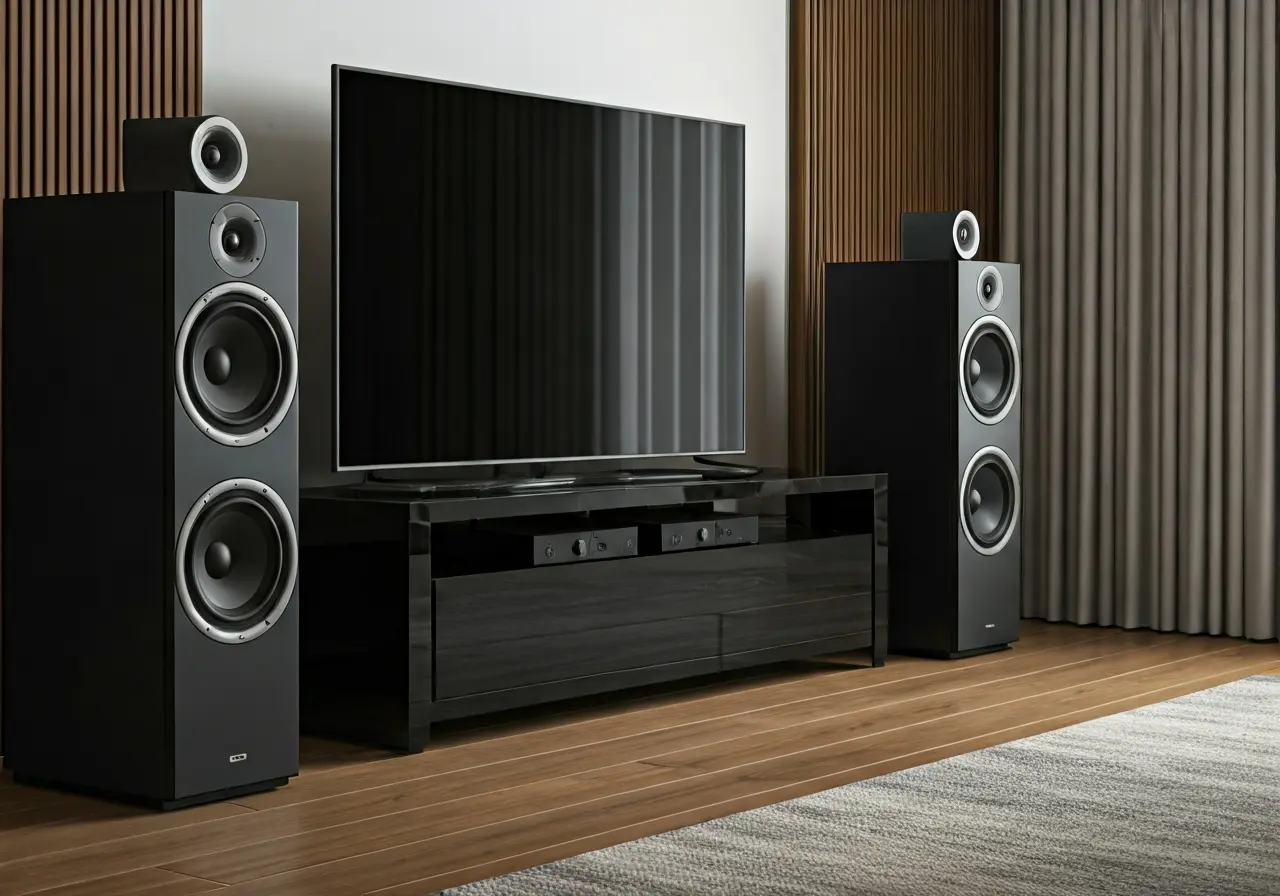
The first step in selecting the best surround sound system for your living room is understanding your space. Consider the size and layout of the room, as this will influence the type and number of speakers you need. Small spaces might benefit from compact soundbars with subwoofers, which provide quality sound without dominating the room. Meanwhile, larger spaces can accommodate more comprehensive systems like 5.1 or 7.1 setups, ensuring a more immersive audio experience.
It’s also essential to think about the materials in your living room. Hardwood floors, for instance, can cause sound to bounce, while carpets may dampen it. Understanding these dynamics can help you choose the right speaker placement to optimize acoustics. For apartments or shared spaces, you may also want to consider soundproofing solutions to contain the sound and ensure you’re not disturbing neighbors. This step is crucial in maximizing your enjoyment of high-quality audio without compromising on the environment.
2. Setting a Realistic Budget
Determine how much you’re willing to spend on your audio setup. A clear budget helps you narrow down options and ensures you get the best value for your money without overspending. When setting your budget, consider not just the upfront costs but also possible expenses like cables, mounts, or even professional installation, which can enhance the overall performance of your system.
3. Compatibility with Your Existing Devices
Ensure that the surround sound system you choose is compatible with your current TV, gaming console, or other media devices. This saves you from additional expenses or complex setups. Look for systems that support a variety of audio formats and have sufficient input options. For example, if you’re a fan of gaming, you’ll want a system that accommodates both audio and visual clarity to enhance that immersive experience.
4. Deciding Between Wired and Wireless Systems
Consider whether a wired or wireless system fits your lifestyle better. Wireless systems offer flexibility and a cleaner setup, while wired systems might provide a more stable connection. For families or spaces prone to movement and rearrangement, a wireless speaker system can be beneficial. However, if reliability is your key concern and you are unlikely to change your setup frequently, a wired system could be the right choice.
Aside from the obvious aesthetic differences, wireless systems often come at a premium. Explore brands and models that offer hybrid solutions, allowing for both connectivity options. This way, you have the freedom to adapt to changing needs without investing in a completely new system. Additionally, consider the technological compatibility of these systems with future devices, to keep your setup future-proof and adaptable.
5. Choosing the Right Speaker Configuration
The speaker configuration significantly affects sound quality. Options range from soundbars to full surround systems. Pick a configuration that suits your room’s acoustics and your personal preference. For instant, a standard 5.1 system includes five speakers and a subwoofer, creating a more enveloping sound experience compared to a simple stereo system.
Choosing the right configuration can be daunting, and understanding the intricate details between a 5.1, 7.1, or even 9.1 setup could impact your listening delight. Systems like the Dolby Atmos setups can add an extra layer of depth to sound through overhead speakers, making it seem as though sound is coming from every direction, including above. Evaluate your needs and room spec to choose what complements your listening preferences.
6. Evaluating Sound Quality
Listen to different systems to get a sense of their sound quality. Pay attention to clarity, bass response, and overall balance. Your ears will know what sounds best to you. Some retailers offer listening stations or demo rooms where you can experience various soundscapes. This test drive can be crucial when selecting your ideal surround sound ingredients.
When evaluating sound quality, consider what you predominantly seek in audio entertainment. If movies are your main use, the system’s ability to deliver clear dialogues and impactful bass might be your priority. For music lovers, a broader frequency range and intricate sound delivery can make or break the experience. It’s important to remember that sound quality can be subjective; what might sound sensational for gamers might not hit the mark for an audiophile focused on orchestral precision.
7. Considering Future Expandability
Think about whether you might want to expand your system in the future. Some systems offer the ability to add more speakers or components, enhancing flexibility. This future-proofing approach is wise if you foresee your audio needs evolving over time. Brands offering modular systems can make this an easy and cost-effective task.
Additionally, investing in speakers and systems that support expandability might save costs down the line, avoiding the need to replace entirely functional components. Check for compatibility with existing technologies such as smart home devices, ensuring your investment keeps pace with technological advancements while making your audio experience as seamless and exhilarating as possible.