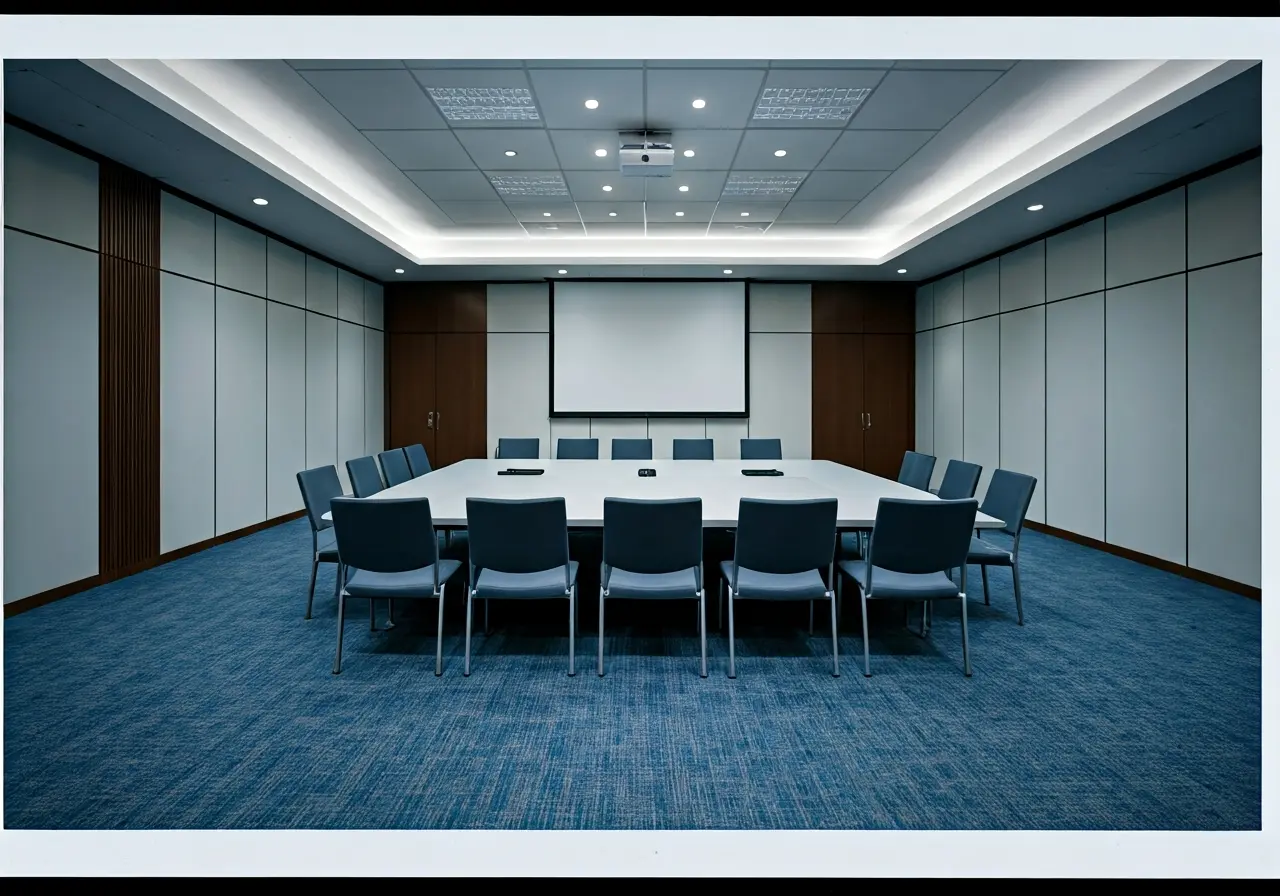
How Can Commercial AV Systems Help Save Energy?
In today’s world, finding ways to save energy is vital not only for reducing costs but also for protecting our environment. One surprising solution lies in commercial audio-visual (AV) systems. These systems are becoming increasingly energy efficient, providing businesses a chance to cut down on electricity consumption while still maintaining top-notch operations. Let’s dive into how commercial AV systems help save energy.
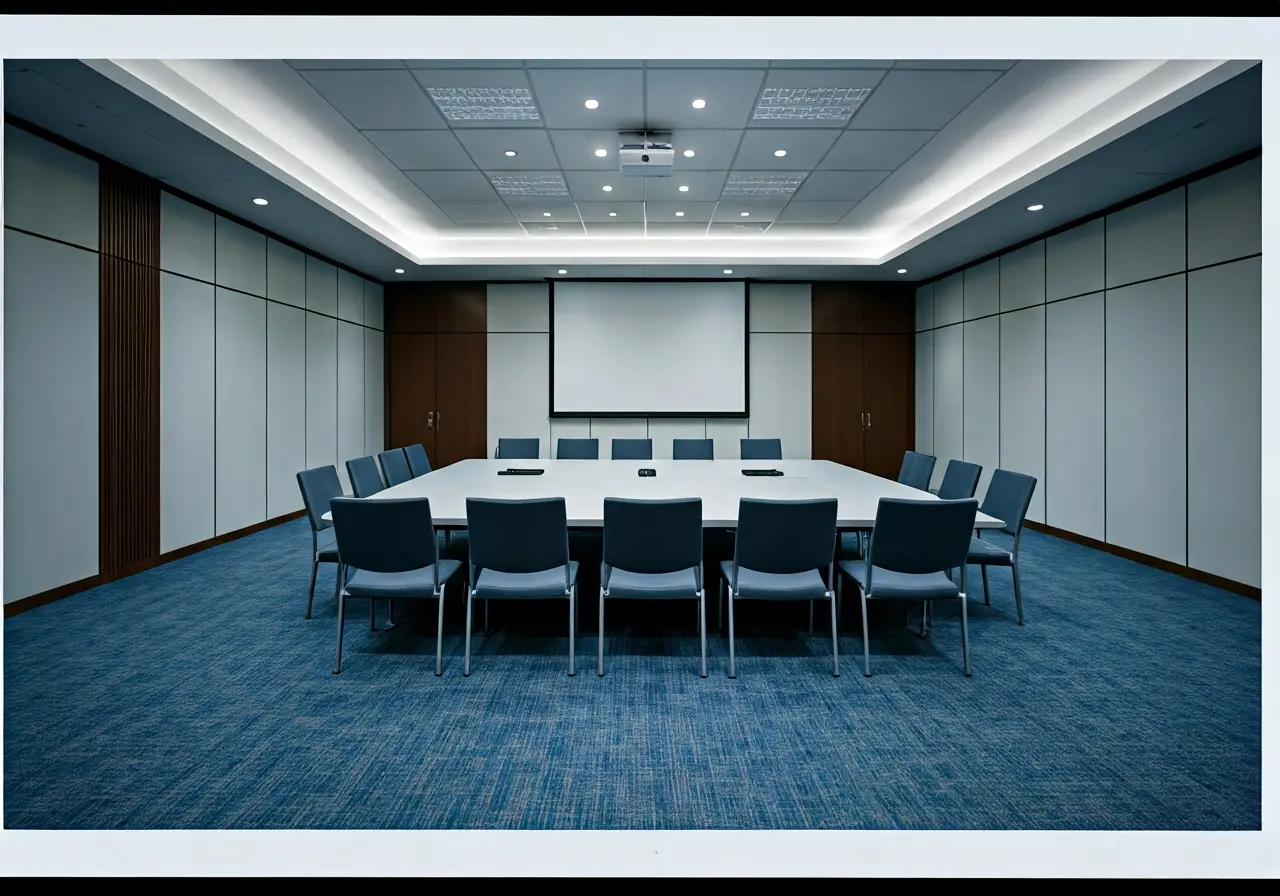
Understanding Energy Consumption in AV Systems
Before diving into solutions, it’s essential to understand how AV systems typically consume energy. This knowledge serves as a foundation for identifying areas where savings can be made.
AV systems consume energy in various ways, from powering large displays and speakers to maintaining constant connectivity. This often involves standby energy use, which means they consume power even when not actively used. Therefore, understanding your equipment’s energy profile is crucial in pinning down where inefficiencies lie.
Energy audits can be a great way for businesses to assess their current usage and identify potential improvements. These audits reveal energy-intensive equipment and provide insights into smarter energy management strategies.
Embracing Energy-Efficient AV Equipment
Modern AV equipment is designed with energy efficiency in mind. Using devices that automatically adjust power usage based on need can lead to significant savings. We’ll explore how choosing the right equipment makes a difference.
Energy-efficient AV systems often include eco-friendly features like automatic power-downs and energy-saving modes. These features are becoming standard in high-quality AV products, allowing them to save energy during downtime and reduce overall consumption.
Furthermore, the technological innovation in AV equipment has led to the development of units that require less power for operation without compromising performance. This ensures that businesses can maintain high-quality presentations while minimizing their environmental impact.
Implementing Smart AV Management Systems
Smart management systems allow businesses to control AV equipment remotely, ensuring devices are only active when in use. This section covers the benefits and features of smart AV management systems.
Installing these systems brings several advantages, including the ability to schedule automatic shutdowns during non-working hours and monitor energy use in real-time. This proactive management can significantly reduce wasted energy, leading to cost savings.
These management systems tap into advanced programming that adjusts the AV setup based on the particular needs of the day, streamlining energy use according to occupancy and activity levels.
Incorporating Sustainable Design Practices
Integrating AV systems with sustainable design practices can lead to a more energy-efficient setup. We’ll discuss how thoughtful placement and system integration can reduce energy consumption.
By intentionally designing AV setups to integrate with natural lighting, for example, businesses can decrease the need for artificial lighting, thereby reducing energy consumption. Such considerations extend beyond equipment, shaping the very environment in which they operate.
Incorporating passive cooling methods or situating equipment within spaces that naturally regulate temperature can alleviate dependency on air conditioning systems. This can be another impactful way to minimize energy expenditure.
Regular Maintenance and Upgrades
Regular maintenance and timely upgrades of AV systems ensure they run efficiently and do not consume unnecessary energy. Learn how to maintain your equipment for optimal performance.
Consistency in maintenance involves checking for outdated software and components that may no longer be optimized for energy efficiency. As energy standards improve, upgrading to the latest software versions can bring new energy-saving features to your existing systems.
Routine inspections should include cleaning filters and checking for wear-and-tear that may hinder performance. Simple upkeep tasks make a notable difference in energy efficiency.
The Benefits of Energy-Efficient AV Systems
Incorporating commercial AV systems with energy-saving features is a brilliant way to not only enhance operational efficiency but also contribute to an environmentally conscious business strategy. By understanding and implementing these key aspects, businesses can significantly lower their energy consumption, leading to substantial cost savings and a greener footprint.