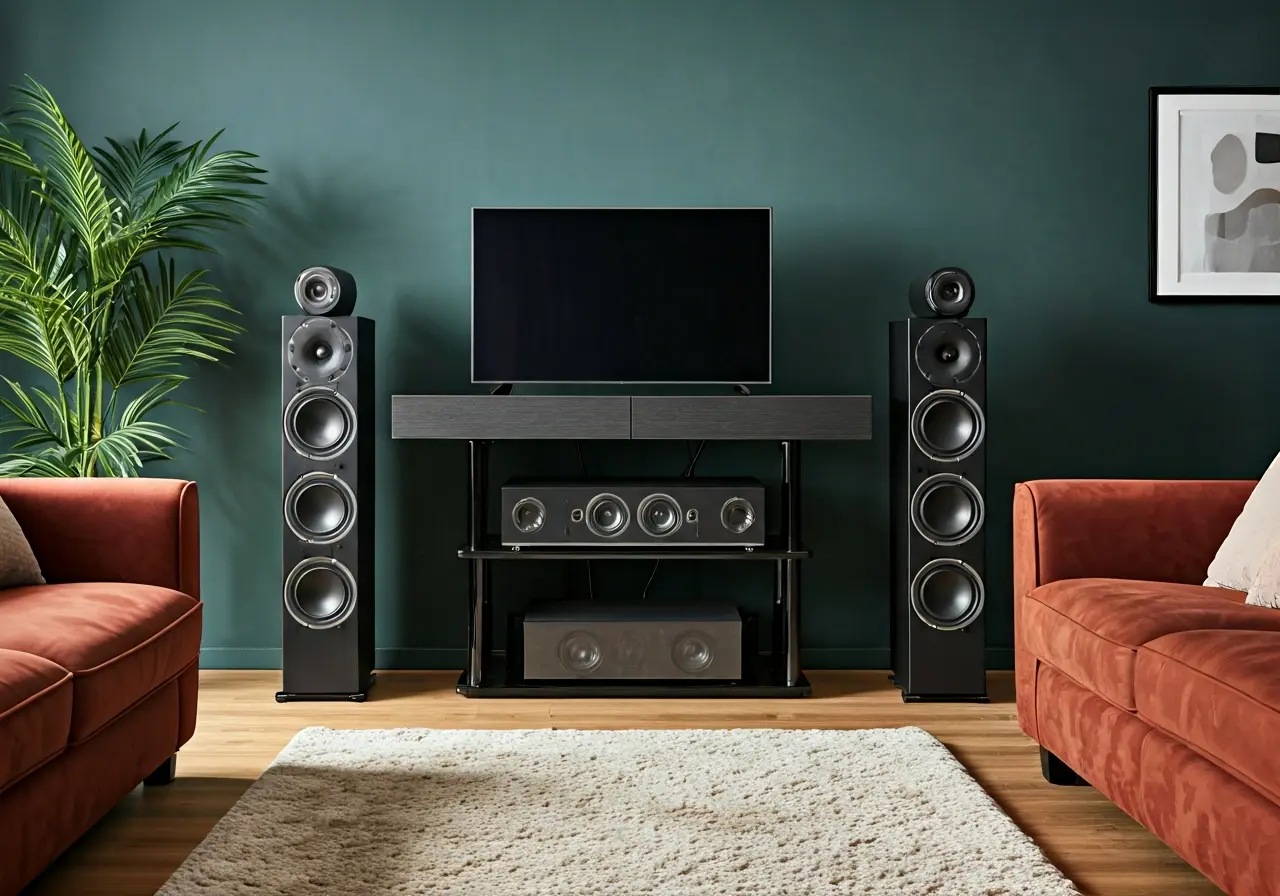
How Do I Optimize the Best Surround Sound System for My Living Room?
Optimizing your surround sound system can transform your living room into an immersive audio experience. Whether you’re a cinephile or a music lover, setting up your sound system just right will make your movies, shows, and tunes come to life. Let’s break down the steps to ensure you’re getting the best sound possible.
Assess Your Living Room Layout
Before setting up your system, evaluate your space to determine the best speaker positions. Consider furniture placement, room dimensions, and potential obstacles that could affect sound flow.
Understanding your room’s dimensions and shape is essential. A rectangular room simplifies speaker placement, while an open-concept space may require strategic adjustments. Pay special attention to reflective surfaces like glass or hardwood floors, as these can bounce sound and create unwanted echoes.
If your living room doubles as a space for other activities, think about movable speaker stands or wall mounts. This flexibility allows you to re-adjust speakers when rearranging furniture or hosting events, maintaining optimal sound distribution.
Select the Right Equipment
Choosing a compatible and high-quality surround sound system is crucial. The equipment should match your space size and the acoustics of your living room. Look for receivers, amplifiers, and speaker brands that are well-reviewed and suited to your needs.
Consider investing in a system that supports Dolby Atmos or DTS:X formats. These advanced audio technologies transform traditional surround sound by adding height channels, creating a more immersive, 3D listening experience.
Don’t overlook the importance of quality cables and connectors. While they might seem like minor components, they play a significant role in ensuring clear audio transmission. Opt for well-shielded cables to minimize interference and maintain sound integrity.
Position Your Speakers Correctly
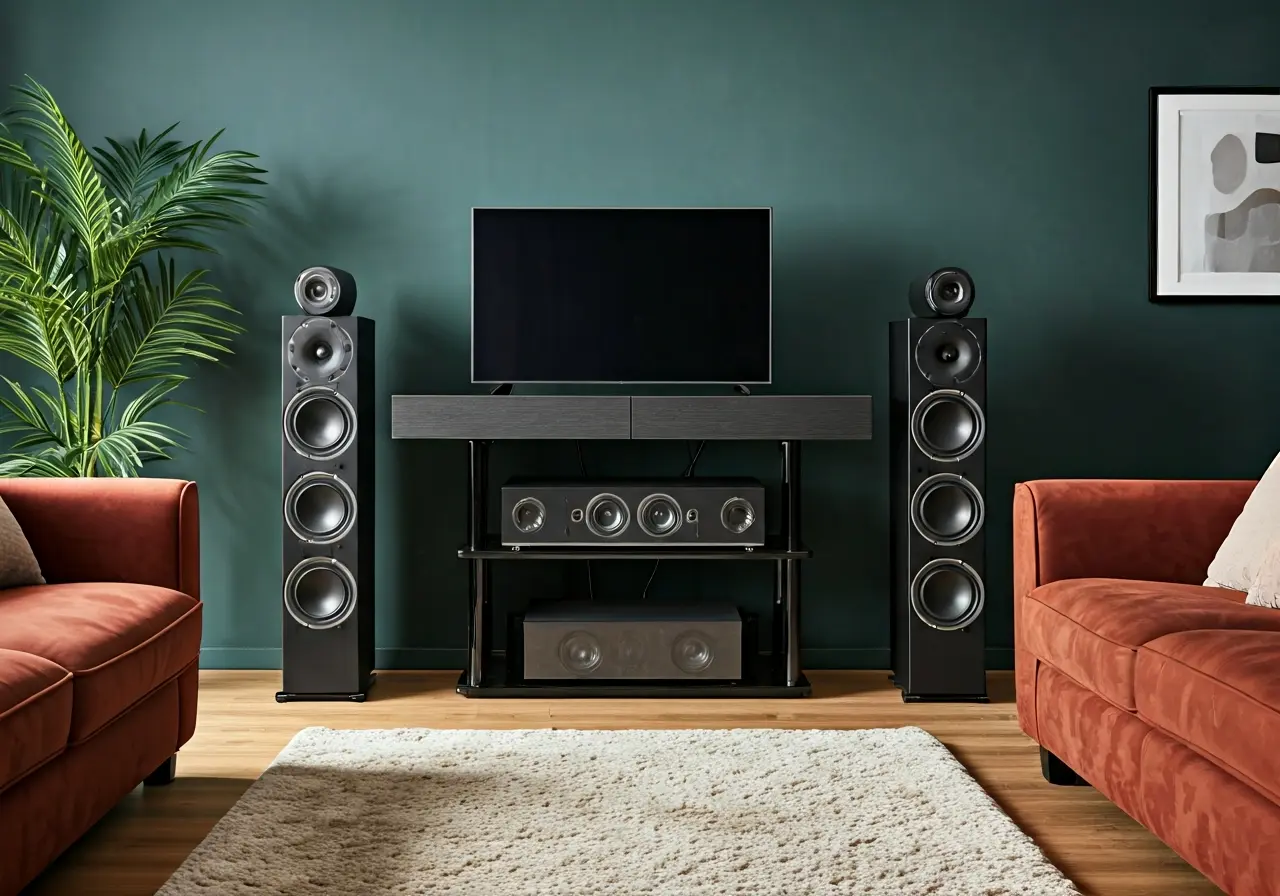
The placement of your speakers significantly impacts sound quality. Front speakers should align with ear level, while surround speakers work best at about shoulder height or slightly above. Avoid placing speakers too close to the walls for optimal performance.
A common mistake is placing the center speaker off-center. Ensure it is directly aligned with your seating area to deliver dialogue clearly. Likewise, consider the angle of your surround speakers relative to your seating position for enveloping sound.
Subwoofer placement can dramatically influence your system’s bass performance. Experiment with different locations. Some find that placing the subwoofer in a corner amplifies bass, while others prefer it near the center for smoother integration with other speakers.
Calibrate Your System
Use your receiver’s calibration tools to adjust sound levels and distances. Many systems include a microphone and automated calibration software to optimize each speaker’s performance. Don’t hesitate to manually tweak settings to personalize your audio experience.
Automated calibration software, like Audyssey or YPAO, simplifies this process by analyzing your room’s acoustics and adjusting sound output accordingly. However, always listen and adjust settings post-calibration to suit your personal preference.
After calibration, use a sound meter app to verify that each speaker outputs sound at the correct volume from your primary seating location. This additional verification step ensures you’re not relying solely on automated adjustments.
Fine-tune for Personal Preference
Sound is personal. After standard calibration, adjust bass, treble, and balance settings to match your tastes. Test with various content types to ensure consistent performance across different media.
Consider creating audio presets for different types of content. For example, increase the bass during action movies or enhance dialogue clarity while watching dramas. Having tailored settings improves your overall viewing experience.
Maintain Your System Regularly
Regular maintenance ensures your system remains in top condition. Dust equipment, check wire connections frequently, and update firmware or software as needed to keep performance optimized.
Preventative measures, such as using surge protectors, can save your system from power spikes or outages. This simple step extends the lifespan of your equipment, ensuring longevity and consistent performance.
Wrapping Up Your Surround Sound Setup
Optimizing your surround sound system involves careful planning, strategic placement, and fine-tuning to match your preferences. By following these steps, you can create a living room audio setup that truly enhances your entertainment experience. Enjoy the journey of acoustic perfection!