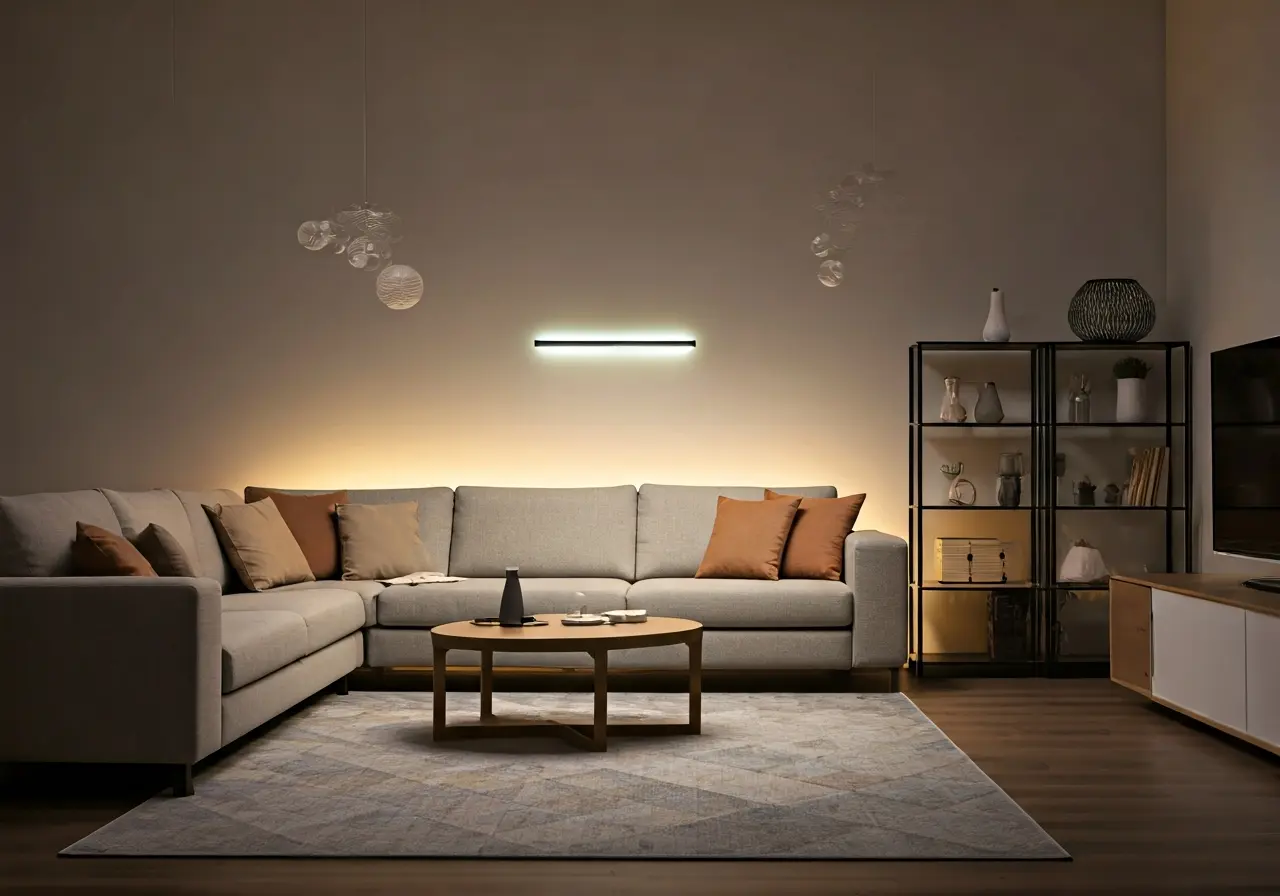
Bringing Convenience Home with Automated Lighting Solutions
In today’s fast-paced world, convenience is king. Automated lighting solutions are stepping in as a game-changer, transforming our living spaces into efficient, customizable environments. Join us as we explore how these smart lighting technologies can enhance your home life with ease and style.
The Basics of Automated Lighting
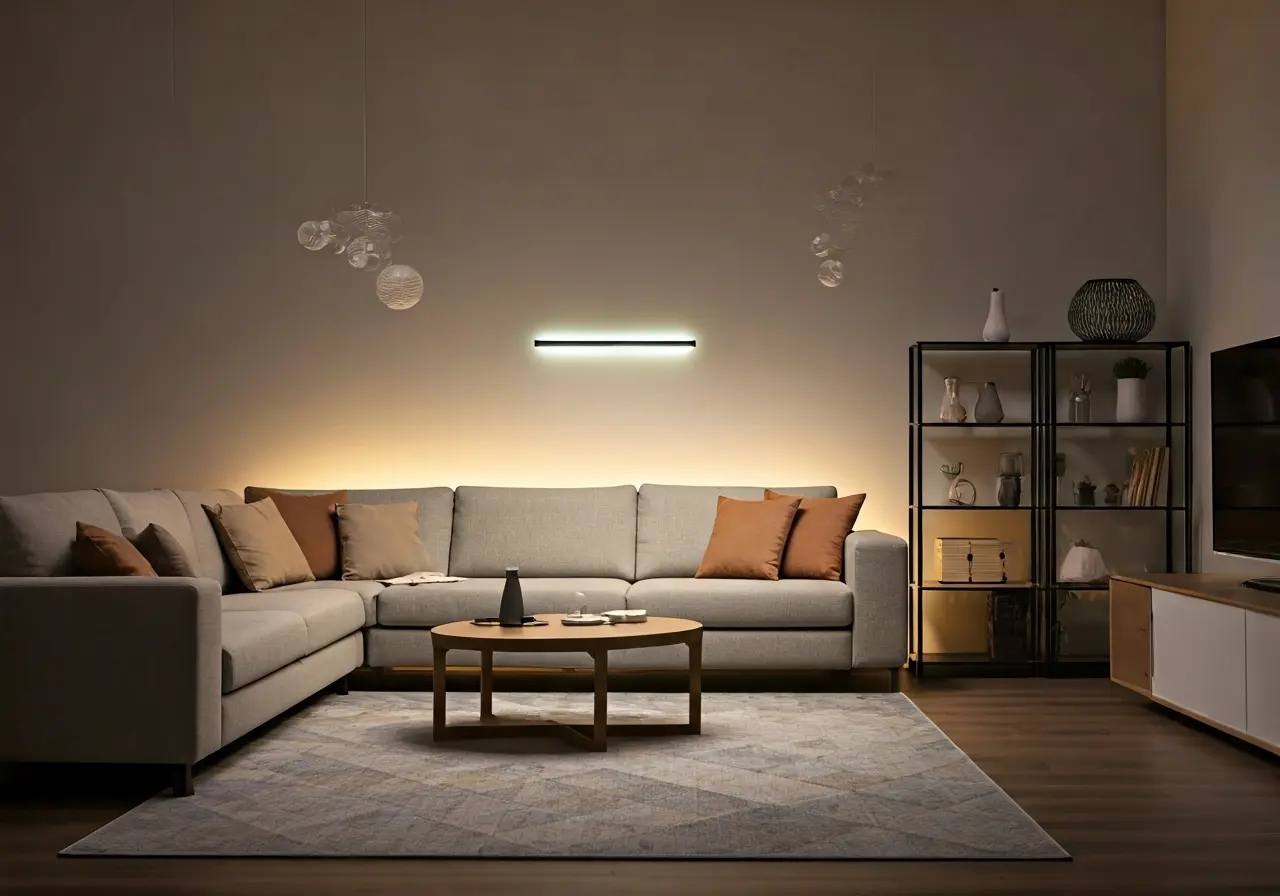
Automated lighting refers to smart lighting solutions that can be controlled remotely through apps, voice commands, or sensors. These systems offer convenience by allowing users to customize light settings according to their preferences or daily routines. Imagine walking into your home and having the lights adjust to your preferred brightness without lifting a finger. This is made possible by integrating intelligent systems that can learn and adapt to your habits. With a simple interface, these systems can connect to various smart home devices, creating a cohesive and user-friendly environment.
Understanding automated lighting requires a peek into the technologies behind it. Most systems rely on wireless networks like Wi-Fi, Bluetooth, or Zigbee to communicate with devices. They work harmoniously with virtual assistants like Amazon Alexa or Google Assistant, enabling voice control. This interconnectivity ensures that smart lighting responds impeccably to commands or automations set by users. Moreover, integration with smartphones and smartwatches provides an additional layer of accessibility, allowing control even when you’re not home. This seamless operation holds the promise of not only convenience but also increased security, as homes can appear occupied even when they aren’t.
Advantages of Smart Lighting Solutions
From energy savings to enhanced security, automated lighting brings numerous benefits. You can set your lights to adjust automatically based on the time of day or your presence in a room—helping you save on electricity bills while enhancing security when you’re away. The environmental impact of automated lighting is also noteworthy. By reducing unnecessary energy usage, smart lighting solutions contribute towards a greener planet. For instance, energy-efficient LEDs used in conjunction with smart systems extend the lifespan of your bulbs and reduce waste.
Security is another crucial aspect. Automated lighting can deter potential intruders by simulating your presence with lights that turn on and off at random intervals. In combination with other smart security devices like cameras and motion sensors, this creates a robust defense mechanism for your home. Setting specific lighting scenes can instantly transform your space from a peaceful afternoon ambiance to a lively party setup, offering versatility for various occasions. Beyond security and ambiance, smart lighting also caters to wellness. Certain systems allow adjustments in color temperature, simulating natural sunlight to promote well-being and improve mood.
How to Incorporate Automated Lighting into Your Home
Getting started with automated lighting is easy. Begin by assessing your needs—whether it’s for ambiance, security, or energy efficiency. Consider starting with smart bulbs and expand to smart switches or integrated home systems as needed. For those new to home automation, smart starter kits offer a comprehensive introduction at an accessible cost. These kits usually include essential components like hubs, bulbs, and basic sensors, making the initial setup straightforward and user-friendly.
Customization is key to maximizing your smart lighting experience. Start by defining zones in your home where lighting automation is most beneficial. For example, installing motion-activated lights in hallways or entryways ensures safety and convenience without requiring constant manual operation. In living rooms and bedrooms, consider adjustable dimming features that allow you to create the perfect mood for relaxation or entertainment. To further enhance your setup, explore customizable lighting scenes that can adjust the ambiance at the touch of a button. This level of personalization broadens the applications of automated lighting beyond mere convenience, turning it into an integral part of your lifestyle.
For a seamless integration experience, consider professional installation, especially when dealing with complex systems. Expert installers can provide insightful advice on optimal placement and settings, ensuring that your system meets all your requirements effectively. As your confidence grows, you might consider more sophisticated setups, such as integrating lighting with voice-activated assistants or linking them with other smart home technologies for a truly interconnected home environment. The possibilities with automated lighting systems are vast and varied, providing ample opportunities to make your space uniquely yours.
Popular Brands and Products in the Market
The market is full of options when it comes to automated lighting, with brands like Philips Hue, LIFX, and Wyze leading the charge. Each offers a variety of products catering to different needs and budgets. Philips Hue, for example, is renowned for its extensive range of smart bulbs and accessories that offer an array of colors and automation features. Their ecosystem is highly adaptable, supporting third-party integrations that expand their functionality beyond traditional lighting.
LIFX offers a strong competitor with their line of Wi-Fi-enabled lighting solutions that don’t require an additional hub. This simplicity appeals to newcomers who may feel overwhelmed by the prospect of setting up a smart home system. Moreover, their bulbs offer exceptional brightness and vivid color options, allowing users to make bold stylistic statements within their spaces. On the other hand, Wyze provides cost-effective options for budget-conscious consumers, making smart lighting accessible without sacrificing quality. Their straightforward installation and compatibility with existing smart home ecosystems make them an attractive option for many households.
Overcoming Common Challenges and Concerns
While the idea of automated lighting is appealing, some users may have concerns about privacy, cost, or installation complexity. We’ll address these challenges and offer practical solutions to make your transition to smart lighting seamless. Regarding cost, start small and expand gradually. Many brands offer starter kits that provide essential components, reducing initial expenses and allowing you to scale as needed. For those concerned about privacy, using reputable brands known for robust security measures can alleviate fears about data safety. Regular updates ensure your systems remain secure against vulnerabilities.
Installation complexities can be daunting, especially for those with limited technical skills. However, growing DIY smart home communities offer a wealth of resources and tutorials, making it easier to find support and guidance for setup procedures. Besides, many brands now offer customer support services that readily assist with troubleshooting and setup guidance. By incrementally learning and adapting, homeowners can increasingly adopt smart technologies with confidence, transforming their concerns into newfound expertise and enthusiasm for future smart home projects.
Future Trends in Automated Lighting
As technology advances, the future of automated lighting holds even more possibilities, from improved sensors and integration with other smart home devices to enhanced energy-saving features, promising even more convenience and efficiency. Innovations like artificial intelligence-driven lighting are on the horizon, offering predictive adjustments that align with personal habits and preferences without manual input. These systems can, for instance, learn a user’s daily routines to adjust lighting accordingly, contributing to both comfort and energy savings.
Smart lighting systems are also expected to become more intertwined with other aspects of the smart home, creating a unified ecosystem that communicates seamlessly. This means your lighting could potentially interact with other devices, like thermostats or blinds, to optimize energy efficiency collectively. As innovations continue, we can also anticipate advancements in design, bringing more aesthetic and adaptable lighting solutions that perform well and enhance the visual appeal of spaces. As these technologies develop, the role of automated lighting in our homes is poised to become increasingly significant and influential in our daily lives.
Illuminate Your Life with Smart Lighting
Incorporating automated lighting into your home is more than just a trend—it’s a step towards a smarter, more efficient way of living. By embracing this technology, you’re not only enhancing convenience but also opening doors to creativity and energy efficiency. Make the leap today and see how automated lighting can brighten up your life.