10 Brilliant AV Design Tips for Creating the Perfect Home Theater
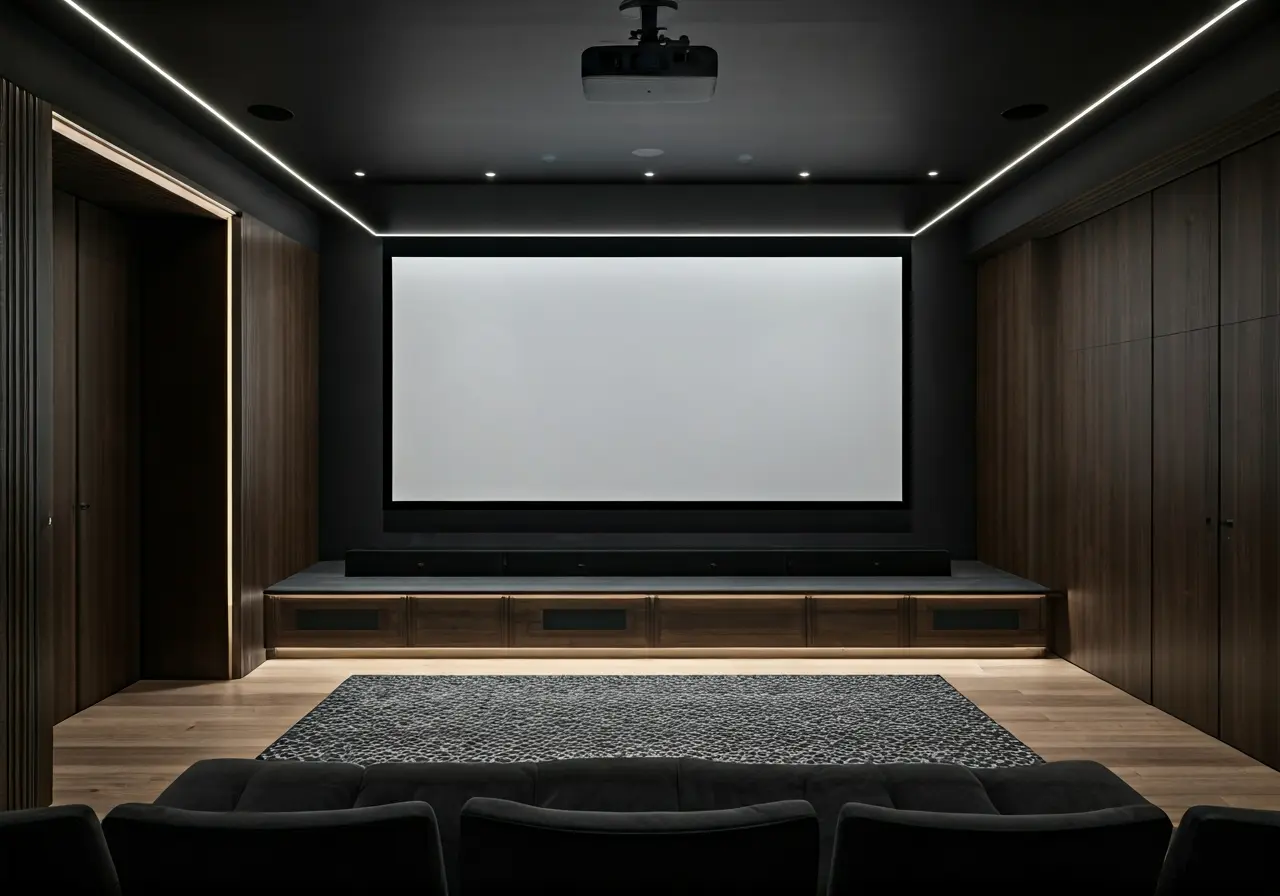
Creating the perfect home theater involves more than just picking out a large screen and a set of speakers. It’s about crafting an immersive experience that rivals a night out at the movies right in the comfort of your own home. With the right AV design strategies, you can transform any room into a cinema-lover’s paradise. Let’s explore some tips to help you achieve the ultimate home theater setup.
1. Choosing the Ideal Room for Your Theater
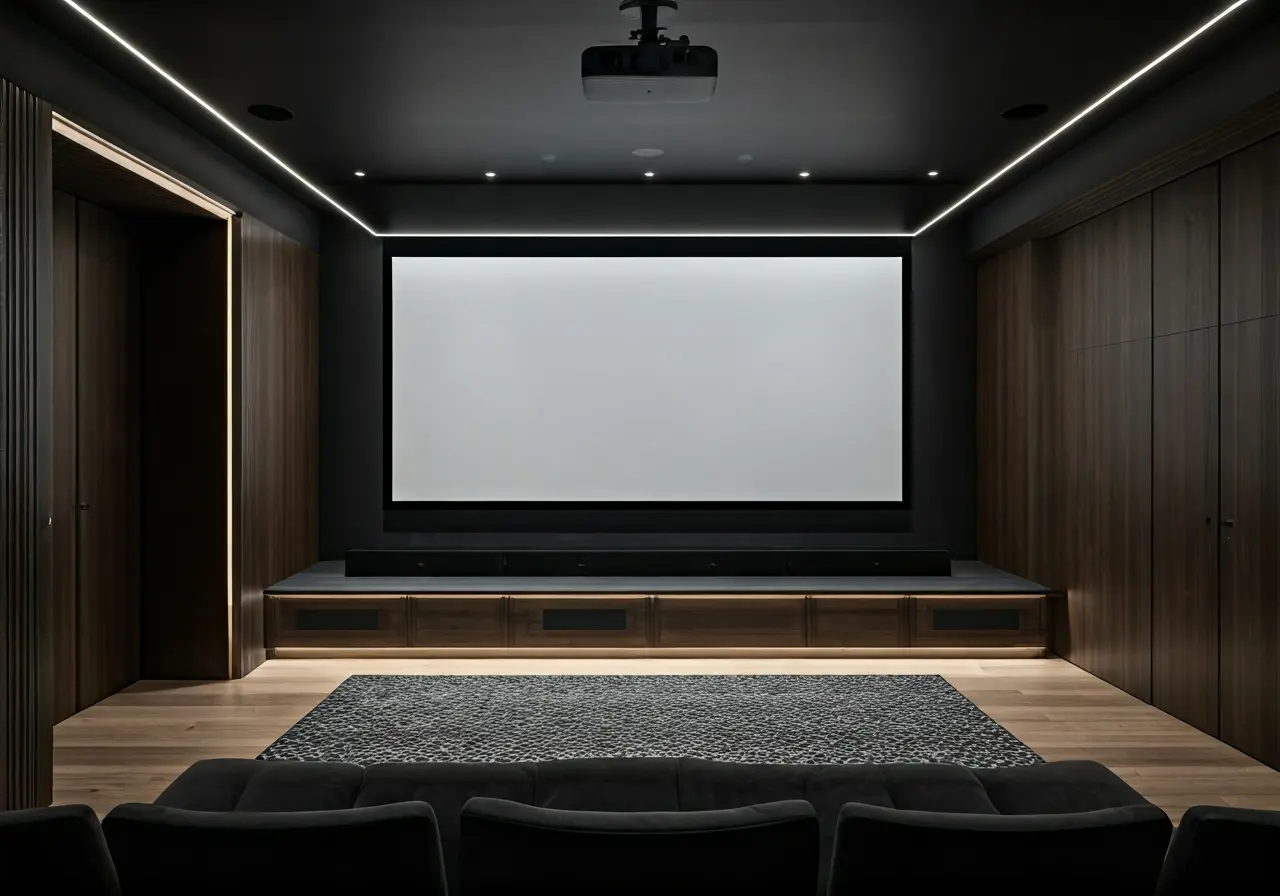
The first step in designing your home theater is selecting the perfect room. Consider factors like room size, shape, and location within your home to maximize sound quality and viewing comfort. Ideally, you’ll want a room with minimal windows and natural light to prevent glare on the screen. If feasible, select a room that’s somewhat isolated from the main areas of your house, allowing greater freedom with sound levels without disrupting others. Basements are commonly chosen due to their natural sound-dampening characteristics. Don’t overlook the dimensions and think about the symmetry of the room, as symmetrical environments help in achieving better sound quality by minimizing audio distortions.
2. Understanding Soundproofing Essentials
To create a truly immersive experience, soundproofing is key. Explore techniques to minimize sound bleeding and enhance acoustic isolation, ensuring your theater doesn’t disturb the rest of your home. Begin with acoustic panels on walls and ceilings since they absorb sound and reduce echo. Carpets or thick rugs can work wonders on hardwood floors by absorbing sound waves that might otherwise bounce around the room. Consider sealing any gaps around windows and doors, perhaps using weather stripping or acoustic seals to further contain sound within your theater space. Use curtains to both block light and contribute to sound absorption, enhancing the overall acoustic performance.
Incorporating sound insulation like mass-loaded vinyl can significantly boost the soundproofing effectiveness. This material acts as a dense sound barrier, dampening the transfer of sound waves. For a more comprehensive solution, consider consulting sound engineers or home theater experts to community a sound isolation plan tailored to your room’s specific characteristics and your viewing habits. Transitioning your home’s auditory landscape can sometimes require creative solutions, such as installing ‘decoupled’ flooring systems, which prevent vibrations from transmitting through the structure, making your theater’s audio truly self-contained.
3. Setting Up the Perfect Screen Placement
Screen placement can significantly impact your viewing experience. Follow guidelines on optimal screen height and distance to create a comfortable visual experience without straining your eyes. The golden rule is to have the screen at eye level from your main seating position. Generally, the bottom third of the screen should be level with the viewers’ sightline for optimal comfort, minimizing neck strain and maximizing enjoyment. Distance is just as crucial; too close and your eyes have to work harder, too far and you lose the immersive quality. A common rule is to sit at a distance that’s about 1.5 to 2.5 times the diagonal size of the screen. For precise calibration, reference the viewing angle guidelines set forth by expert visual consultants.
4. Optimizing Speaker Arrangement for Surround Sound
Proper speaker placement is crucial for achieving dynamic surround sound. Learn how to position your speakers to envelop your space in rich, captivating audio. Begin by organizing your speakers in a manner consistent with the configuration recommended for your system, whether it’s a 5.1, 7.1, or even a more advanced Dolby Atmos setup. Typically, front-facing speakers should flank your screen, directed at ear level from your seating position. Meanwhile, surround sound speakers should be positioned at ideal angles behind and above listeners to create a sound field that seems to come from all around. Accurately calibrating these can enrich your theater with audio fidelity that feels enveloping.
Another important consideration is the position of your subwoofer for low-frequency effects. Correct placement can make a dramatic difference in how bass frequencies resonate throughout the room. It’s generally advised to place the subwoofer in a corner or against a wall to capitalize on the way low frequencies propagate. However, testing several positions and listening to the results is often the best way to find what’s right for your room. Don’t forget to make use of room calibration software provided by many modern AV receivers to optimize the audio output based on your room’s unique acoustic properties, leading to a truly personalized auditory experience.
5. Selecting the Right Lighting Design
Proper lighting enhances the ambiance of your home theater. Discover layered lighting techniques to balance screen glare and maintain an immersive movie-watching atmosphere. Start with ambient lighting, which should be dimmable and easily controlled to suit the viewing conditions. Wall sconces or overhead recessed lights can be an excellent choice for providing indirect, soft light that doesn’t interfere with the screen. Accent lighting adds further depth and can highlight architectural features or decorative elements, ensuring your theater feels as dynamic visually as it does audibly.
To minimize any potential screen glare, consider smart LED strip lights that offer flexibility in adjusting color temperatures and intensities. Integration of smart lighting can also offer convenience, allowing you to control every aspect of your theater’s lights from a central device or voice-activated assistant. Implement task lighting on pathways or steps for safety without intruding on the viewing area. Since proper lighting control can elevate the overall experience, consider incorporating motorized blackout shades for windows, ensuring complete control over the light environment in your theater space.
6. Incorporating Smart Home Technology
Smart technology can streamline your theater setup. Explore how smart devices, like automated lighting and universal remotes, can simplify your viewing experience. The integration of smart home devices can automate everything from powering up your projector to adjusting the room temperature with minimal effort through voice commands or preset scenes on apps. Employ universal remotes or voice assistants like Alexa or Google Home to create an interconnected system that reduces the need for multiple remotes and enhances the seamlessness of your system. These tools consolidate control of your array of devices, elevating the user-friendly nature of your home theater.
7. Adopting an Aesthetic Theme for Your Space
Creating a cohesive theme enhances the experience. Learn how to incorporate design elements that reflect your personal style while maintaining functionality. Begin by choosing a color palette and decor that matches the desired ambiance of your theater. Darker colors generally provide a better viewing experience by minimizing reflection and preventing any washing out of the screen. Consider incorporating thematic elements that resonate with your favorite movies or eras, such as vintage posters or art deco furnishings, which will give your theater a personal touch.
8. Exploring Seating Options for Maximum Comfort
Comfortable seating is vital for enjoyable long movie sessions. Discover different seating arrangements and styles that can elevate the comfort level of your theater. When choosing seats, opt for reclining options with plush upholstery, which provides both comfort and support. Theater-style seating with cup holders and compartments can add a touch of authenticity and utility. For a more integrated experience, consider sectional sofas or love seats to create a more intimate and relaxed atmosphere. Overall, it’s important that chairs provide sufficient ergonomic support, as viewers can sometimes spend hours in one sitting.
Consider arranging the seats in a tiered manner if space allows; this helps ensure an unobstructed view for everyone. Keep aisle space clear to enable easy movement without disrupting others. Investing in high-quality seating can significantly enhance your theater’s comfort, making it a preferred space for relaxation and entertainment. Since the audience will be seated for extensive durations, accessories such as blankets or fabric throws can add comfort and warmth, turning your theater into the ultimate cozy cinema getaway.
9. Handling Cable Management with Ease
Cable management keeps your space looking sleek and organized. Learn tips to hide and manage cables efficiently, maintaining a clean and professional look. Use concealing systems like cable raceways or wire coverings, which can be painted to match your walls. Strategically placing your equipment on shelves or within media cabinets helps in keeping cables neat and accessible.
Incorporate clips, zip ties, and cable sleeves for bundled cables, reducing clutter and preventing tangling. Routing cables through walls or under floor panels can also make a significant difference in maintaining a tidy appearance. Always ensure that cables are not placed in scenarios where they might pose a trip hazard or be damaged by foot traffic. Proper labeling of wires adds another layer of organization and aids in troubleshooting, making the entire system more straightforward to manage.
10. Future-Proofing Your Home Theater Setup
Technology evolves rapidly, and your setup should be ready for future upgrades. Discover ways to design your theater with flexibility and adaptability in mind. Opt for modular setups that allow parts of your system to be easily updated or replaced without a complete overhaul. Investing in a high-quality AV receiver with excess input slots can ensure compatibility with future devices. Stay informed about emerging technologies, such as 4K and 8K streaming capabilities, to ensure your system remains current with content offerings.
Incorporate a flexible plan for connectivity options, including ample HDMI ports and robust network capabilities to support streaming services or gaming consoles. Consider investing in high-speed internet to maintain quality streaming able to support the demands of advancing technologies. Future-facing design also includes plumbing for longer-term needs, such as upgraded sound systems or larger displays. By planning ahead with adaptability in mind, you can ensure your investment in your home theater remains relevant as new technologies become prevalent.