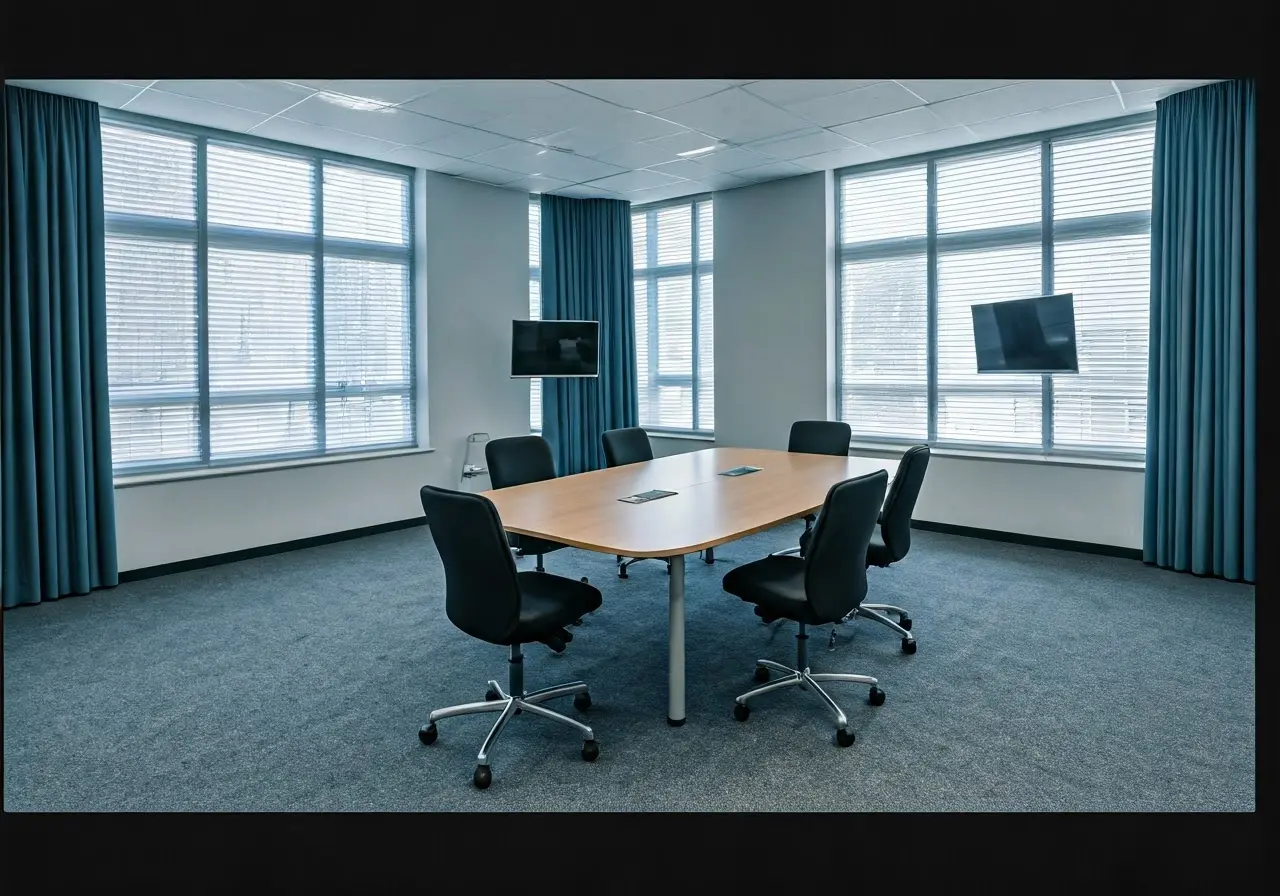
10 Ways Conference Systems Can Transform Your Meetings
In today’s fast-paced business world, effective communication is key. Conference systems have emerged as essential tools that can significantly enhance how meetings are conducted. Whether you’re working with a remote team or looking to optimize in-person meetings, leveraging the right technology can make all the difference. Here, we explore how conference systems can revolutionize your meeting experience.
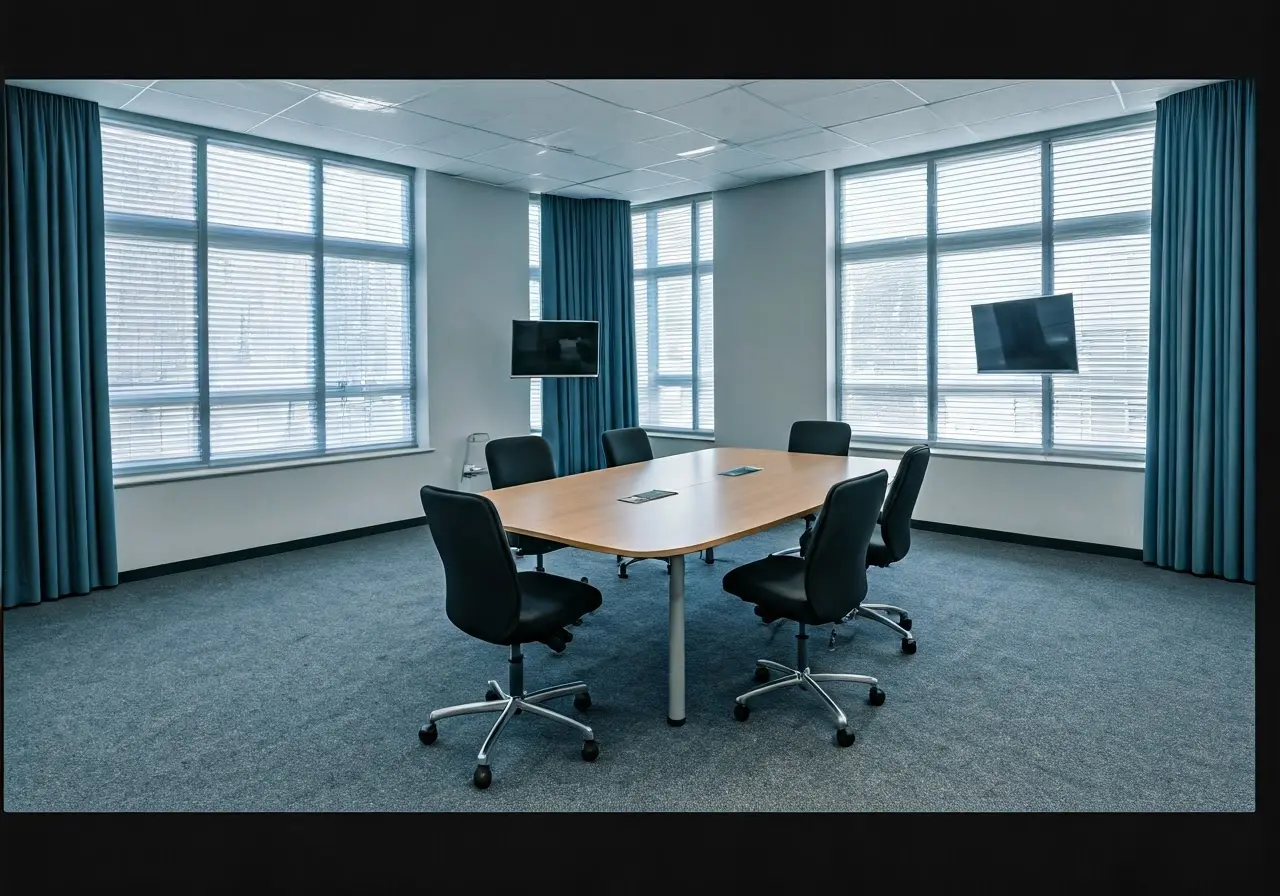
1. Connecting Across Geographies
Conference systems provide the tools necessary to connect individuals from around the world, ensuring that distance is no longer a barrier to effective communication. With audio and video capabilities, team members can participate fully, regardless of their physical location. This is invaluable in today’s globalized economy, where teams are often spread across different continents. Not only does this enhance collaboration, but it also eliminates the need for expensive and time-consuming travel.
Moreover, using advanced conference systems, businesses can facilitate a seamless exchange of ideas and information. High-quality audio and video ensure that every participant feels like they’re in the same room, no matter where they are in the world. These systems are designed to work across multiple time zones, making them ideal for cross-border and international teams striving for efficiency and coherence in their communications.
2. Enhancing Team Collaboration
With features designed to promote interaction, conference systems encourage team collaboration. Tools like screen sharing and virtual whiteboards allow team members to work together seamlessly, fostering creativity and problem-solving. These tools offer a dynamic platform where ideas can be visually articulated and refined in real-time. Participants can brainstorm without the limitations of traditional meetings, and integrate insights quickly and effectively.
Furthermore, these platforms support the integration of other collaboration tools such as document sharing and project management applications, ensuring that every team member has access to the resources they need to contribute meaningfully. This integration of tools multiplies the efficiency of meeting outcomes and enhances the overall productivity of the teams involved, proving that the right technology can transform mere communication into productive collaboration.
3. Boosting Engagement With Interactive Features
Interactive elements such as polls, Q&A sessions, and chat functions keep participants engaged and active throughout the meeting, making discussions more dynamic and inclusive. By fostering an environment where everyone’s voice can be heard, conference systems democratize the meeting space and enhance participatory communication. These tools are particularly useful in keeping large meetings on track and ensuring that feedback is gathered and addressed promptly.
The real-time feedback functionality of these systems means that concerns or questions can be addressed without delay, preventing confusion or misinterpretation in fast-paced discussions. This immediacy helps maintain focus and urgency during meetings, ensuring that objectives are met efficiently and that the meeting remains productive and goal-oriented.
4. Streamlining Meeting Management
Conference systems help streamline meeting logistics, offering scheduling tools, calendar integrations, and automated reminders to keep everyone on the same page and reduce administrative burdens. These features help in organizing meetings across different time zones, eliminating the hassle of manual scheduling. Automated systems ensure that everyone is notified and reminded of upcoming meetings, reducing the possibility of missed appointments.
In addition, these systems can sync with personal and corporate calendars, making it a breeze to keep track of all commitments without the need for constant back-and-forth emails or messages. This synchronization also allows for better allocation of resources and helps prioritize tasks effectively, ensuring an optimal use of time and manpower. Such efficiency not only boosts productivity but also reduces stress associated with planning and coordinating meetings manually.
5. Facilitating Real-Time Decision Making
With access to up-to-date information and instant communication, conference systems make it easier to make swift, informed decisions during meetings. This accelerated decision-making process can be crucial, particularly in fast-moving industries where being able to respond quickly to new information or a changing market landscape is vital.
The immediacy of communication facilitated by these systems means that discussions can be more focused and outcomes can be realized without delay. Teams can analyze data, collaborate on solutions, and implement strategies in a matter of minutes, rather than hours or days, which traditionally would have been the case. This agility is a significant competitive advantage in any industry.
6. Recording and Archiving for Future Reference
The ability to record meetings provides a valuable resource for reviewing discussions and decisions, ensuring nothing is missed and facilitating the onboarding of new team members or stakeholders. This is particularly advantageous for complex projects or discussions that involve multiple stakeholders, as it provides an accurate record of what was discussed and agreed upon.
Meeting recordings can also be used as training materials or as a basis for post-meeting analyses to evaluate what worked and what can be improved. This ability to revisit meetings enhances the learning curve within an organization and ensures continuous improvement in meeting effectiveness and efficiency.
7. Customizing to Meet Different Needs
From small team huddles to large-scale webinars, conference systems are versatile, allowing customization to fit the specific needs of each meeting, thereby optimizing the experience for participants. These systems are equipped with modifiable features and settings that cater to various meeting sizes and structures, offering the flexibility required for diverse meeting objectives.
8. Increasing Accessibility for All Participants
With features like closed captions and language translation, conference systems make meetings more accessible to all participants, ensuring everyone can contribute regardless of language or hearing ability. This inclusivity is important for fostering an environment where ideas are not limited by language barriers.
9. Fostering Inclusivity and Diversity
Advanced conferencing tools allow for varied participation methods, enabling diverse voices from different regions and backgrounds to be heard, thus fostering an inclusive meeting environment. By embracing cultural and linguistic diversity, organizations can harness a broader range of insights and perspectives, which can enrich discussions and lead to more rounded and innovative solutions.
10. Optimizing Time and Resource Management
By reducing the necessity for travel and enabling more efficient use of time, conference systems help organizations save resources, making meetings more cost-effective and sustainable. These systems allow for the conservation of both time and money, by eliminating the need for physical presence and allowing remote participation. This also reduces the carbon footprint associated with travel for meetings, aligning with corporate sustainability goals.