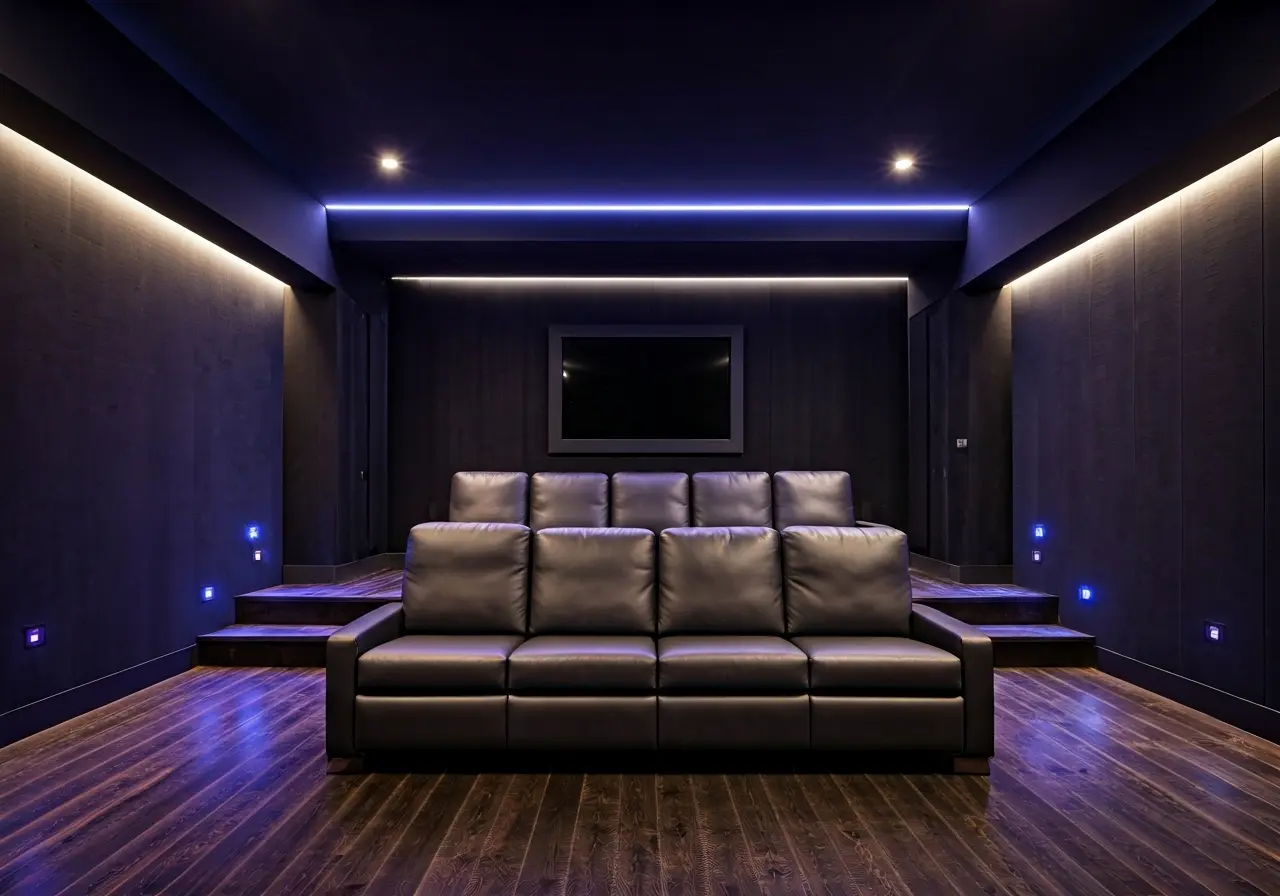
9 Cutting-Edge AV Design Trends to Watch This Year
As technology continues to evolve at a rapid pace, the world of AV design is seeing some remarkable changes. Whether you’re an industry professional or an enthusiastic hobbyist, staying updated with the latest trends is crucial. This year, we’re witnessing some groundbreaking developments in audio-visual design. In this blog, we’ll explore the captivating trends that are shaping the future of AV systems.
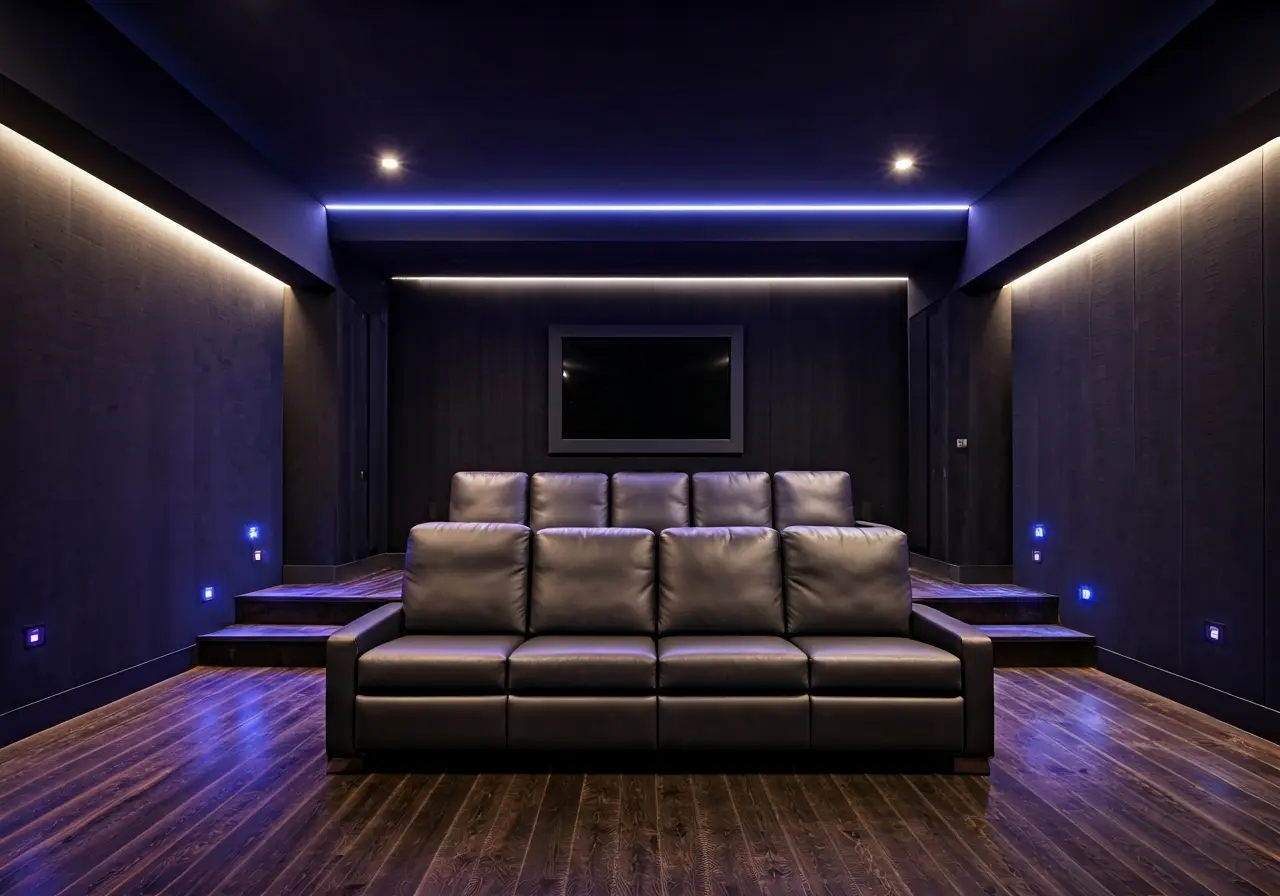
1. Immersive Audio Technologies
Immersive audio technologies are revolutionizing how we experience sound. By creating an auditory environment that surrounds the listener, these technologies provide an experience that is as close to reality as possible. The rise of binaural audio techniques allows sound engineers to craft experiences where sounds seem to emanate from specific directions and distances. This level of detail not only enhances the listening experience but also elevates the storytelling capabilities in various media forms.
Furthermore, immersive audio finds its place not just in entertainment, but also in practical applications such as virtual tours and educational platforms. Imagine exploring a museum where the audio guides bring historical events to life, immersing you in the era with every step. This technological advancement is a testament to how deeply our auditory senses can be engaged, creating a more intimate and engaging form of storytelling.
2. Integration of Artificial Intelligence
Artificial intelligence is shaping the future of AV design by enabling systems to become more adaptive and responsive to user needs. Through machine learning algorithms, AV systems can now analyze user preferences and optimize the audio-visual experience in real-time. For instance, smart speakers equipped with AI can adjust sound settings based on the acoustics of a room or the type of media being played.
In addition, AI-driven analytics provide insights into how AV systems are used, helping designers to refine and enhance the user experience. This level of personalization ensures that the technology not only meets but anticipates user needs, creating a seamless interaction between the device and its user.
3. Rise of Virtual and Augmented Reality
Virtual and augmented reality are not just buzzwords; they are transformative technologies that are making their way into everyday AV design. These technologies create immersive environments that users can interact with, whether it’s through VR headsets or AR glasses overlaying digital content onto the real world. This blend of real and virtual elements provides opportunities for enhanced storytelling and engaging educational experiences.
Moreover, VR and AR bring a new dimension to remote collaboration, allowing teams to work together in a shared virtual space despite geographical barriers. As these technologies continue to mature, we can expect to see their applications expand beyond entertainment, influencing fields such as healthcare, education, and remote work, enhancing the interactivity and effectiveness of visual content delivery.
4. Sleek and Minimalist AV Equipment
In recent years, there has been a significant shift towards sleek and minimalist designs in AV equipment. Gone are the bulky systems of the past; today’s consumers and businesses prefer equipment that blends seamlessly into their environments. The emphasis is on clean lines and unobtrusive technology that enhance rather than dominate the space. This trend not only reflects aesthetic preferences but also aligns with the growing consumer demand for simplicity and ease of use in technology.
Manufacturers are responding by designing AV systems that feature understated elegance, often incorporating advanced materials and finishes that are both functional and stylish. The result is AV technology that satisfies both form and function, catering to the modern sensibility of less being more.
5. Wireless Connectivity and Streaming
The freedom of being wireless is reshaping the landscape of AV systems by allowing for more flexible and versatile configurations. As high-speed wireless technologies continue to advance, the integration of seamless streaming becomes more prevalent. Cutting cords means more than just tidying up a space; it means enabling devices to connect and communicate without the constraints of physical wiring, opening up new possibilities for where and how AV systems can be installed.
Streaming capabilities have also evolved, with platforms supporting high-definition content delivery to multiple devices. This evolution reflects a societal shift towards on-demand content consumption, where users expect immediate access to a plethora of high-quality media. As such, AV designs are focusing on incorporating robust wireless solutions to support this demand, ensuring that users have consistent access to their digital libraries anytime, anywhere.
Furthermore, the move to wireless AV systems extends to other areas like smart homes, where full connectivity is essential for the home’s ecosystem to work harmoniously. Devices that communicate wirelessly contribute to the creation of intelligent environments, where technology not only entertains but also enhances the daily lives of users.
6. Green and Sustainable AV Solutions
The drive towards sustainability is influencing all industries, and AV design is no exception. In 2023, we see a growing trend in eco-friendly AV systems that focus on reducing energy consumption and utilizing sustainable materials. This shift not only addresses environmental concerns but also aligns with the increasing expectation for corporate responsibility and sustainable business practices.
Innovative solutions such as energy-efficient components and the use of recycled materials are becoming standard offerings from responsible manufacturers. These technologies are designed to minimize environmental impact without compromising on performance or quality—delivering AV experiences that are not only cutting-edge but also environmentally conscious.
This trend continues to gain traction as consumers become more eco-aware and demand products that reflect their values. As a result, AV systems that prioritize sustainability will not only meet consumer expectations but also contribute positively to the environment, setting new industry standards.
7. The Shift Towards Cloud-Based Solutions
As technologies continue to evolve, we are witnessing a major shift towards cloud-based solutions in AV design. This transition offers a host of benefits including scalability, remote accessibility, and efficient resource management. By moving AV content and processing to the cloud, users gain flexibility and control, enabling them to leverage powerful computing resources without significant on-premises infrastructure.
The cloud-based approach enhances collaborative efforts by enabling real-time updates and data sharing across teams. Such platforms empower businesses to manage complex projects more effectively, ensuring that they can respond swiftly to changing needs and demands. Moreover, this trend reflects wider digital transformation efforts across industries that aim to increase efficiencies and reduce redundancies in operations.
8. Increased Focus on User Experience
User experience has always been at the heart of AV design, but recent trends indicate an even stronger focus on creating intuitive interfaces and seamless integrations. The aim is to develop technology that serves the user efficiently, making interactions as smooth and unobtrusive as possible. Whether through gestures, voice commands, or mobile control apps, the goal is to empower users with simple, accessible options that enhance their overall experience.
Moreover, advancements in user interface design bring about a higher level of personalization, where systems can cater to individual preferences and habits. This creates a bespoke experience that resonates with users, reassuring them that the technology adapts to their lifestyle, not the other way around.
9. Advancements in High-Resolution Displays
The demand for clearer, more detailed visuals has driven significant advancements in high-resolution display technologies. Innovations such as 8K and OLED displays push the envelope in visual clarity, offering unparalleled image quality with vibrant colors and deep contrasts. The pursuit of these technologies reveals an underlying expectation for more immersive entertainment experiences.
As display technology continues to advance, we are likely to see these high-resolution screens becoming more accessible and prevalent across different sectors, from home theaters to professional settings. These advancements reflect a global trend towards enhanced visual communication, where every pixel counts, making high-resolution displays a critical component in the future of AV design.