12 Ways to Make Your Entertainment System More Energy Efficient
In today’s world, where energy conservation is increasingly important, making your entertainment system more energy efficient can help reduce your carbon footprint and save on your electricity bills. In this guide, we’ll explore easy and effective ways to make your setup more sustainable without sacrificing the fun and relaxation you enjoy.
1. Unplugging Devices When Not in Use
Unplugging your devices when they’re not in use can prevent energy waste from ‘phantom’ or ‘vampire’ power. Many people don’t realize that electronics continue to draw power even when turned off. This standby power can add up over time, leading to higher electricity bills. Invest in a smart power strip with a master outlet that controls the power to peripheral devices. For instance, turning off your TV or game console with a smart strip can also cut power to your speakers and DVD player once the main device is turned off. Not only does this reduce energy waste, but also contributes to the longevity of your devices. Discover our selection of energy-saving tips to further enhance your efficiency efforts.
2. Opt for Energy-Efficient Models
When purchasing new equipment, it’s essential to consider energy-efficient models. Appliances with the ENERGY STAR label are a great choice as they meet or exceed federal standards for energy efficiency. These devices are particularly designed to use less energy while delivering the same performance as standard models. Energy-efficient televisions, for example, not only reduce electricity usage but often offer better display technologies and features. Replace older models to enjoy updated tech that’s both economically and environmentally friendly. Dive into our complete guide on selecting the best energy-efficient electronics.
3. Adjusting the Brightness Levels
One of the easiest adjustments you can make to your entertainment system is decreasing the brightness of your TV or computer screen. Brightness levels are often set higher than necessary, which not only drains more power but also strains your eyes. Many devices feature adaptive brightness settings, adjusting the levels based on the ambient light in the room. Additionally, most screens have preset modes such as movie or game, which are optimized for different viewing experiences. Experiment with these settings to find a balance that saves energy and maintains a comfortable viewing experience. Explore more on tricks to optimize your device settings.
4. Using a Smart Power Strip
Smart power strips are a game-changer in managing the power consumption of entertainment systems. Unlike standard power strips, these devices automatically cut off power to electronic devices when they’re not in use, preventing energy drain from standby modes. These strips are especially helpful in households with multiple electronic setups, as they streamline the way devices use power. For instance, one could program the strip to cut power to all connected devices after midnight or when the room’s lights are turned off. The added convenience of remote control features and timer settings make these strips an ideal solution for modern energy management.
5. Setting Automatic Sleep Modes
Enable automatic sleep modes on your entertainment devices to save energy effectively. Most modern electronics, including TVs, gaming consoles, and computers, have settings that power down or enter a low-energy state after a period of inactivity. Customize the timing of these features to suit your usage patterns, ensuring devices are only active when needed. This small shift can lead to substantial reductions in energy use over time. Additionally, explore apps or built-in management systems that notify you of when your device is consuming more power than usual. Take advantage of these tools to create an eco-friendly, energy-saving environment in your home entertainment space.
6. Choosing Energy-Efficient Lighting
Switching to LED or CFL bulbs throughout your entertainment area is a powerful step towards energy efficiency. These bulbs use significantly less energy than traditional incandescent bulbs and have a much longer lifespan. LED lighting, in particular, offers a wide range of color temperatures, allowing you to tailor the ambiance of your entertainment space to your liking. Whether you’re dimming the lights for a movie night or brightening the room for a game session, energy-efficient bulbs ensure your setup is both economical and environmentally friendly. For additional tips on reducing energy waste, check out our guide on sustainable lighting solutions.
Moreover, consider the placement of your lighting to maximize efficiency. Properly positioned lights reduce the need for multiple bulbs and provide even light distribution across the room. Combine your new energy-efficient lighting with smart controls that allow you to adjust or automate lighting scenes based on your activities, enhancing both the energy-saving and entertainment experience.
7. Regular Maintenance and Cleaning
Keeping your entertainment devices clean is not only essential for performance but also for energy efficiency. Dust and debris can accumulate in your devices, causing them to overheat and use more electricity during cooling processes. Regularly wiping down and vacuuming hard-to-reach areas can greatly improve air circulation, reducing the workload on internal fans. Additionally, schedule periodic maintenance checks with professionals to ensure your systems are functioning at their peak. A well-maintained device not only lasts longer but operates more efficiently, saving energy in the long run. Learn more about effective maintenance strategies to care for your tech investments.
8. Streaming Over Traditional Discs
Whenever possible, opt for streaming services instead of relying on DVD or Blu-ray discs. Streaming uses less energy as it eliminates the need for disc players and results in fewer physical components drawing power. Services like Netflix, Hulu, or Disney+ also allow you to easily choose high-definition content without added energy costs from spinning discs. Plus, streaming provides the convenience of accessing a vast library of content without cluttering your living space with boxes and discs. With technological advancements, even live events can now be streamed reliably, providing a seamless entertainment option that’s both eco-friendly and versatile. For an in-depth look at how streaming can transform your entertainment habits, peruse our streaming efficiency guide.
9. Optimizing Home Theater Settings
Fine-tuning your home theater settings can be both an art and a science, but the rewards in terms of energy efficiency are well worth the effort. Many systems offer advanced settings that allow you to balance quality with power consumption. This could include adjusting sound levels and screen resolutions to match your room’s size and acoustics, ensuring you aren’t using more power than necessary. Consider calibrating your visual and audio settings to opt for ‘Eco Mode’ or similar energy-saving options available on modern AV receivers and sound systems. Fine details like speaker placement and room acoustics also play a vital role in achieving maximum efficiency and sound quality.
10. Recycling and Proper Disposal
When upgrading or replacing components of your entertainment system, it’s crucial to think about recycling and proper disposal of old equipment. E-waste can be particularly harmful to the environment, so always look for certified recycling facilities or donation centers for your outdated technology. Many manufacturers and retailers offer trade-in or take-back programs, allowing you to responsibly dispose of electronics while possibly earning discounts on new purchases. Recycling not only conserves materials but also reduces the energy required to produce new products, supporting a more sustainable future. Explore innovative ways to recycle electronics safely and effectively.
11. Investing in Renewable Energy
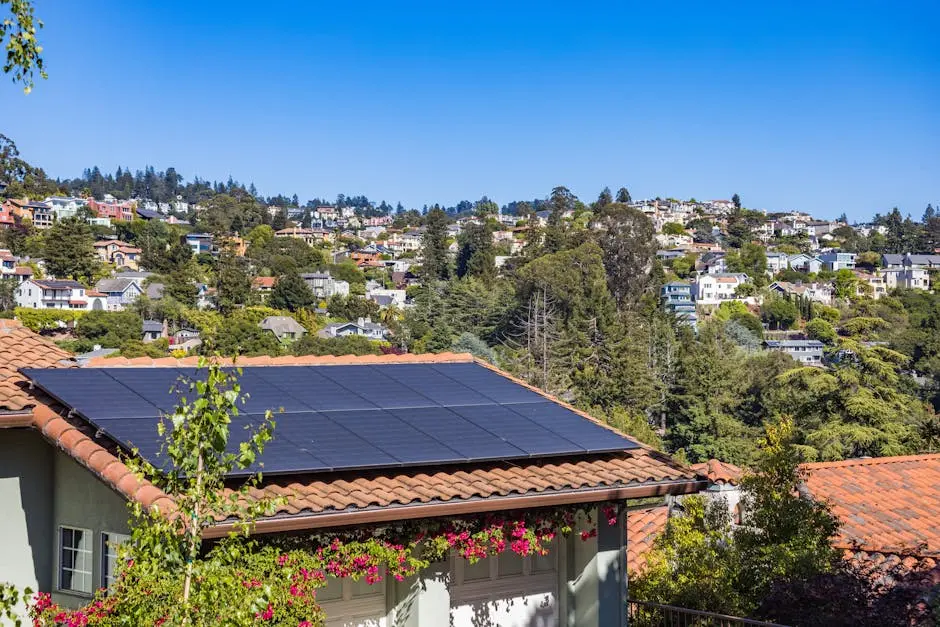
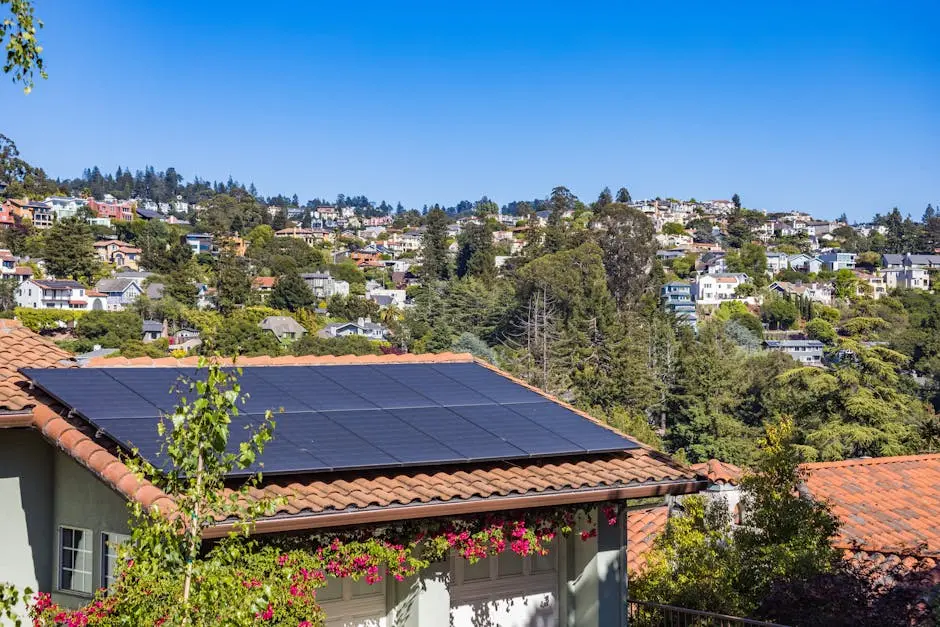
Exploring renewable energy options is an exceptional way to power your entertainment systems sustainably. Solar panels, for instance, can be a great investment, offering long-term savings on energy bills while significantly reducing your carbon footprint. Some households install grid-tie solar systems to feed back surplus electricity, further contributing to energy efficiency. Additionally, inverters and energy storage solutions allow you to harness solar energy even when the sun isn’t shining, ensuring a consistent power supply for your devices. As renewable energy solutions become more accessible and cost-effective, they represent an excellent means to power your high-energy entertainment devices. Consider our comprehensive guide on transitioning to solar energy to get started.
12. Monitoring Your Energy Use
Utilizing an energy monitor can provide valuable insights into the power usage patterns of your entertainment system. These devices can be attached to individual components or installed at the circuit level to give a comprehensive overview of consumption across all electronics. This data enables you to identify which devices consume the most energy and at what times, informing better decisions about usage and scheduling. Many smart energy monitors also integrate with home automation systems, allowing for more efficient energy management and cost savings. For ways to incorporate energy monitoring into your home, check out our resources on smart home technologies.