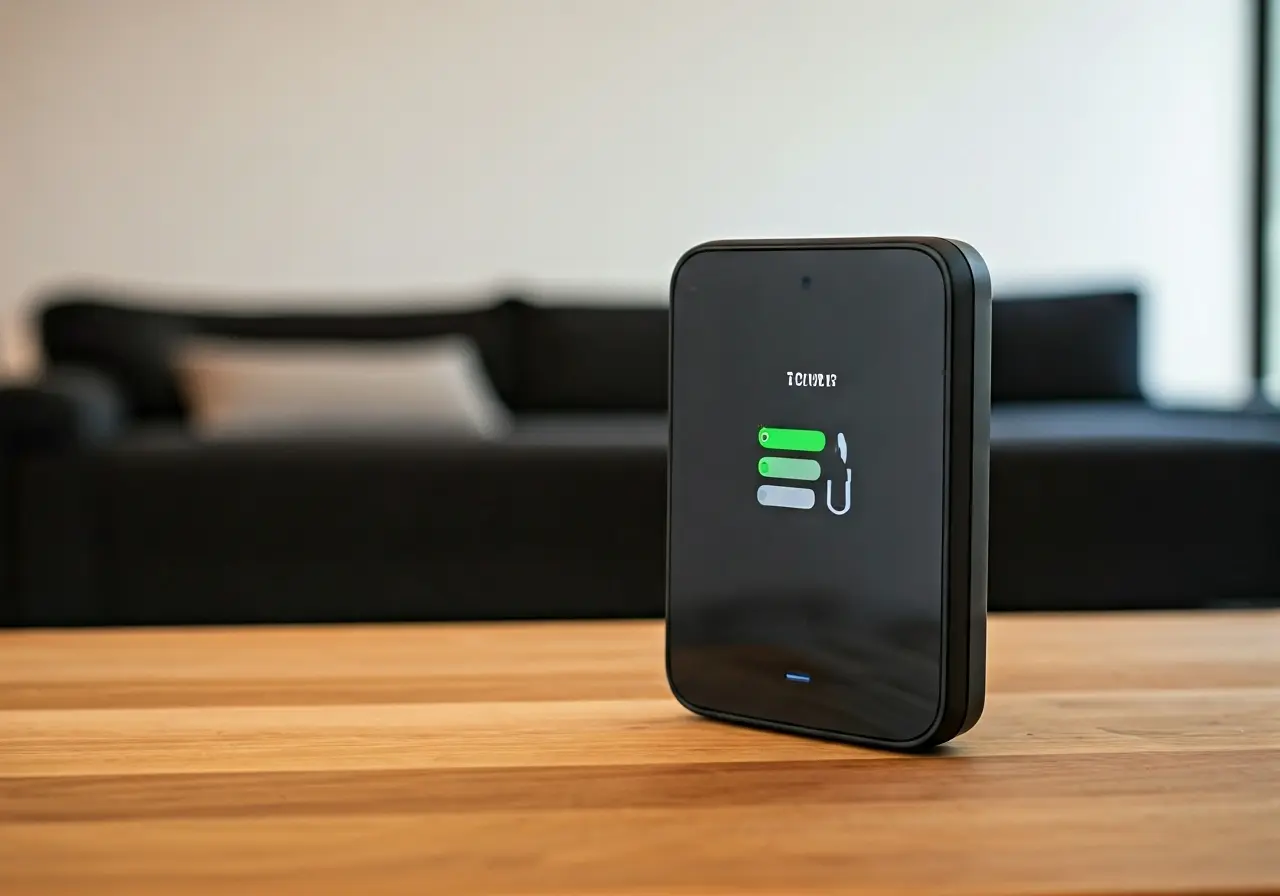
Why Energy Efficient Technology Matters in Home Automation
In today’s world, the emphasis on creating an energy-efficient household is more crucial than ever. With smart technology becoming increasingly integrated into our daily lives, understanding the importance of energy-efficient advancements in home automation can lead to significant benefits, not only for our environment but also for our wallets.

Understanding Energy Efficiency in Home Automation
Energy efficiency in home automation refers to the use of technology to optimize the use of energy within your home. This includes smart thermostats, energy monitors, and automated lighting systems that not only make your home more comfortable but also reduce unnecessary energy consumption.
The shift towards energy-efficient home automation has been transformative, offering homeowners both convenience and cost savings. Smart home devices, which learn daily routines, can dramatically decrease energy waste by automatically adjusting energy usage in real-time. For instance, a smart thermostat can learn your heating and cooling preferences and adjust the temperature accordingly while you are at home, but lower energy use when you are away. This adaptation is achieved through learning algorithms that continuously improve efficiency the longer they are used, offering a personalized and eco-friendly climate control experience.
Furthermore, energy-efficient technologies often have longer lifespans due to their advanced engineering. This not only contributes to lower replacement costs but also results in less frequent waste of resources. These technologies often utilize eco-friendly materials and manufacturing processes, reducing their overall environmental impact from production to end-of-life.
Key Benefits of Energy Efficient Home Technology
Implementing energy-efficient technologies in your home can significantly decrease your utility bills and carbon footprint. Moreover, it enhances the convenience and security of your living space, making it a worthwhile investment for the eco-conscious homeowner.
Beyond monetary savings, energy-efficient home technologies contribute to better indoor air quality and increased property value. Smart ventilation systems, which are part of this technological suite, help maintain clean air by monitoring air quality and ensuring optimal ventilation. This is particularly beneficial in reducing exposure to indoor pollutants and allergens, which can improve health outcomes for your family.
For those looking to increase the value of their property, energy-efficient upgrades are a substantial selling point in the real estate market. Homes equipped with modern energy-saving tech not only stand out for their eco-friendliness but also attract buyers who are keen on reducing their environmental impact. Additionally, some jurisdictions offer tax incentives or rebates to homeowners who upgrade to energy-efficient systems, further reducing the initial investment costs.
Popular Energy Efficient Devices for Your Smart Home
From smart thermostats and LED lighting to energy-efficient appliances and chargers, the options for creating an energy-efficient smart home are vast. Selecting the right devices can help maximize energy savings and improve overall home efficiency.
The adoption of LED lighting technology is among the simplest yet most impactful upgrades you can make. LEDs use up to 90% less energy than traditional incandescent bulbs and have a lifespan that is 15 times longer. Their energy efficiency not only lowers electricity bills but also reduces the frequency of replacements, making them a smart long-term investment for both the environment and your wallet.
Another popular device making waves in the realm of home automation is the smart plug. These small yet powerful tools allow you to control power usage on any device they are connected to via a mobile app. You can set schedules, turn off devices remotely, and monitor energy consumption in real-time. By using smart plugs to control energy-heavy appliances, you ensure that no energy is wasted when the appliance is not in use.
How Energy Efficiency Contributes to Sustainability
By reducing your home’s energy consumption, you are directly contributing to a more sustainable future. Energy-efficient technologies help reduce the total global energy demand, cutting down on greenhouse gas emissions and promoting cleaner, healthier communities.
The integration of energy-efficient technology in homes is a pivotal step towards sustainable living. By minimizing energy waste, we lessen our reliance on non-renewable energy sources, which are finite and often contribute significantly to pollution and climate change. Technologies such as solar panels and home batteries can provide renewable energy which, when combined with energy-efficient devices, maximizes energy self-sufficiency and reduces the household’s carbon footprint.
Furthermore, adopting energy-efficient technology supports broader environmental goals by promoting cleaner energy practices and encouraging innovation in green technologies. It fosters an economically viable pathway to sustainability, allowing both individuals and communities to thrive while respecting the planet’s ecological boundaries. As more homes adopt these technologies, energy efficiency becomes economical not just on an individual level but also on a societal scale, reducing the overall demands on energy infrastructures.
Embracing an Energy-Efficient Future for Your Home
As we’ve explored, energy-efficient technology in home automation offers numerous advantages. By reducing energy consumption, saving money, and promoting environmental sustainability, these technologies are not just a trend, but a necessity for modern living. Investing in energy-efficient home automation makes your home more convenient while contributing positively to the world around us.