How Homes Got Smart: A Look at the History of Smart Home Automation
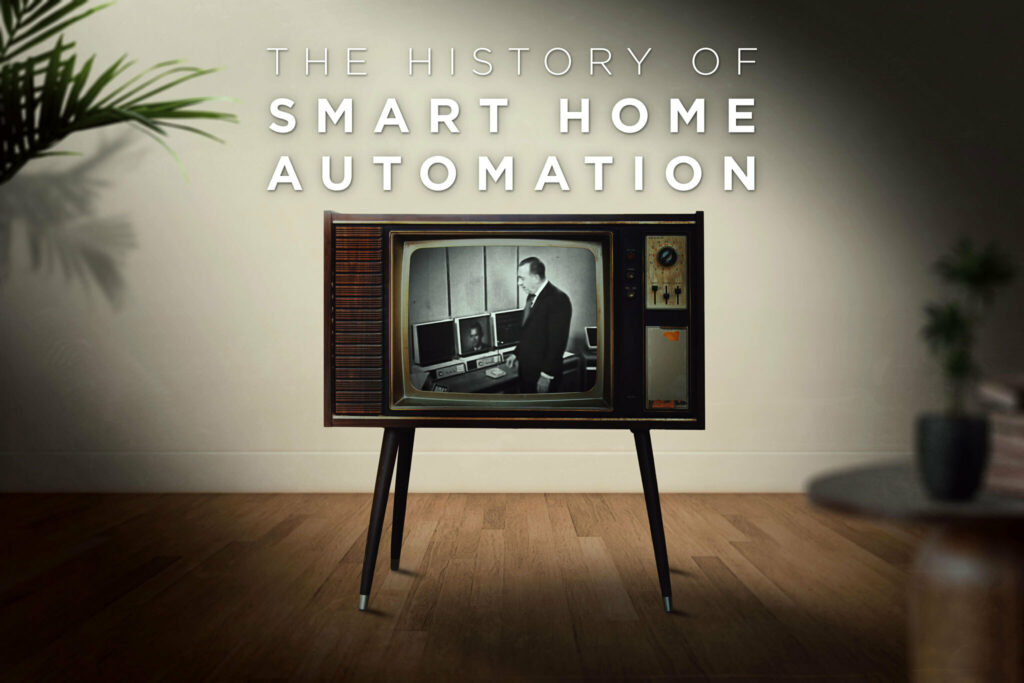
In the swiftly evolving landscape of technology, one trend that has profoundly reshaped our day-to-day lives is smart home automation. This remarkable innovation has turned science fiction into reality, making our homes not just passive structures, but interactive spaces that respond, learn, and even anticipate our needs. From voice-activated lights and self-regulating thermostats to remote-controlled security systems, the “smart home” concept has transformed our interaction with the domestic sphere.
But have you ever paused to ponder how we arrived at this juncture? Every futuristic innovation is built on a foundation laid by the inventions of the past, and understanding the history of smart home automation provides valuable insights into how our homes got ‘smart.’ This understanding not only enlightens us about the past but also helps us appreciate current technologies more and anticipate future trends.
The Dawn of Home Automation
Let’s step back in time, to when the seeds of home automation were just beginning to sprout. The term “home automation” today may conjure images of AI-powered speakers and smartphone-controlled lights, but the concept, at its heart, is not a product of the 21st century. Instead, it’s been a gradual process, intertwined with human progress itself.
In a broad sense, home automation refers to the use of systems and technologies to perform household tasks and functions automatically. The goal has always been to improve convenience, comfort, and efficiency. The means and methods, however, have evolved significantly over the years.
The history of smart home automation truly begins with the advent of electricity in the late 19th century. The power to harness electricity not only lit up our homes but also sparked a revolution in domestic life. The introduction of electric power led to the development of the earliest labor-saving devices – the precursors of smart home automation. Devices such as the electric washing machine, the refrigerator, and the vacuum cleaner began to ease household tasks, setting the stage for the future.
The invention of the telephone in the late 19th century was another significant milestone. It introduced the idea of remote communication, a concept central to modern smart home technologies.
History of Smart Home Automation Continued: The Mid-20th Century
In the 20th century, we find ourselves amidst a bustling era of innovation and discovery. The post-war boom, the surge in consumerism, and rapid advancements in technology combined to accelerate the history of smart home automation.
One small but significant invention that laid the groundwork for remote control in home automation was, indeed, the remote control itself. Introduced initially for television sets, the remote control, brought convenience right to our fingertips.
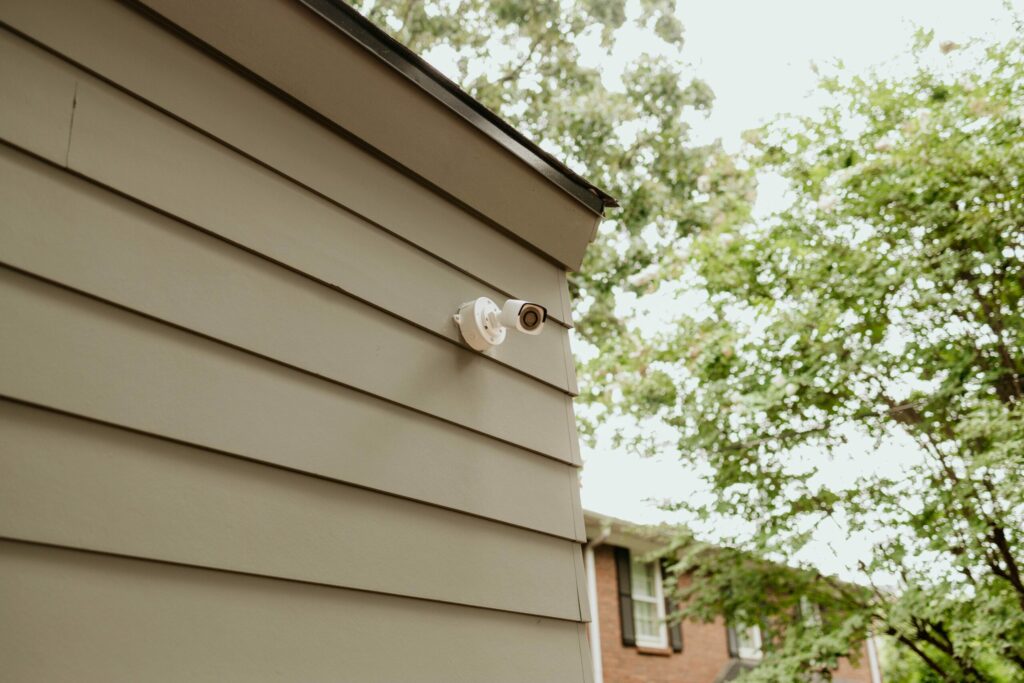
The mid-20th century also witnessed the birth of home security systems. Advances in electronics led to the development of alarms and surveillance systems, allowing homeowners to monitor and secure their homes like never before. This added a new dimension to home automation, expanding its role from just convenience and comfort to safety and security.
But, perhaps, the most groundbreaking innovation of this era was the development of home computer systems. The advent of personal computers in the late 20th century was a game-changer that propelled the history of smart home automation forward. Suddenly, advanced control and programming capabilities became accessible to the average household. As computer technology evolved, so did its applications in home automation.
The Digital Revolution and the Birth of the ‘Smart Home’
As we journey further along the history of smart home automation, we reach a pivotal point — the dawn of the digital age. This era, characterized by the rise of the internet, mobile devices, and wireless technology, has catalyzed some of the most rapid and transformative changes in the realm of home automation.
The advent of the internet was truly a watershed moment. It turned our world into a global village, changing the way we communicate, work, learn, and play. But its impact didn’t stop there. The internet also unlocked the door to the ‘smart home.’ With the ability to transfer data over networks, devices in our homes could now communicate with us, and more importantly, with each other. This interconnectivity laid the groundwork for our homes to become truly ‘intelligent.’
Next came the rise of mobile devices and smartphones. Suddenly, control of our smart homes was literally in the palm of our hands. Whether it’s adjusting the thermostat, checking security cameras, or turning off lights, we could do it all from anywhere, anytime. The history of smart home automation was changed forever.
Wireless technology also played a critical role. The development of technologies like Wi-Fi, Bluetooth, Zigbee, and Z-Wave meant that devices could communicate without the need for physical connections. This removed many of the logistical barriers to home automation, allowing for greater flexibility and ease of installation.
Smart Home Automation Today
The Internet of Things (IoT), a concept born out of the advancements we just discussed, has been instrumental in shaping the current state of smart home automation. IoT is the network of physical objects embedded with sensors, software, and other technologies that connect and exchange data with other devices and systems over the internet. This interconnectivity allows your smart devices to work together, creating a seamless and intuitive living environment.
Today’s smart home technology offers a range of devices that make our lives more comfortable, efficient, and even more fun. We have voice-controlled assistants that can play music, answer questions, and control other smart devices. Smart lighting systems can adjust the brightness and color based on the time of day or your personal preferences. Automated security systems give us peace of mind with features like remote monitoring and instant alerts. Robotic vacuums and lawnmowers take care of chores, while smart thermostats and energy monitors help us reduce our environmental footprint.
Looking to the Future: The Next Frontier of Smart Home Automation
Emerging trends in smart home technologies point to a future where Artificial Intelligence and machine learning take center stage, enabling our homes to not only respond, but also anticipate our needs. Envision a home that understands your routines, optimizes energy, recommends mood-appropriate lighting, and preemptively addresses maintenance needs.
In the spirit of environmental sustainability, the future smart home also leans into energy efficiency. This involves smart thermostats for optimal temperature control and the integration of solar energy systems for a greener living environment.
To embrace these exciting advancements and make your home smarter and more sustainable, don’t hesitate to reach out to CO-DA for professional smart home automation installation. Let us help you navigate the future of home living today.