How Do Home Networks Integrate with Home Automation Systems?
In today’s tech-savvy world, integrating home networks with home automation systems is becoming increasingly popular. This integration offers convenience, energy efficiency, and enhanced security. Let’s dive into how home networks and home automation systems work together and answer some common questions.
What Are Home Networks?
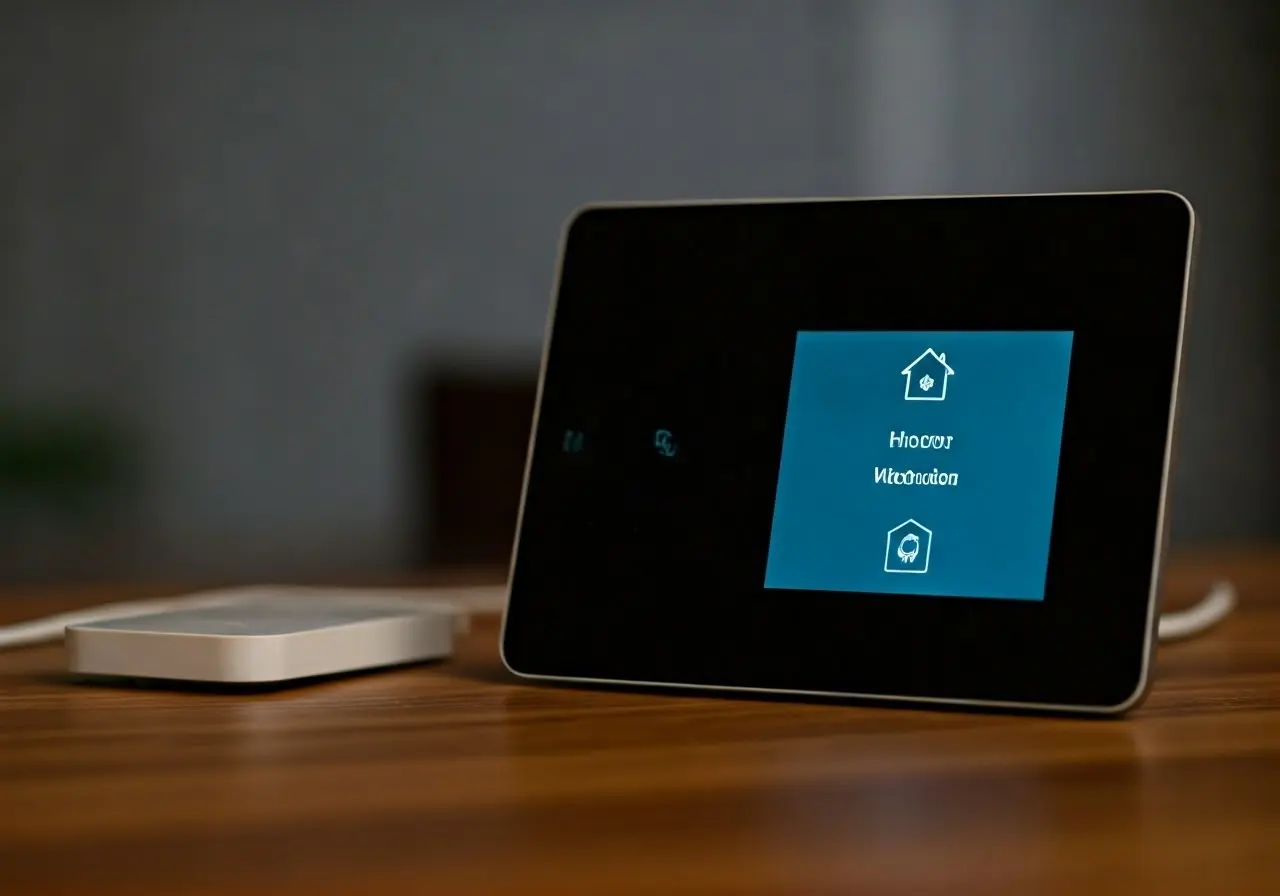
A home network connects various devices within a household, allowing them to communicate with one another and access the internet. It usually comprises routers, modems, and various connecting cables or wireless connections.
At its core, a home network is the backbone of digital communication within your household. Whether you’re streaming a movie in one room or sending an email in another, it’s your network that connects all your devices. This digital ecosystem can be set up through a wired Ethernet connection, which typically offers higher speed and reliability, or through wireless methods such as Wi-Fi, providing greater flexibility and convenience.
In recent years, the importance of a robust home network infrastructure has grown exponentially. With the rise of smart devices and IoT (Internet of Things) technology, having a home network that can handle multiple connections smoothly is crucial. It ensures that your devices, from smartphones to smart thermostats, work harmoniously without bottlenecking your home’s internet speeds.
Additionally, a well-established home network can support innovative solutions, such as mesh networking, which extends your Wi-Fi coverage significantly. Mesh networks work by using multiple access points that ensure every corner of your home has stellar connectivity—a handy setup for larger properties or those with thick walls that typically obstruct signals.
What Are Home Automation Systems?
Home automation systems control and automate household devices such as lights, thermostats, and security systems from a single interface. These systems enhance convenience by allowing remote access and operation.
Imagine waking up in the morning and having your coffee ready, lights adjusted to your preferred brightness, and the thermostat set to the perfect temperature—without lifting a finger. Home automation systems can make this a reality by integrating various household devices into a cohesive system that reacts to your lifestyle. These systems can learn your preferences and automate repetitive tasks, adding a layer of comfort to your daily routine.
A significant aspect of home automation is its ability to create an energy-efficient environment. By automating heating, cooling, and lighting systems based on occupancy and time of day, you can significantly reduce energy consumption and contribute to a sustainable future.
Furthermore, home automation is not just about convenience and energy savings; it’s also about security. Automated systems can include smart locks, motion detectors, and security cameras that monitor and protect your home in real-time. They can send alerts to your smartphone and even allow you to see live footage from wherever you are, ensuring peace of mind whether you’re at home or miles away.
How Do Home Networks and Home Automation Systems Communicate?
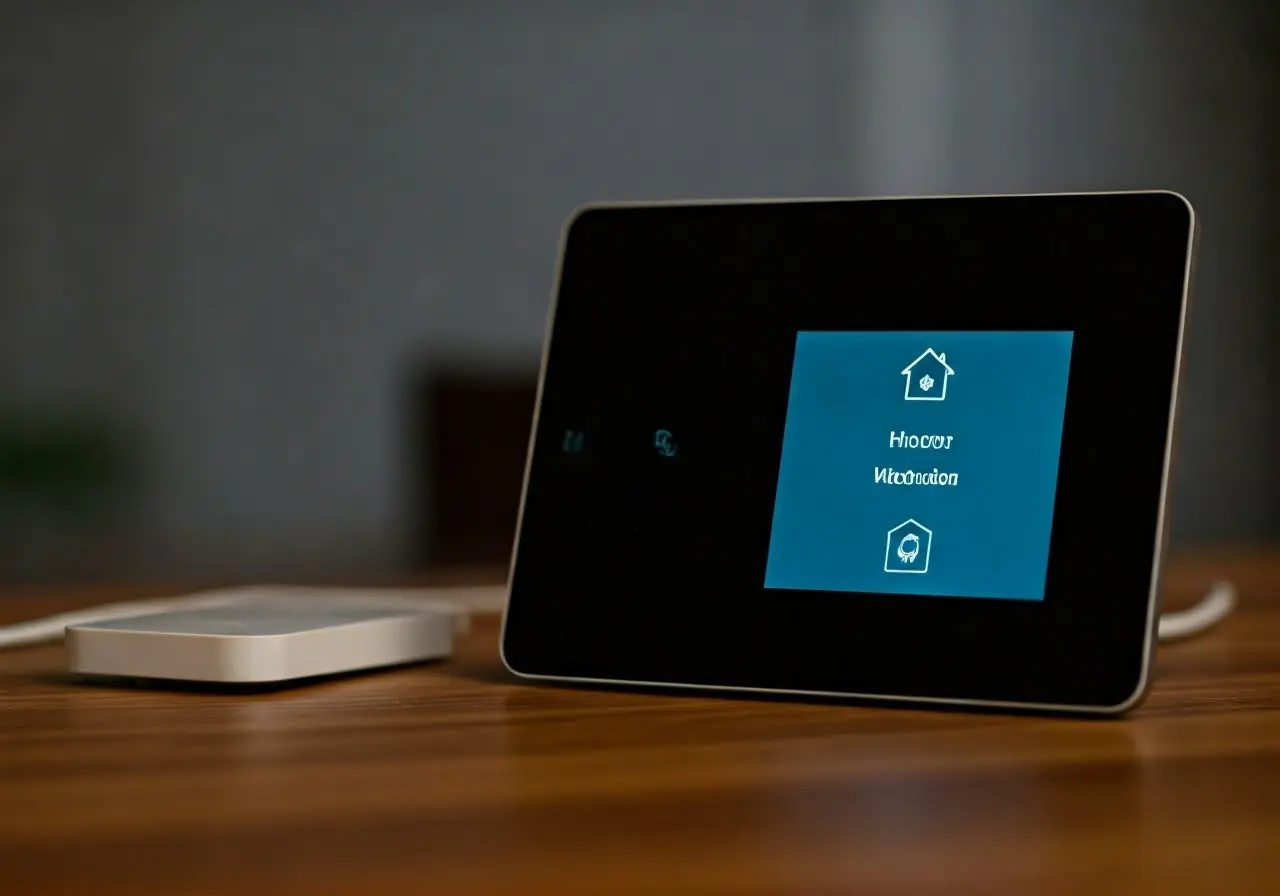
The integration typically occurs through a central hub or smart assistant, which acts as a bridge between your home network and automation devices. Using Wi-Fi, Bluetooth, or specialized protocols like Zigbee or Z-Wave, devices communicate seamlessly.
A central hub serves as the command center of your smart home, integrating different components of your home network with your automation system. This hub, often a smart speaker or dedicated control panel, interfaces with your devices using various communication protocols. If you’re relying on Wi-Fi, your network acts as a bridge, enabling devices to send and receive information quickly and efficiently.
For a more stable connection, especially in larger homes or where Wi-Fi signals might be inconsistent, technologies like Zigbee and Z-Wave can be beneficial. These protocols create a mesh network where devices forward information to each other, ensuring data travels quickly and reliably through the system. Understanding these methods of communication can greatly enhance the integration process and ensure smooth operation.
Why Is Security Important in Integration?
With increased connectivity comes potential security risks. Encrypting network traffic and using strong passwords help protect against unauthorized access and intrusion, keeping your smart home secure.
Security shouldn’t be an afterthought when it comes to integrating home networks with automation systems. As more devices connect to the internet, doors to potential threats open. Implementing robust security measures, such as encrypting your network traffic and regularly updating device firmware, is critical in safeguarding your home’s data and privacy.
Additionally, consider using a Virtual Private Network (VPN) for sensitive transactions or operations. A VPN encrypts your internet traffic, adding another layer of security against external threats. Security isn’t just about technical measures; it’s also about being vigilant. Regularly monitoring your smart devices for unusual activity and staying aware of cyber threats can prevent potential breaches and keep your home network safe.
What Benefits Can You Expect from This Integration?
Integrating these systems results in heightened efficiency, as devices can automatically adjust based on pre-set schedules or routines. You’ll enjoy energy savings, improved home security, and the convenience of managing everything from your smartphone.
One of the most striking benefits of integrating home networks with automation systems is the ability to create a personalized environment that responds to your needs. Imagine lights that dim as bedtime approaches, curtains that open with the sunrise, and a thermostat that adjusts according to the weather. These dynamic responses are possible through seamless integration, ultimately enhancing your quality of life.
Beyond personal comfort and energy savings, this integration can lead to smarter security systems. Automated alerts, live video feeds, and the ability to remotely lock or unlock doors mean that your home remains safe and secure, irrespective of your location. And because all these components are interconnected, any change or alert is communicated instantly across your devices, ensuring quick response times.
The true power of integrating home networks with automation lies in its scalability. Start small, perhaps by automating your lighting, and gradually expand to include other components such as security or climate control. The adaptability and wide range of devices available ensure that your smart home grows with your needs.
By turning your manual chores into automated processes, you’ll free up valuable time for the things that matter. Embracing smart home technology isn’t just about convenience; it’s about creating a living space that’s intelligent, responsive, and tailored to your lifestyle.
Bringing It All Together: The Future of Smart Homes
Integrating your home network with an automation system can transform your living space into a smart home. By understanding the basic components, communication methods, and necessary security measures, you can create a seamless and efficient home environment tailored to your needs.