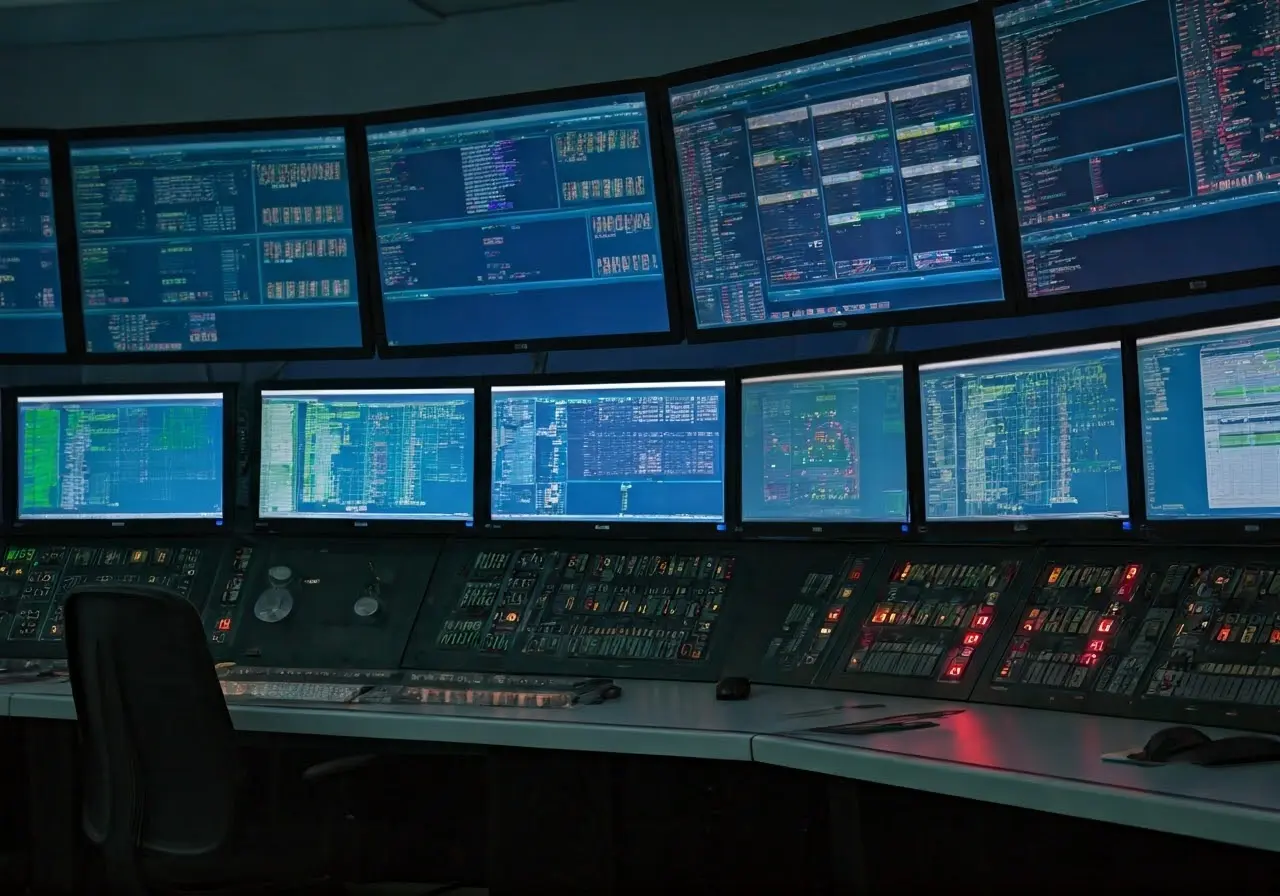
9 Tips for Maximizing the Efficiency of Your Security System
In today’s world, having an efficient security system is more important than ever. Whether it’s protecting your home or your business, ensuring your system is operating at its best can provide peace of mind. Here are some practical tips to help you make the most out of your security setup.
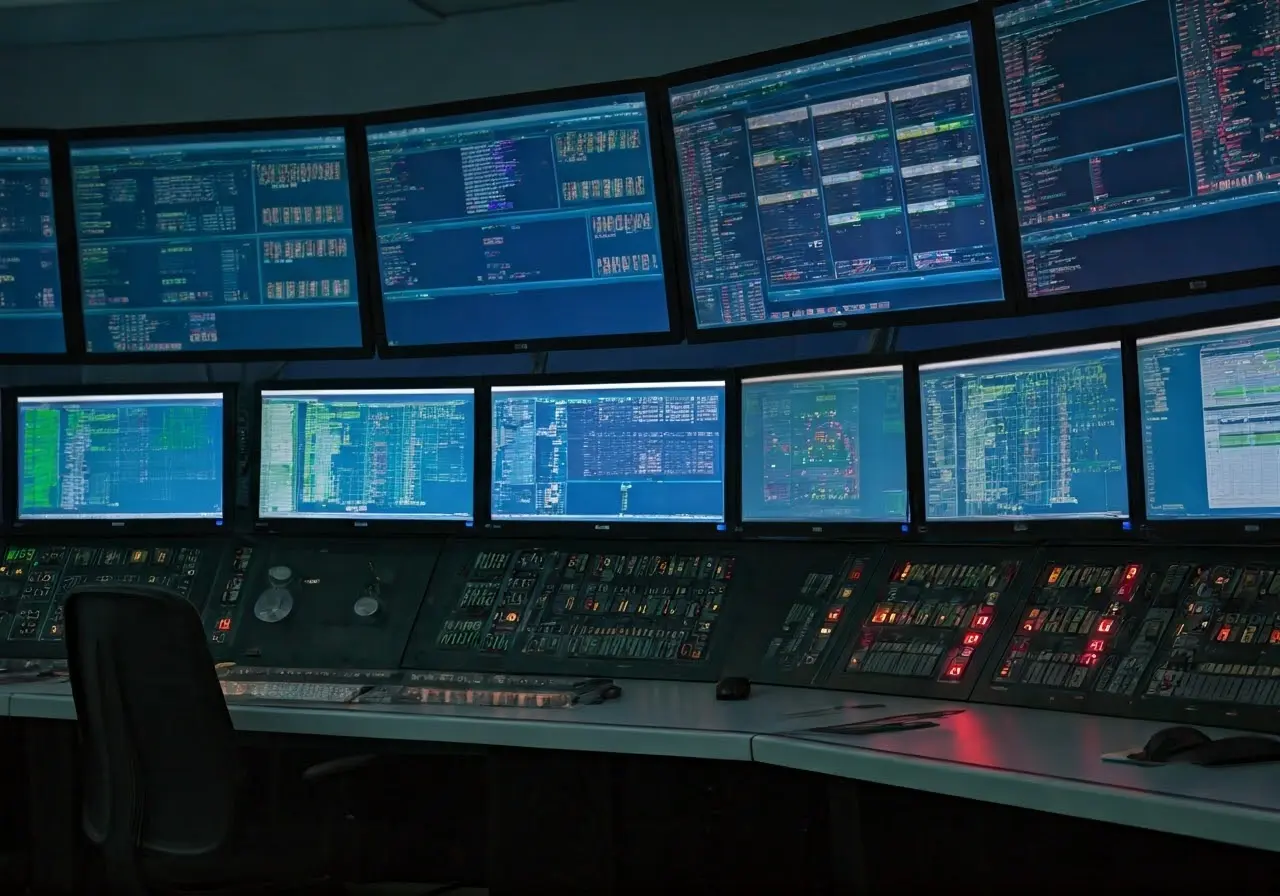
1. Regular System Updates
Keeping your security system updated ensures you have the latest features and fixes any vulnerabilities. Regular updates from your provider help in maintaining optimal performance and protection. Many homeowners neglect this simple yet crucial step, risking exposure to potential security threats. Software and firmware updates are essential because outdated systems leave gaps open for hackers to exploit. According to recent findings, a significant percentage of data breaches occur due to unpatched software vulnerabilities 5 Simple Tricks to Increase Your Security System’s Efficiency.
To streamline this process, consider setting up automatic updates. This ensures you never miss an important update and your system remains secure. Automatic updates not only save time but also provide the peace of mind that your security system is consistently in line with the latest technological advancements.
2. Strategically Placed Cameras
Positioning your cameras in high-traffic areas and entry points maximizes their coverage. This strategic placement ensures that you capture essential footage and deter potential intruders. The visibility of cameras can act as a powerful deterrent; studies have shown that many burglars avoid homes with prominent security cameras. Consider the advice from 6 Important Home Security Tips which emphasizes installing cameras in areas with high visibility as a frontline deterrent.
In addition to placement, ensure that your cameras have a clear view, without obstructions such as plants or outdoor furniture. Regularly check camera angles and image quality to ensure optimal surveillance, crucial for both deterrence and evidence capturing.
3. Optimize Sensor Sensitivity
Adjusting the sensitivity settings on your motion sensors can prevent false alarms while ensuring genuine threats are detected. Balance is key to effective monitoring. An overly sensitive system might trigger alarms at the slightest movement, causing frustration and reducing the reliability of your security alerts.
Test different sensitivity settings during various times of the day to find the right balance. For businesses, this may require adjustments based on operation hours, while homes might require less sensitivity during the day and increased sensitivity at night.
4. Test Your System Regularly
Conducting regular tests of your system components guarantees they are functioning correctly. Regular testing helps to identify and address any potential issues before they can be exploited. Test your entire system by simulating a breach and monitor how different parts respond. This will not only reveal any weaknesses but also familiarize you with the functionality of features you might rarely use.
Additionally, conducting routine practice tests can be reassuring for homes with children, teaching them what to do in case of an actual breach. Experts recommend doing system checks monthly; however, adjusting this frequency as per personal requirements and system complexity is wise.
5. Integrate Smart Home Features
Linking your security system with smart home features can enhance its efficiency. With smart technology, you gain remote access, control, and monitoring, improving your overall security. Integrating your security system with features such as smart locks and lights can automate security measures as covered in the article 5 Perks of a Home Automation System.
Consider the benefits of controlling your security system remotely— you’ll be able to engage and disengage the system abroad, quickly respond to alerts, or even set schedules for different security measures. The convenience of remote access allows maintaining security without being physically present.
6. Enhance Security with Lighting
Strategic lighting reduces the likelihood of intrusions by eliminating dark spots around your property. Well-lit areas make it difficult for potential intruders to approach unnoticed. Optimal lighting arrangements at front and back entryways, along driveways, and near windows are particularly effective.
Install motion-activated lights that illuminate when movement is detected. This not only saves on electricity costs but also heightens security by startling and exposing an impending threat. Even more effective, integrate these light systems with your security cameras to optimize the visibility of recorded footage.
7. Educate Your Household
Ensuring everyone in your household understands how to use the security system enhances its efficiency. Proper education reduces the chances of accidental false alarms and helps in maintaining system integrity. Hold regular briefings on what to do if an alarm is triggered, how to arm or disarm the system, and who to contact in emergencies.
Practice routines with your family to develop a muscle memory response—particularly with younger children or elderly family members, for whom high-pressure scenarios can be overwhelming. A coordinated response plan increases the effectiveness of your system while reducing panic during actual security events.
8. Choose Reliable Providers
Working with reputable providers ensures you get quality products and support. A reliable provider keeps your security system in top shape and delivers necessary maintenance when needed. Opt for companies with a proven track record and positive customer feedback. Leveraging expert guidance can help avoid unexpected system failures, providing ongoing peace of mind.
9. Stay Informed on New Trends
Keeping up with the latest security trends and technologies allows you to adapt and upgrade your system when necessary. Being informed helps you remain one step ahead of potential threats. Follow updates and developments in security on platforms like CO-DA for practical insights, spotlighted in 8 Tech Services for Seamless Smart Building Integrations.
Attend webinars, and read industry articles or blogs to continuously elevate your system. Having a proactive approach keeps your security setup agile and ready to integrate new advancements that could offer enhanced protection mechanisms.