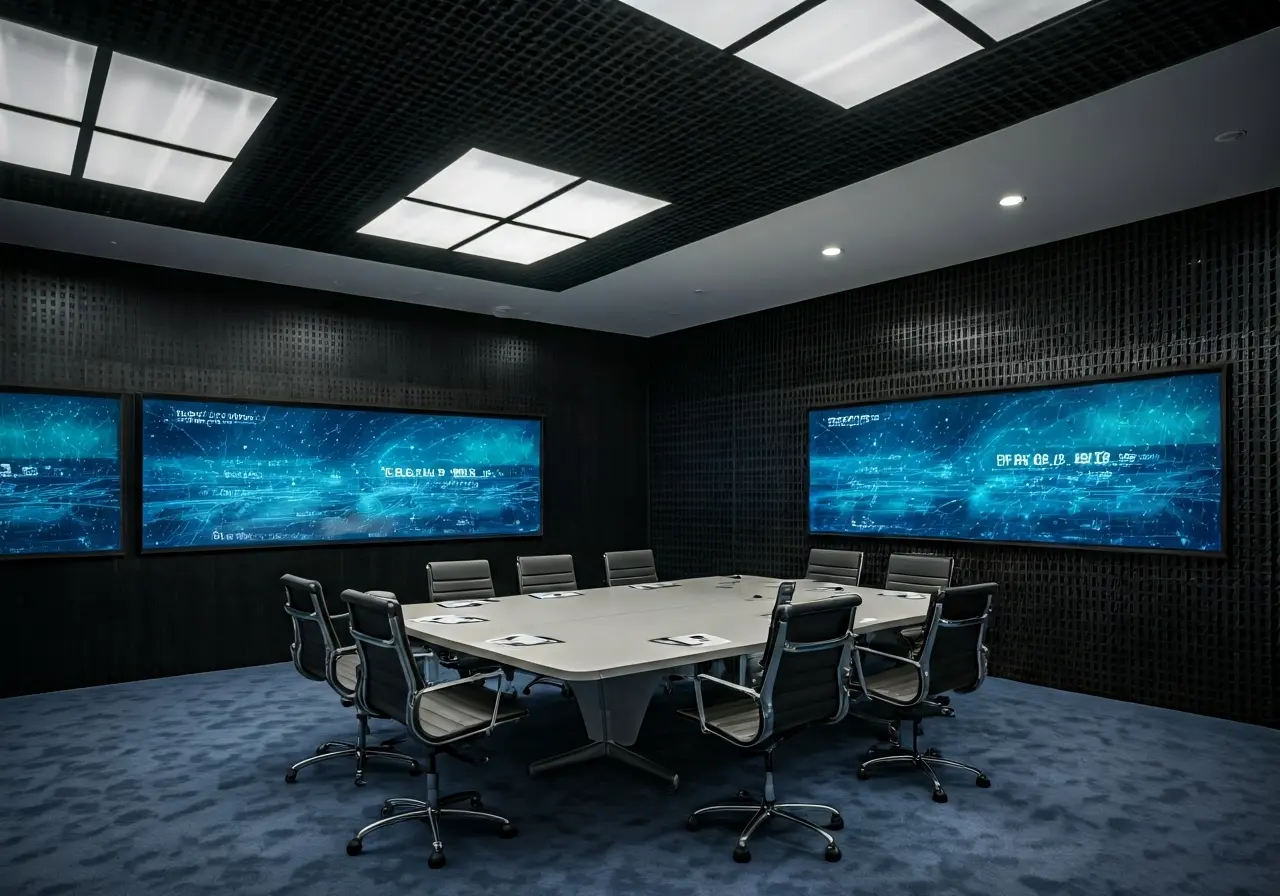
Revolutionizing Meetings: A Guide to Modern Conference Systems
In today’s fast-paced world, effective communication is more important than ever. As businesses strive to keep up with technological advancements, modern conference systems have become indispensable. These systems are designed to streamline communication, enhance collaboration, and ensure that meetings run smoothly. In this guide, we’ll explore how these innovative solutions are transforming the way we conduct meetings.
The Evolution of Conference Systems
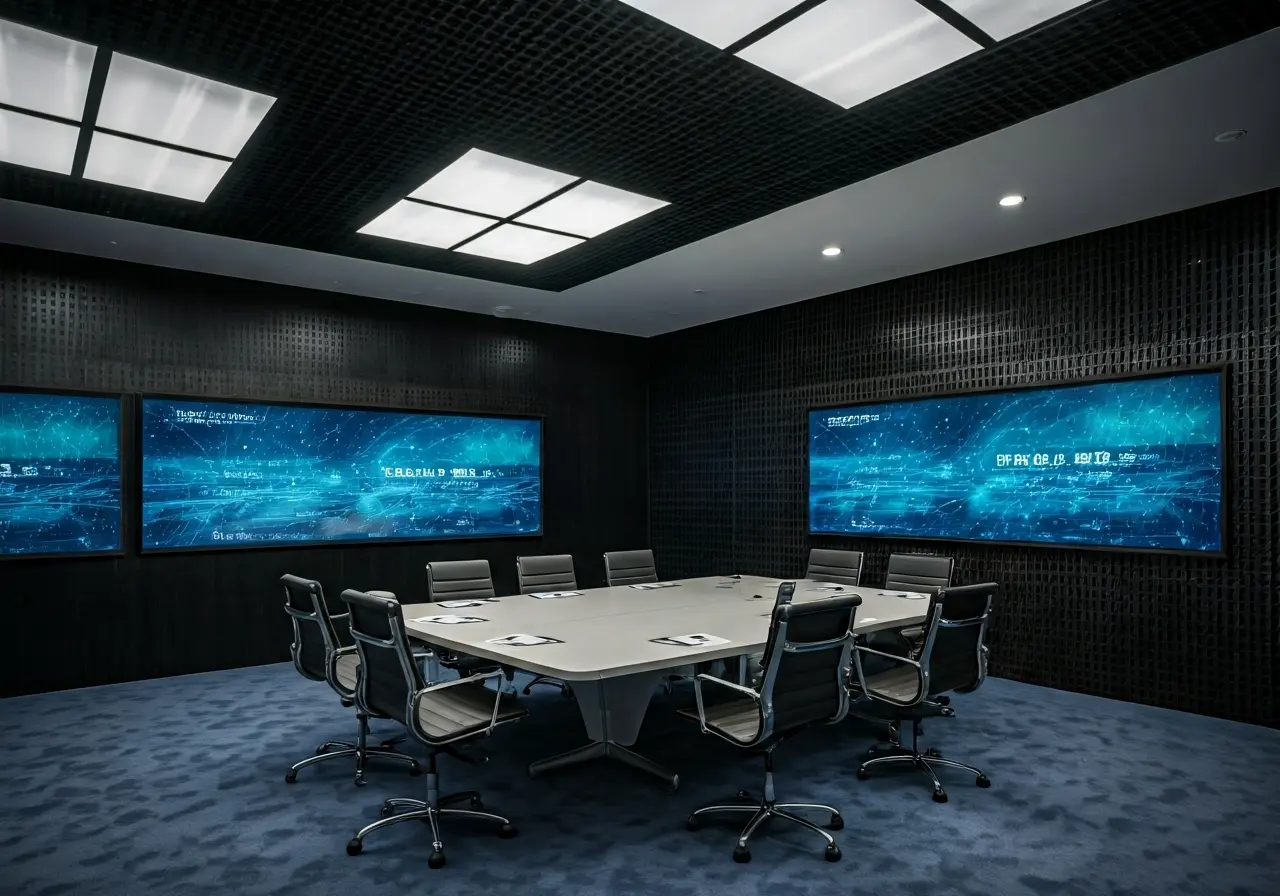
Conference systems have come a long way from simple phone calls to sophisticated platforms that integrate audio, video, and collaboration tools. Understanding this evolution helps us appreciate the capabilities of modern solutions.
In the past, the typical conference call was an audio-only affair, limited by poor sound quality and frequent interruptions. However, with the advent of technology, we’ve witnessed a remarkable transformation in how meetings are conducted. Early innovations like video conferencing paved the way for a more visual and interactive experience. As technology advanced, integrated systems started to offer seamless multi-platform connectivity, allowing remote participants to engage fully. These developments have fundamentally changed the way businesses operate, providing a more cohesive and dynamic way for teams to collaborate.
The role of digital transformation in the evolution of conference systems cannot be underestimated. Digital tools have enabled organizations to conduct seminars, training sessions, and global conferences effortlessly, breaking the barriers of geography. This has created a more inclusive environment where diverse ideas can flourish, ensuring that all voices are heard. The transition from analog to digital has not only enhanced the quality of communication but also fostered an environment of innovation, crucial for businesses aiming to succeed in today’s competitive landscape.
Key Features of Modern Conference Systems
Today’s conference systems boast a range of features such as high-definition video, real-time document sharing, and virtual whiteboards. These features are designed to facilitate seamless interactions and keep participants engaged.
One of the standout features of modern conference systems is their ability to integrate with cloud services, providing exceptional flexibility and accessibility. This integration means that team members can join meetings from virtually any device, whether they’re in the office or on the go. Another key feature is the inclusion of artificial intelligence, which assists in tasks such as automatic transcription and smart scheduling. These intelligent additions not only save time but also increase the efficacy of meetings, allowing teams to focus on what matters most.
Furthermore, security has become a paramount concern, and modern conference systems address this with robust encryption and user authentication methods. This ensures confidentiality and protects sensitive information from potential breaches. With the rise of remote working, security becomes crucial, and companies are increasingly prioritizing systems that offer reliable data protection. Technology such as end-to-end encryption guarantees that all communications remain secure, fostering trust within teams and with external partners.
Benefits of Adopting Advanced Conference Technology
Implementing modern conference systems can lead to increased productivity, reduced travel costs, and improved team collaboration. These systems help bridge the gap between remote and in-office employees, fostering a more inclusive work environment.
The adoption of cutting-edge conference systems supports agile work environments by promoting seamless collaboration. With enhanced communication tools, teams can quickly adapt to changes, discuss strategies in real time, and pivot projects as needed. This flexibility translates into better decision-making and more timely responses to market demands. By reducing the reliance on physical meetings, businesses can also significantly cut down on travel costs, saving both time and resources but also contributing to a reduced carbon footprint.
Moreover, utilizing advanced conference technology can lead to a more innovative team ethos. When employees are empowered by efficient communication tools, they can share insights and creative ideas more freely, leading to more robust brainstorming sessions and strategic planning. According to a study, team innovation increases exponentially when leveraging modern communication platforms, subsequently enhancing the overall competitiveness of the organization.
Additionally, the global reach offered by these technologies has given rise to unique opportunities for international collaboration. Businesses can now effortlessly tap into diverse markets, building relationships with partners and clients worldwide. This aspect of modern conference systems not only helps in expanding business horizons but also enables cultural exchange and mutual growth, fundamental for businesses striving for global relevance.
Choosing the Right Conference System for Your Business
Selecting the appropriate conference system depends on your organization’s specific needs. Factors to consider include the size of your team, the frequency of meetings, and the technical support available.
Identifying the needs of your business is the first step in choosing the right conference system. For smaller teams or startups, a system that offers flexibility and ease of use might be ideal, while larger corporations might prioritize scalability and integration with existing enterprise software. Additionally, understanding the platform’s compatibility with current hardware and software infrastructure ensures a smoother integration process, saving time and reducing potential disruptions.
It’s also important to evaluate the customer support and training options provided by vendors. As with any technology, there can be a learning curve, and adequate support can make a substantial difference in user adoption. Systems offering extensive training resources and responsive customer service help mitigate issues, ensuring that your team is empowered to use the platform effectively.
Overcoming Common Challenges in Conference System Implementation
While modern conference systems offer numerous benefits, their implementation can present challenges such as technical issues or user resistance. Addressing these challenges through proper training and support is crucial for a successful transition.
One of the primary challenges is ensuring that all team members are comfortable and proficient with the new system. This often requires comprehensive training programs, tailored to different levels of technological aptitude within the organization. Implementing a feedback loop where employees can share their concerns or experiences with the system can also provide insights to improve user experience and address any pain points effectively.
Technical considerations, such as internet bandwidth and network stability, can also impact the effectiveness of conference systems. Investing in robust infrastructure is essential to support high-quality audio and video streams, reducing the risk of disconnections or poor quality transmissions. Regular system updates and maintenance checks can further ensure that the platform remains in optimal condition.
Embracing the Future of Meetings
Modern conference systems are more than just a means to communicate—they are pivotal tools that reshape how teams collaborate globally. By embracing these advancements, businesses can enhance productivity, foster inclusivity, and ensure that every meeting is a success. As technology continues to evolve, staying ahead with the latest conference systems will be essential for any organization aiming to thrive in a digital world. To explore how these solutions can benefit your business, visit our homepage and learn more about our offerings.