How Power Solutions Transform Smart Homes
In today’s fast-paced world, smart homes have become increasingly popular. With the rise of these connected living spaces, power solutions play a pivotal role in enhancing functionality, efficiency, and convenience. In this blog, we’ll explore how power solutions are revolutionizing smart homes, making them more than just a trend.
Understanding Smart Home Technology
Smart home technology refers to devices and systems that can be controlled remotely or autonomously within a home. These technologies aim to make our lives easier, more efficient, and more comfortable. By integrating various aspects of your home, like lighting, heating, or security, smart homes offer a seamless living experience. The advancement of the Internet of Things (IoT) has bolstered smart home capabilities, turning ordinary appliances into sophisticated devices capable of learning and adapting to our needs. For those curious about the driving force behind such technologies, it’s the interconnectedness and communication between devices that makes everything work harmoniously.
The beauty of smart home technology lies in its adaptability. As new devices are continually introduced into the market, seamless integration becomes ever more critical. This flexibility ensures that, as homeowners’ needs evolve, their homes can evolve alongside them. By enhancing existing functionalities and introducing new capabilities, smart homes not only provide convenience but also significantly improve the quality of life. For instance, integrating voice-controlled assistants can allow us to manage home devices more intuitively, setting the stage for an effortless daily routine.
The Role of Power Solutions in Smart Homes
Power solutions are crucial for the operation of smart home devices. They ensure that all interconnected systems work seamlessly, providing reliable energy supply and management to support the growing network of gadgets. Without a stable and efficient power management system, even the most advanced smart home technology might falter. This is particularly important as homes increasingly depend on automation. Modern power solutions have been designed to anticipate this demand, offering not just reliable energy supply but also smarter ways of distribution and utilization.
Moreover, innovative power solutions minimize downtime by efficiently managing electricity loads and ensuring continuous operation during power outages through backup solutions such as batteries or generators. They can even predict peak usage times and adjust the energy distribution accordingly, ensuring all systems remain functional while minimizing energy waste. Such innovations in power management are not just technical achievements but foundational to the modern smart home paradigm.
Enhancing Energy Efficiency
Advanced power solutions contribute to significant energy savings by optimizing the way energy is distributed and consumed. Smart energy management systems can monitor usage and recommend ways to conserve energy, ultimately lowering utility bills. Homeowners can benefit from real-time data analytics, which provide insights into their energy consumption patterns. This data can inform them about the most energy-consuming devices and suggest off-peak hours for appliance use. The ultimate goal is to create a more sustainable, cost-effective living environment.
Power solutions, such as smart thermostats and energy-efficient LED lighting, play a substantial role in reducing energy footprint. For example, smart thermostats adjust heating and cooling systems based on occupancy and personal preferences, resulting in less energy wastage. In a similar vein, LED lighting reduces power consumption without compromising on brightness or quality. These improvements reflect a broader trend towards more conscious and sustainable energy usage within smart homes.
Boosting Home Security
With smart security systems, power solutions ensure that cameras, sensors, and alarms function efficiently. Even in power outages, backup power options guarantee continuous monitoring, keeping homes secure at all times. The growing sophistication of digital locks and surveillance cameras means a continual need for reliable power. Security systems often include features like motion detection and real-time alerts, ensuring homeowners are promptly notified of any suspicious activity, thereby enhancing the overall sense of safety and peace of mind.
Furthermore, integrating smart power solutions can allow homeowners to remotely control and monitor security setups from anywhere in the world. This capability not only lets them respond swiftly to potential threats but also reassures them of their home’s security even when they are away. Such advancements have rendered traditional security methods obsolete, paving the way for more proactive and intelligent home protection strategies.
Promoting Sustainability
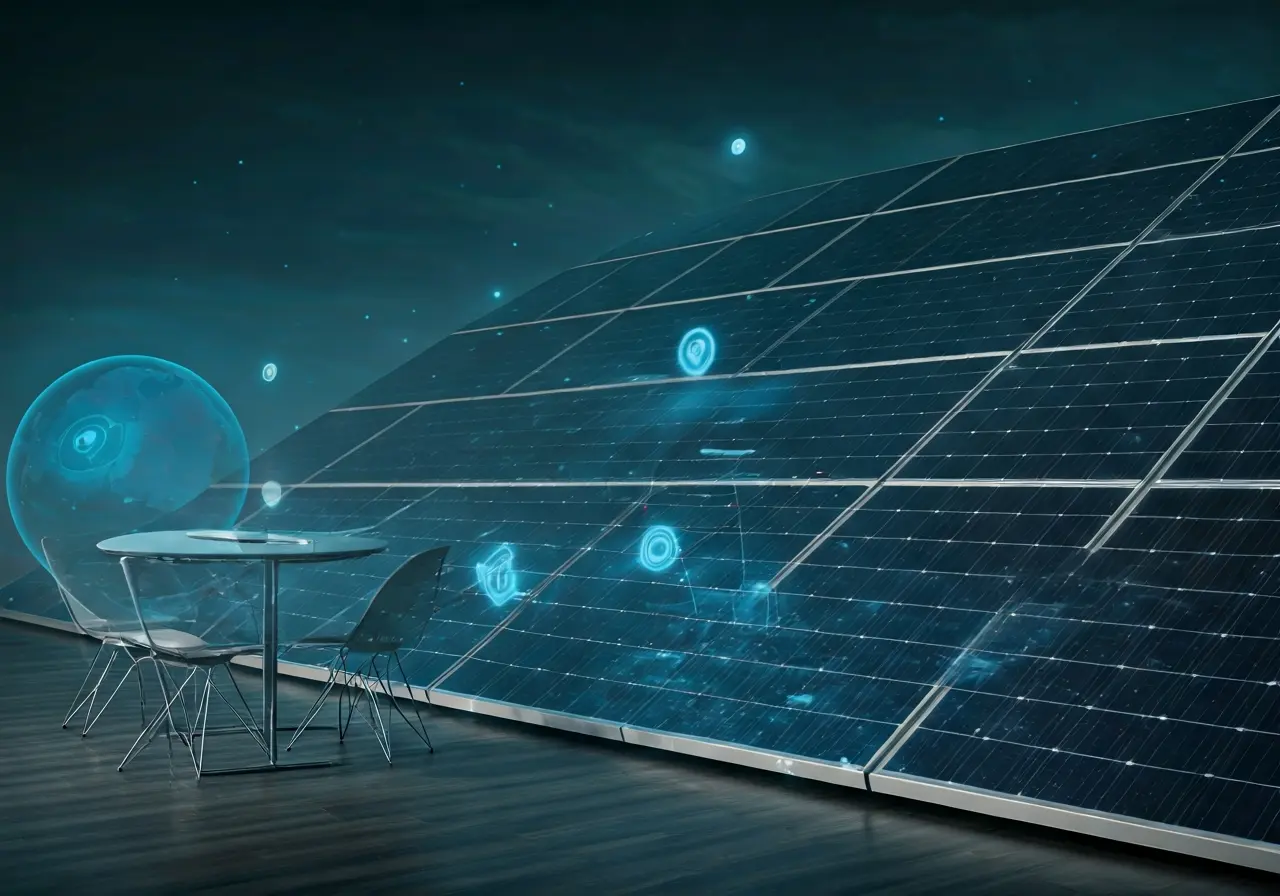
Sustainable power solutions, such as solar panels and energy storage systems, reduce the carbon footprint of smart homes. These solutions harness renewable energy sources, aligning with eco-friendly living goals. By integrating these technologies, homeowners can embrace a greener lifestyle without sacrificing comfort or convenience. For instance, energy storage systems can temporarily store excess solar energy generated during the day for later usage, ensuring that the home maintains a constant power supply even when the sun isn’t shining.
The drive towards sustainability in smart homes also includes the integration of water-saving technologies and waste-reducing practices. These environmentally conscious initiatives complement energy-efficient power solutions by promoting overall resource conservation. As our society increasingly seeks sustainable solutions, the modern smart home not only represents technological convenience but also a commitment to a healthier planet.
Overcoming Challenges in Power Management
Despite the advantages, smart homes face challenges in power management. Addressing issues such as compatibility between devices and ensuring robust cybersecurity are essential for maintaining a seamless smart home experience. For instance, with so many devices communicating with each other, potential vulnerabilities could arise, making it crucial to integrate comprehensive security measures. Additionally, the diverse array of smart home gadgets demands power solutions that can accommodate varying energy requirements, which can be a complex task.
Thankfully, innovative solutions are being explored and implemented to tackle these challenges. Companies are developing universal standards for device interoperability that can significantly simplify home automation setups. Cybersecurity strategies are concurrently advancing to protect homeowners from potential threats, ensuring data privacy and the integrity of smart home networks. Overcoming these challenges is imperative for the sustainable growth and trust in smart home technologies.
Embracing the Future of Smart Living
Incorporating innovative power solutions into smart homes has the potential to drastically change our living environments. From energy efficiency to enhanced security and sustainability, the benefits are abundant. As technology continues to evolve, the future of smart homes looks brighter and smarter thanks to advanced power solutions. Start embracing these changes now to create a truly future-proof living space – visit our homepage to learn more!