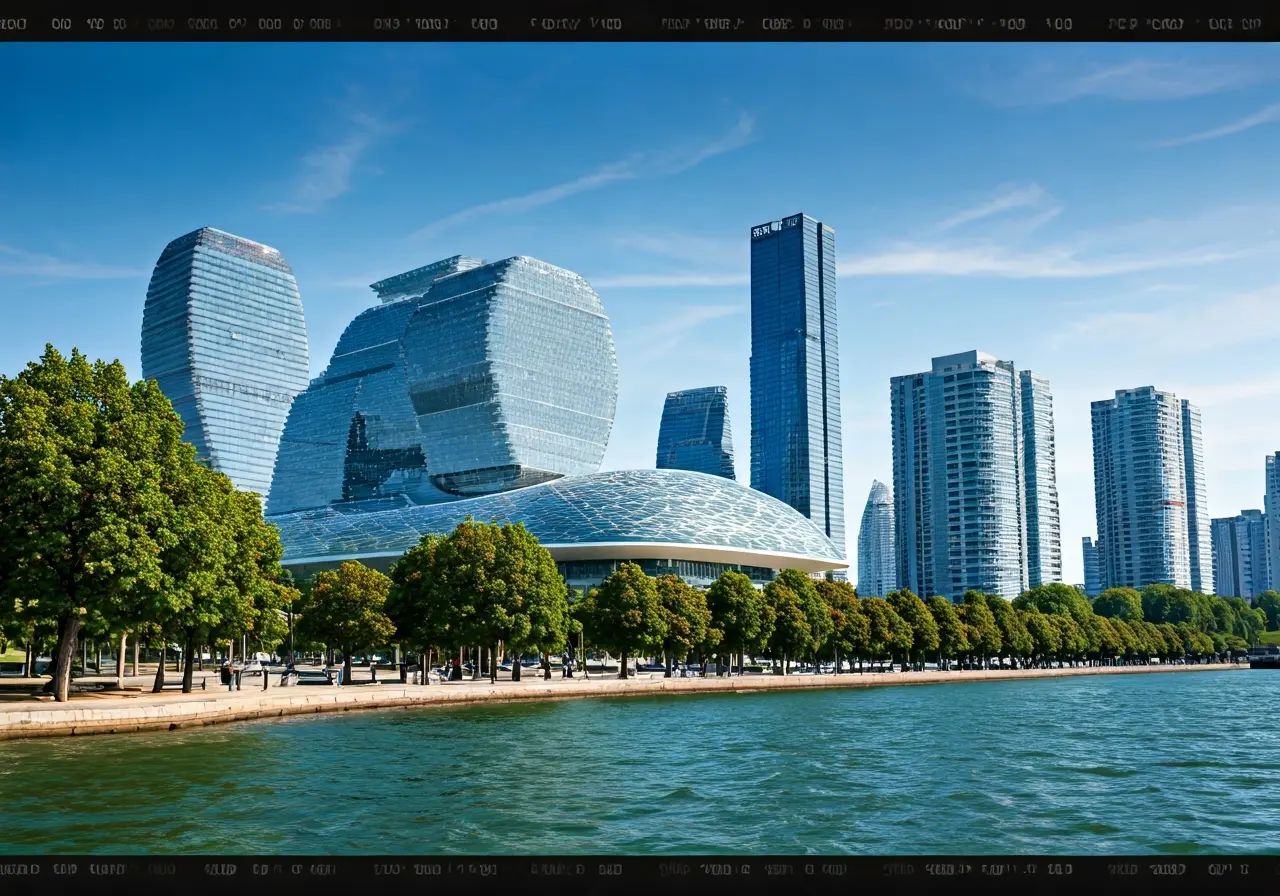
12 Reasons Why Smart Buildings Are the Future of Technology
As technology continues to evolve at a rapid pace, the concept of smart buildings is emerging as a prominent trend in the architectural and technology sectors. These advanced structures are no longer just about shelter—they are about transforming our living and working environments to be more efficient, sustainable, and comfortable. In this blog, we’ll explore the compelling reasons why smart buildings represent the future of technology.
1. Enhanced Energy Efficiency
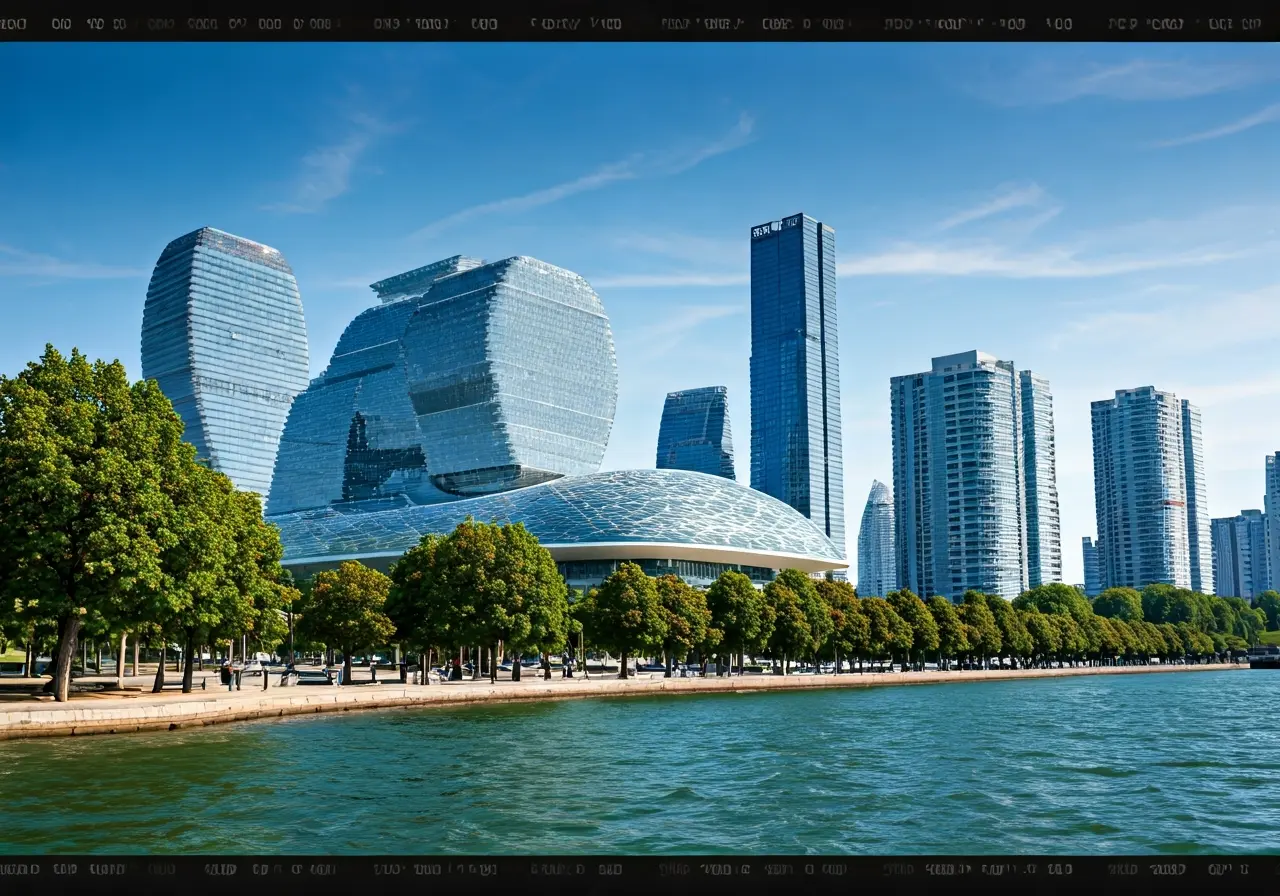
Smart buildings use cutting-edge technology to monitor and optimize energy use. This not only reduces costs but also significantly lowers the environmental footprint of these structures. By employing systems that learn and adapt to usage patterns, these buildings adjust energy consumption dynamically. For instance, automated lighting systems can dim or brighten based on occupancy or the time of day, drastically cutting unnecessary usage. Such innovation makes these structures not just energy-efficient but environment-friendly too.
Furthermore, smart buildings employ smart grids and energy storage systems to harness renewable energies like solar, contributing to a substantial decrease in reliance on conventional power sources. This integration allows for better demand response and energy savings. When coupled with real-time analytic tools, property managers can receive insights on energy usage patterns and make informed decisions to optimize consumption further.
2. Improved Air Quality Monitoring
With integrated air quality sensors, smart buildings ensure that air inside remains clean and healthy, automatically adjusting ventilation systems to enhance indoor environments. These systems constantly monitor air quality indicators such as carbon dioxide levels, temperature, and humidity, tweaking the settings to improve breathing conditions for occupants.
This proactive approach to air quality management not only promotes the health and well-being of the occupants but also enhances productivity by providing optimal working conditions. Smart buildings are equipped with HEPA filters and ventilation systems, which helps in filtering out pollutants and allergens more effectively, making the air safer and healthier.
3. Advanced Security Systems
Smart technology enables buildings to have advanced security systems, using facial recognition, biometric access, and real-time surveillance to offer unparalleled safety. With these features, unauthorized access can be promptly flagged and actioned, thus enhancing the overall security profile.
Additionally, these systems can be integrated with emergency response services, ensuring quicker action in case of a breach. The ability to monitor and manage building security remotely offers peace of mind to both property owners and occupants, allowing for a responsive and comprehensive approach to safety.
This advance in security systems also allows for predictive threat analysis, wherein potential security threats can be identified and neutralized before causing any damage, thus challenging conventional security protocols and ushering in a new era of building safety.
4. Maximized Space Utilization
Through the use of sensors and data analytics, smart buildings can optimize space utilization, offering flexible configurations based on real-time data about how space is used. These technologies can help identify underutilized areas, allowing property managers to turn them into productive spaces.
By analyzing trends in usage patterns, such as busy periods in communal spaces, adjustments can be made to enhance capacity and comfort. This allows smart buildings to be adaptable, forming and reforming spaces to cater to the evolving needs of its occupants, thus leveraging each square foot for maximum utility.
5. Predictive Maintenance
Smart buildings can anticipate maintenance needs through predictive algorithms, ensuring that issues are resolved before they become major problems. This proactive approach reduces downtime and increases the lifespan of building systems by preventing small issues from escalating.
Data from sensors installed in various components of the building can alert facility managers to impending failures. For instance, measuring vibrations in HVAC systems can predict potential malfunctions, allowing for timely intervention. This shift from reactive to predictive maintenance ensures continuity and efficiency in building operations.
6. Increased Occupant Comfort
With customizable environments that adjust to individual preferences for lighting, temperature, and more, smart buildings enhance occupant comfort and productivity. These personal environment settings cater to the unique needs of individuals, offering a living or working space tuned perfectly to personal comfort levels.
Smart buildings are also equipped with intelligent climate control systems that maintain ideal conditions and improve overall building comfort. Occupant feedback collected through smart interfaces contributes to optimizing these conditions, ensuring comfort is continuously maintained.
Moreover, these buildings incorporate advanced soundproofing solutions, making sure that noise pollution is minimized, further contributing to the serenity and comfort of the environment.
7. Reduced Operational Costs
Automated systems in smart buildings can significantly lower operational costs by efficiently managing energy and resources through intelligent decision-making. By automating mundane tasks like temperature control and lighting, energy waste is minimized, leading to notable savings.
Overall, smart buildings capitalize on resource-efficient technologies, smart algorithms, and data analytics to streamline operations and reduce overheads, marking their significance as the future hallmark of cost-effective property management.
8. Integration with Renewable Energy
Smart buildings seamlessly integrate with renewable energy sources, managing and storing green energy from solar panels and other sustainable technologies. By coordinating with these energy systems, smart buildings can optimize their power usage both effectively and sustainably.
This integration ensures that energy harnessed from renewable resources is done so at optimal times and stored efficiently, making the building self-sufficient and decreasing reliance on non-renewable energy. The adoption of smart technology can lead the way in incorporating solar and wind power into urban infrastructure.
9. Remote Monitoring and Control
Smart technology allows building systems to be monitored and controlled remotely, providing convenience and efficiency for building managers and occupants alike. This capability means adjustments can be made at any time from virtually anywhere, optimizing resource use and enhancing response times.
With the ability to monitor systems remotely, potential issues can be flagged and addressed quickly, ensuring that everything runs smoothly and efficiently without the need for constant on-site supervision. This feature not only offers peace of mind but also substantially enhances operational agility.
10. Data-Driven Decision Making
By collecting and analyzing data, smart buildings enable informed decision-making that enhances performance, efficiency, and occupant satisfaction. This data-driven approach provides insights into various facets of building management, from energy usage to security needs.
The ability to take data from disparate systems and create a holistic view means that decision-makers have the information required to improve a wide range of building outcomes, ensuring the building continues to meet or exceed its operational goals efficiently.
11. Connectivity and the Internet of Things
Smart buildings embrace the Internet of Things (IoT), connecting devices and systems to create a cohesive, intelligent environment that anticipates and meets needs. This connectivity ensures that all systems work in synergy, communicating with each other to provide real-time adjustments and updates.
IoT-enabled buildings can also continually adapt to changing conditions, such as weather shifts or occupancy changes, automatically fine-tuning systems for peak efficiency. This interconnectedness forms the backbone of modern smart buildings, creating environments that are intelligent and responsive.
12. Supporting Sustainability Goals
With their focus on efficiency and resource management, smart buildings are vital in helping cities and organizations meet their sustainability goals and reduce their carbon footprint. By prioritizing sustainable practices within their building framework, they set the standard for eco-friendly architecture.
The integration of advanced technologies which minimize resource use, optimize energy consumption, and manage waste streams effectively ensures that these buildings serve as beacons of sustainable development, influencing future construction practices and supporting broader environmental goals.