The Future of Smart Buildings with Integrated Power Solutions
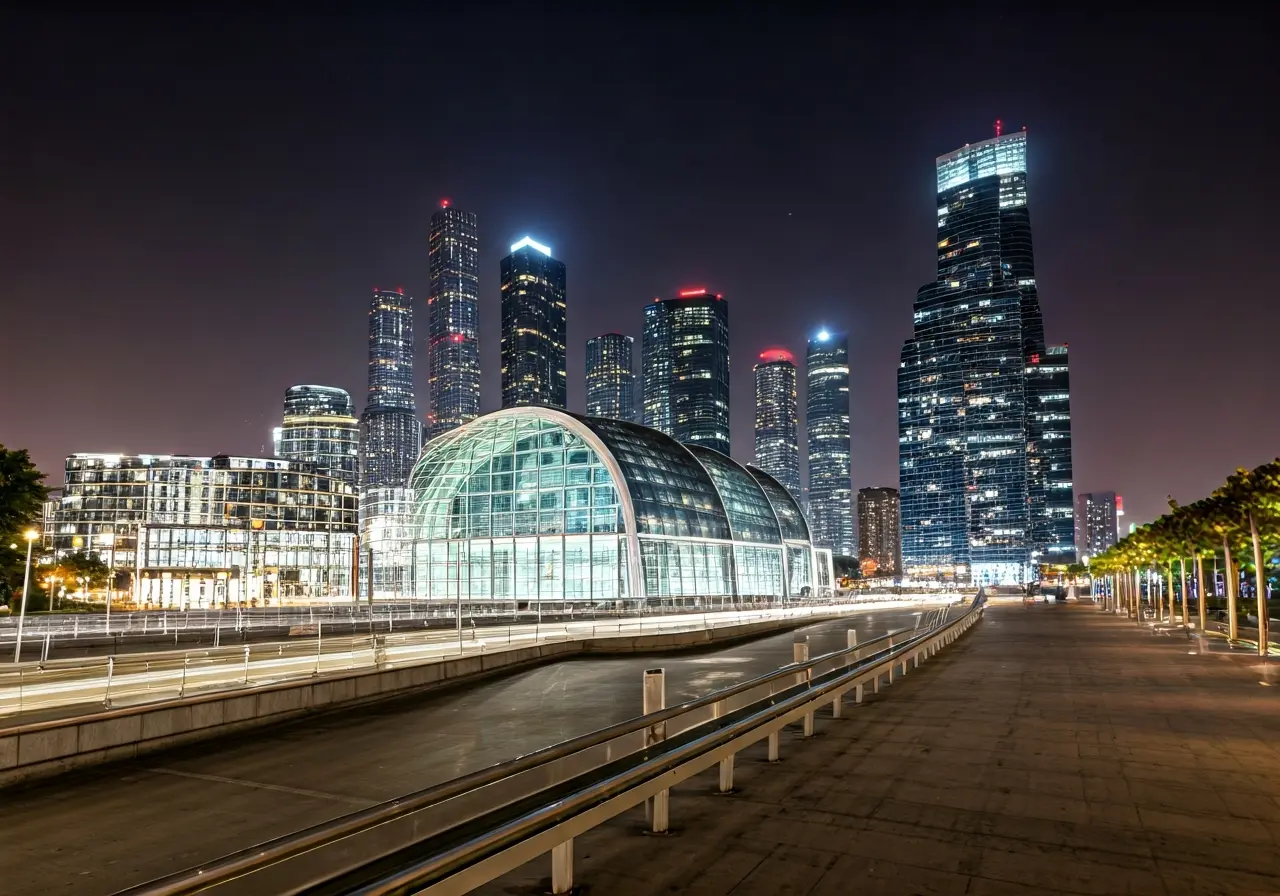
As cities grow and technology advances, the concept of smart buildings is becoming more of a reality than a distant dream. Smart buildings promise efficiency, sustainability, and adaptability, addressing modern urban challenges. At the heart of this evolution are integrated power solutions that offer a seamless blend of energy efficiency and cutting-edge technology.
Understanding Smart Buildings
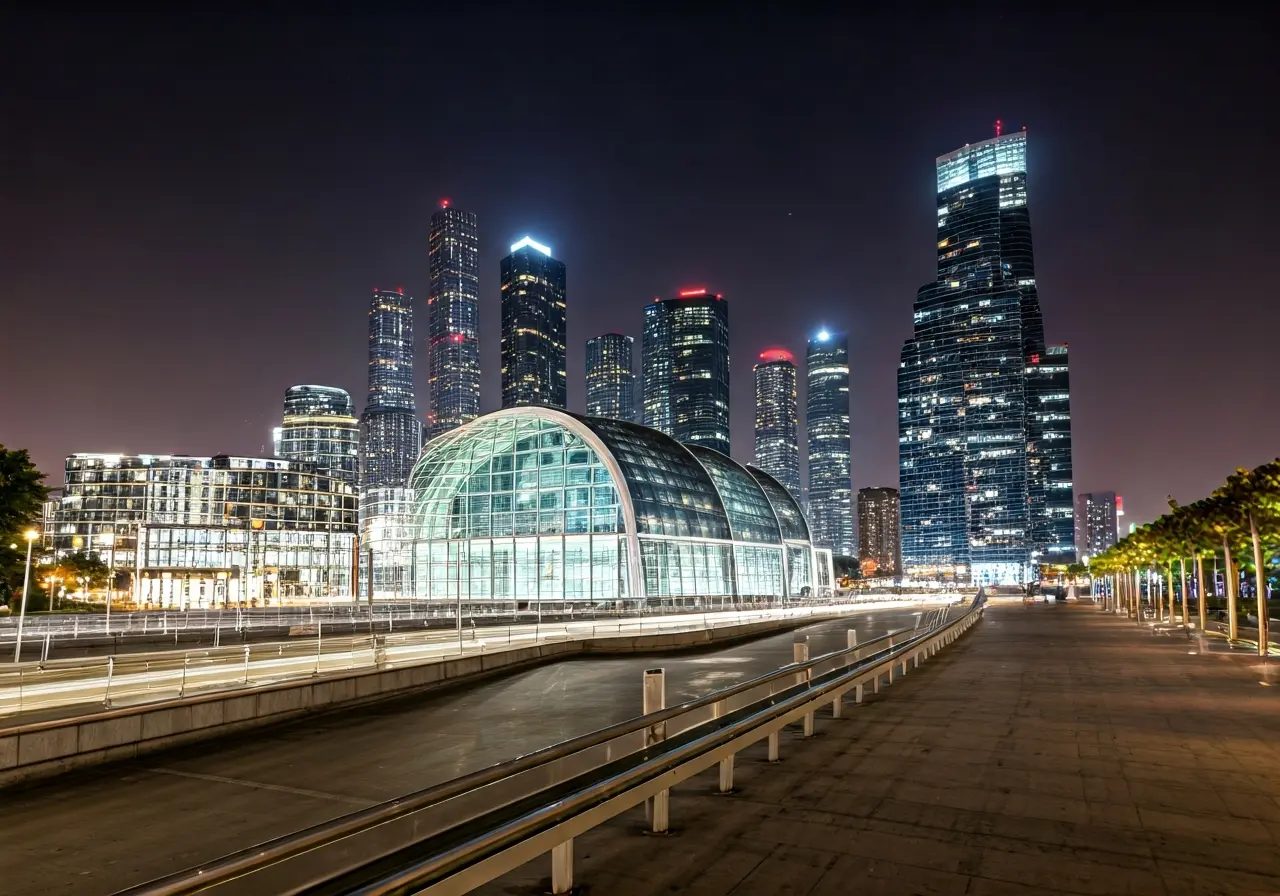
Smart buildings utilize advanced technological systems to enhance operational efficiency and user experience. By integrating IoT devices, sensors, and automation, these structures revolutionize how we interact with our environment.
The core of a smart building lies in its ability to process and respond to data collected from a myriad of sensors. These sensors monitor everything from temperature and lighting to occupancy and air quality. By gathering and analyzing this data, smart buildings can optimize their systems in real time, creating a dynamic environment that adjusts to the occupants’ needs. This adaptability ensures not only comfort but also a reduction in unnecessary energy consumption, aligning with sustainability goals.
Beyond comfort and efficiency, smart buildings also offer a layer of security and convenience. Automated security systems can identify potential threats, while smart access controls offer personalized and secure entry to different areas within buildings. Moreover, the integration of smart technology enables predictive maintenance, reducing downtime and extending the lifespan of building equipment. This holistic approach integrates several facets of building management, paving the way for a significant transformation in how we design and use spaces.
The Role of Integrated Power Solutions
Integrated power solutions streamline the energy consumption of smart buildings. They combine various energy sources and management systems to ensure optimal energy use, reducing waste and enhancing sustainability.
One notable aspect of integrated power solutions is their ability to harness renewable energy sources. Solar panels and wind turbines are increasingly becoming a part of building designs, turning them into micro-power stations. With smart energy management systems, these renewable inputs are seamlessly integrated into the building’s energy grid, maximizing efficiency. Additionally, these systems allow for peak shaving, where energy consumption is minimized during high-demand periods, reducing strain on public power grids and lowering costs.
Energy storage solutions form another critical component of integrated power systems. By leveraging advanced battery technologies, buildings can store excess energy generated during low-demand periods and use it when demand peaks. This not only ensures a consistent power supply but also mitigates the impact of energy price fluctuations. As battery technologies continue to evolve, their efficiency and storage capacities increase, making them a vital part of the energy solution puzzle for smart buildings.
Innovations in Energy Management
With the advent of smart grids and renewable energy integration, energy management in buildings is evolving rapidly. This section explores innovative approaches like demand response, energy storage, and decentralized energy systems.
Demand response allows buildings to communicate with the energy grid, adjusting their energy consumption patterns based on grid conditions. This innovation not only aids in balancing supply and demand but also rewards participants financially. During high-demand periods, buildings can reduce their energy use or switch to stored energy, significantly decreasing their energy costs. This not only results in operational savings but also contributes to the stability of the larger energy grid, promoting reliability and sustainability.
Decentralized energy systems are transforming the landscape of energy management. By producing and consuming energy locally, buildings reduce their reliance on centralized power plants. This shift leads to decreased transmission losses and a reduced carbon footprint. Technologies like combined heat and power (CHP) and microgrids empower buildings to become more self-sufficient, fostering increased resilience against external energy supply interruptions. Such a decentralized approach is crucial in urban areas where power reliability is paramount.
Benefits of Smart Power Systems
Smart power systems offer numerous advantages, including reduced operational costs, enhanced energy efficiency, and improved occupant comfort. These benefits make a compelling case for investing in smart building technologies.
One of the most significant advantages of smart power systems is their contribution to reducing carbon emissions. By optimizing energy use and incorporating renewable sources, these systems help buildings achieve sustainability benchmarks. This transformation is particularly beneficial in urban areas, where buildings account for a substantial portion of greenhouse gas emissions. As cities strive to meet global climate goals, adopting smart power systems becomes a viable pathway to a greener future.
Beyond environmental impacts, occupant health and productivity also see improvements with smart power systems. Optimizing air quality and maintaining comfortable temperatures enhance the overall well-being of the people who live or work in these buildings. Such enhancements to the building environment directly contribute to increased productivity and satisfaction, generating a ripple effect that bolsters economic outcomes for businesses and building owners alike.
Overcoming Challenges
While smart buildings hold great promise, challenges such as cybersecurity, high installation costs, and technical integration must be addressed. This section delves into possible solutions and future outlooks for overcoming these hurdles.
Cybersecurity remains one of the foremost concerns in the realm of smart buildings. As buildings become increasingly connected, they also become more vulnerable to cyber threats. To address this, rigorous security protocols must be implemented from the design phase, incorporating regular updates and security audits. By prioritizing robust cybersecurity measures, stakeholders can protect critical infrastructure and sensitive occupant data, preserving the integrity and trust in smart systems.
The initial investment required for smart building technology can be daunting. However, the long-term savings achieved through energy efficiency, reduced maintenance, and operational cost savings often justify the upfront costs. Incentives and financing options from government and private sectors continue to evolve, making these investments more accessible. By exploring innovative funding solutions, stakeholders can offset initial expenditures and enjoy the long-term benefits smart buildings offer.
Embracing a Smarter, Greener Future
The future of smart buildings lies in the integration of advanced power solutions. These buildings will not only contribute to energy conservation but also enhance the quality of life for their occupants. As technology further develops, we can expect buildings to become even more intelligent, sustainable, and responsive to our needs, paving the way for a smarter, greener future.