What is AV Design and Why is it Important?
Audio-Visual (AV) Design is an integral part of many aspects of modern life, from business meetings and education to entertainment spaces. Understanding AV Design can greatly enhance our experiences in these environments. Let’s explore what AV Design actually is and why it holds such importance.

What is AV Design?
AV Design refers to the planning and integration of audio and visual systems to create comprehensive solutions for various environments.
At its core, AV Design is about creating systems that harmoniously blend technology and space to support human activities effectively. This process involves careful consideration of the environment’s acoustics, visual display types, and control mechanisms to ensure a seamless experience. Whether you’re watching a film in a home theater or participating in a virtual meeting, it’s AV Design that ensures everything looks, sounds, and feels right.
The essence of AV Design is its ability to adapt and customize according to the specific needs of different environments. From corporate offices and educational institutions to entertainment venues and public spaces, the design principles are tailored to enhance functionality, engagement, and accessibility. This adaptability makes AV Design an indispensable element of modern infrastructure.
Key Components of AV Design
The primary components of AV Design include audio systems, visual displays, control systems, and the spatial arrangement to optimize user experience.
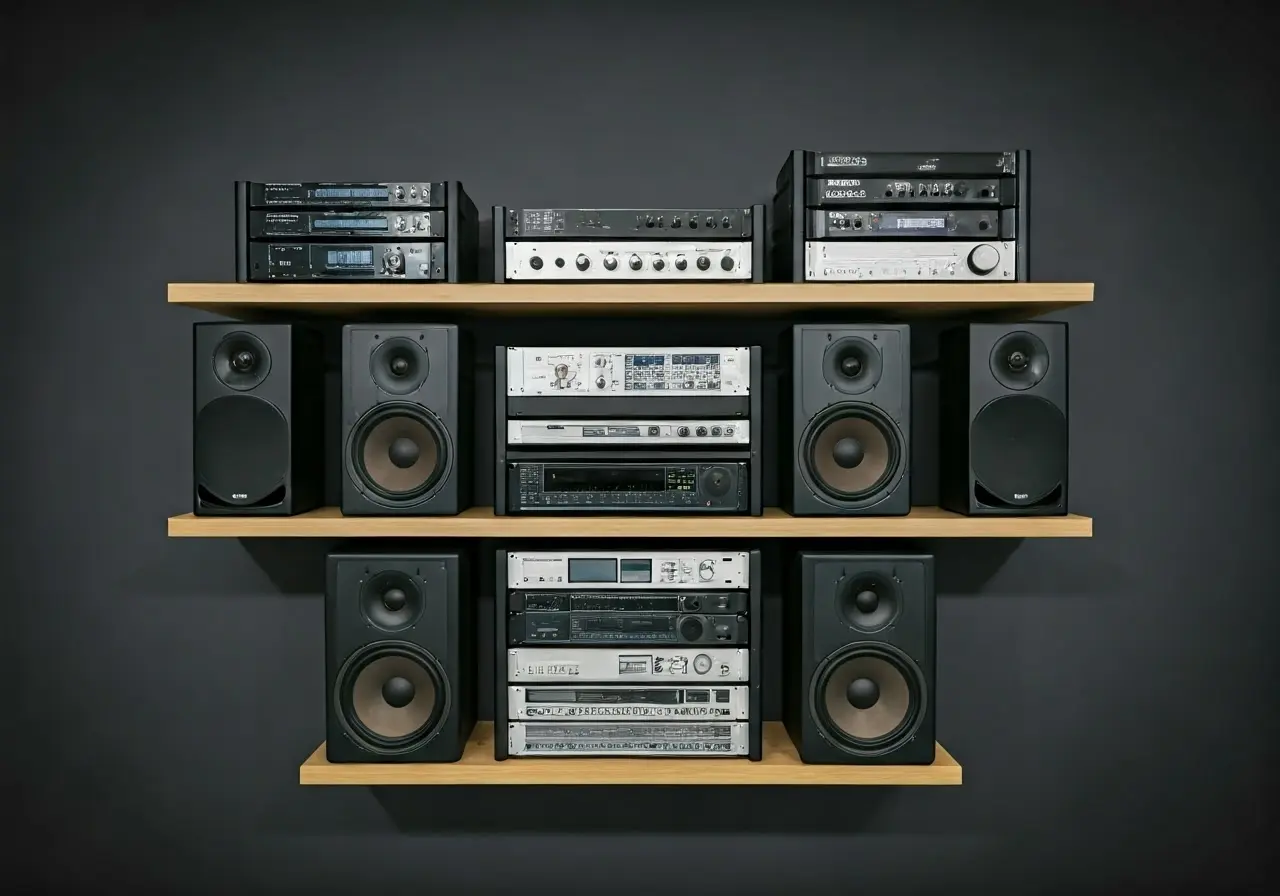
Audio systems in AV Design are crucial for delivering clear and consistent sound across various settings. These systems often consist of microphones, speakers, amplifiers, and processors that work together to ensure optimal audio delivery. Visual displays, on the other hand, can range from projectors and LED screens to interactive whiteboards, serving different purposes based on the intended use and audience size.
Control systems are the backbone of AV Design, enabling users to manage various devices efficiently. These systems consolidate controls into user-friendly interfaces, allowing for intuitive operation of lighting, sound, and displays—all from a single point. Such integration not only simplifies management but also enhances the overall ambiance of the environment.
The Importance of AV Design in Business
In business settings, effective AV Design enhances communication, facilitates remote collaboration, and improves the efficiency of presentations.
With AV integration, businesses can foster seamless communication, whether it’s within a local office or across the globe. High-quality audio and visual tools overcome geographical barriers, enabling teams to engage in productive discussions and decision-making processes. Moreover, AV Design can help maintain consistent branding and professionalism in client presentations, leaving a lasting impression.
The interactivity brought by modern AV Design elements, such as digital whiteboards and video conferencing, has transformed corporate environments. It makes meetings more dynamic and memorable while also promoting collaborative ideation and strategy development. As companies continue to prioritize connectivity, the integration of these systems becomes more than just an enhancement; it becomes a necessity.
Investing in AV Design also aligns with business goals like cost-effectiveness and sustainability. Technologies such as energy-efficient lighting and automated control systems reduce operational costs, contributing to both financial savings and environmental responsibility. This dual benefit underscores the strategic importance of AV Design for modern businesses.
The Role of AV Design in Education
AV Design in education transforms learning environments, making them more interactive and engaging, supporting better information retention for students.
Classrooms equipped with interactive AV tools enable educators to move beyond traditional teaching methods. By incorporating elements like digital projectors and interactive displays, lessons can become immersive experiences that capture students’ attention and encourage active participation. This shift not only enhances understanding but also helps in retaining knowledge more effectively.
Furthermore, AV Design supports a more inclusive learning environment by accommodating various learning styles and needs. Through features like captioning and recording capabilities, students who might struggle with conventional methods find alternative ways to engage with the material, paving the way for a holistic educational experience.
In higher education, AV Design empowers universities to offer virtual classrooms and lectures, catering to a broader audience beyond traditional boundaries. This accessibility fosters a diverse learning community and opens doors to global educational opportunities that were previously unfeasible.
AV Design in Entertainment Spaces
In entertainment, AV Design enhances audience experience in theaters, concert halls, and at home, by delivering high-quality audio and visual stimuli.
Entertainment spaces leverage AV Design to create spectacular experiences for audiences. Dynamic sound systems and vibrant visual displays work together to immerse guests fully, whether they’re watching a film, attending a concert, or enjoying a live performance. The precision and clarity of expertly designed AV systems ensure that every note is heard and every scene is striking.
For home entertainment, AV Design transforms living spaces into personalized media hubs. Tailored installations provide cinema-quality experiences, allowing viewers to enjoy their favorite content in comfort and style. These systems can seamlessly integrate with smart home technologies, allowing users to control their entertainment setup effortlessly through voice commands or apps.
Furthermore, as technologies like augmented reality and virtual reality advance, entertainment venues are poised to offer even more interactive and captivating experiences. These innovations promise to redefine entertainment spaces, keeping audiences engaged and coming back for more.
The Future of AV Design
As AV technology evolves, its future promises increased interactivity and enhanced user experiences across various sectors. The integration of AI and IoT with AV systems is paving the way for smarter environments that adapt to user preferences automatically.
Future innovations may include more intuitive interfaces that allow for voice or gesture controls, making the operation of AV systems even more seamless. Such developments are expected to further blur the lines between physical and digital spaces, offering new possibilities for learning, entertainment, and communication.
The role of AV Design will continue to expand as businesses and institutions seek more immersive and interactive environments. AV professionals are expected to play a crucial part in not only implementing these systems but also in educating users about the potential and best practices of utilizing these technologies optimally.
To explore more about how AV integration is elevating business dynamics, delve into our insights on the benefits of AV integration in commercial spaces, capturing the essence of how future-ready technology is shaping industries for better engagement and efficiency. By keeping abreast of these advancements, businesses can continue to lead in innovation and efficacy.
Understanding the Vital Role of AV Design
AV Design plays a crucial role in creating environments that are not only functional but also engaging. By understanding its importance, we can appreciate the seamless integration it offers in enhancing communication, education, and entertainment experiences.