How Do Smart Shades Improve Energy Efficiency?
In today’s world, energy efficiency is more important than ever. Smart shades are a modern innovation designed to enhance the comfort of your home while reducing energy consumption. In this FAQ, we’ll explore how these intelligent window coverings can contribute to a more sustainable household and answer common questions about their benefits.
What are the Key Features of Smart Shades?
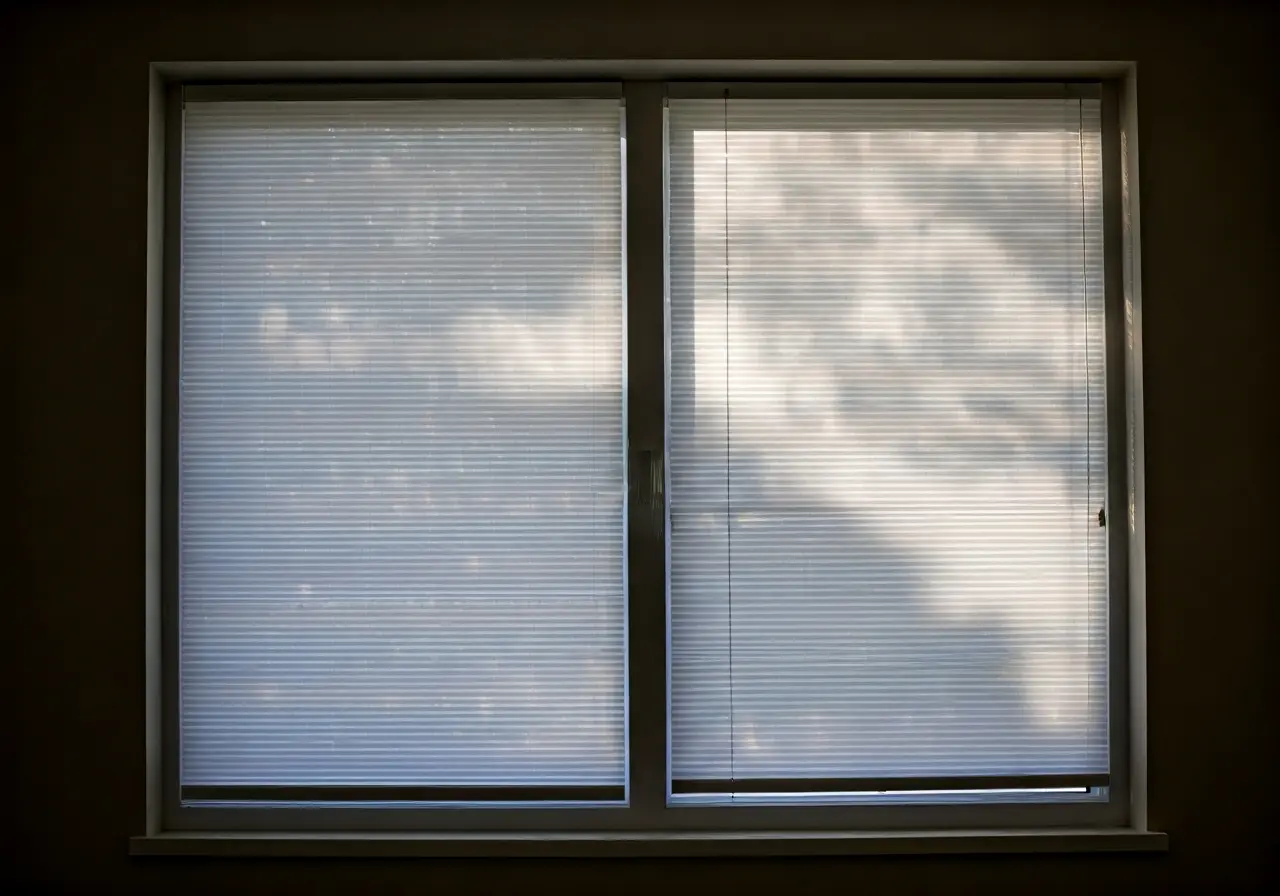
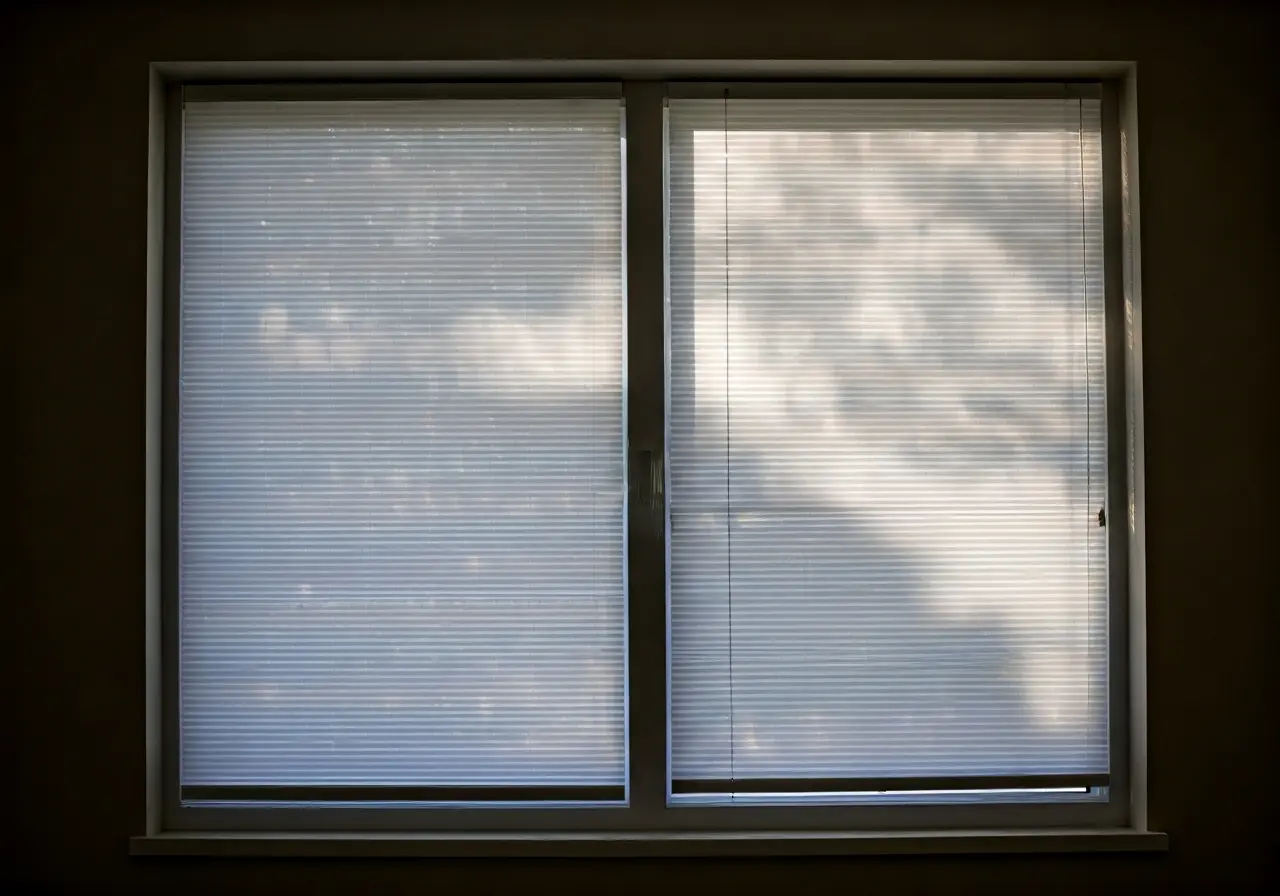
Smart shades are equipped with innovative features such as remote control, automation, and light sensors. These features allow users to adjust the shades based on the time of day and sunlight intensity, optimizing energy efficiency.
One of the standout features of smart shades is their integration with smart home systems. This means you can control them using voice commands through your favorite virtual assistant, making it even easier to manage your home’s environment without lifting a finger.
In addition, many smart shades offer customizable settings that adapt to your preferences, ensuring that each room receives optimal shading. This adaptability not only enhances comfort but also plays a substantial role in energy conservation by preventing excessive solar heat gain.
These shades are available in various styles and materials, allowing homeowners to choose options that suit their aesthetic preferences while still enjoying energy-efficient benefits.
How Do Smart Shades Help Regulate Indoor Temperature?
By controlling the amount of sunlight that enters a room, smart shades help maintain a stable indoor temperature. This means less reliance on heating and cooling systems, leading to energy savings.
During the hotter months, smart shades can be programmed to lower during peak sun hours, effectively blocking intense sunlight and keeping indoor spaces cool. This significantly reduces the workload on air conditioning systems and helps in cutting down energy consumption.
Conversely, during cooler months, smart shades can be adjusted to allow more sunlight in, utilizing solar heat to warm up spaces naturally. This reduces the reliance on artificial heating and promotes a more eco-friendly heating solution.
Can Smart Shades Reduce Energy Costs?
Yes, smart shades can contribute to lower energy costs by minimizing the need for artificial lighting and reducing heating and cooling expenses. Their ability to automatically adjust can lead to significant savings over time.
Studies show that optimizing natural light and reducing heat gain through smart shades can decrease energy costs significantly. Homeowners who invest in smart shades often notice a marked reduction in their monthly utility bills, making these shades an economically wise choice for the long term.
What Role Does Automation Play in Energy Efficiency?
Automation is a crucial aspect of smart shades. By setting schedules or allowing shades to respond to changes in light, smart shades provide convenience and ensure optimal energy usage without requiring constant manual adjustments.
With built-in sensors, smart shades can respond to various factors like time of day, temperature, and weather conditions. This dynamic adjustment helps in maximizing energy efficiency by making precise changes right when they are needed.
Automated smart shades can also interact with other smart home devices. For instance, they can communicate with smart thermostats to further optimize heating and cooling systems, providing a comprehensive energy-efficient solution for modern homes.
Embrace Smart Shades for a Sustainable Future
Smart shades not only add a sleek, modern touch to your home but also significantly improve its energy efficiency. By optimizing natural light, reducing heat gain, and providing control through automation, they offer a smart way to reduce your carbon footprint and save on energy bills. Embracing this technology can lead to a more sustainable and comfortable living environment.