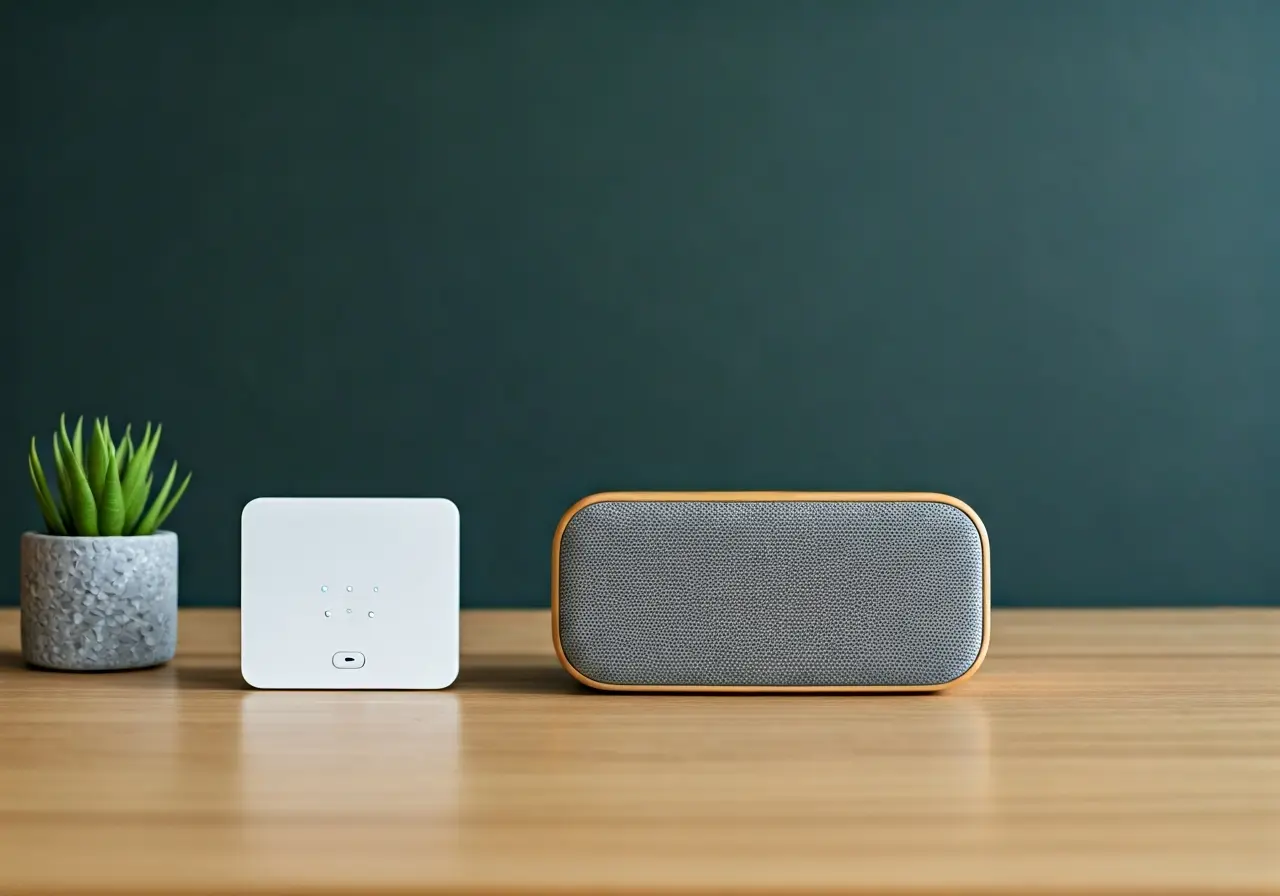
The Future of Home Automation: The Role of Voice Assistants
In today’s rapidly evolving technological landscape, home automation is transforming the way we live, making our lives more convenient, energy-efficient, and secure. At the forefront of this revolution are voice assistants, which are playing a pivotal role in reshaping our interaction with home devices. This blog explores how voice assistants are driving the future of home automation, making our homes smarter than ever.
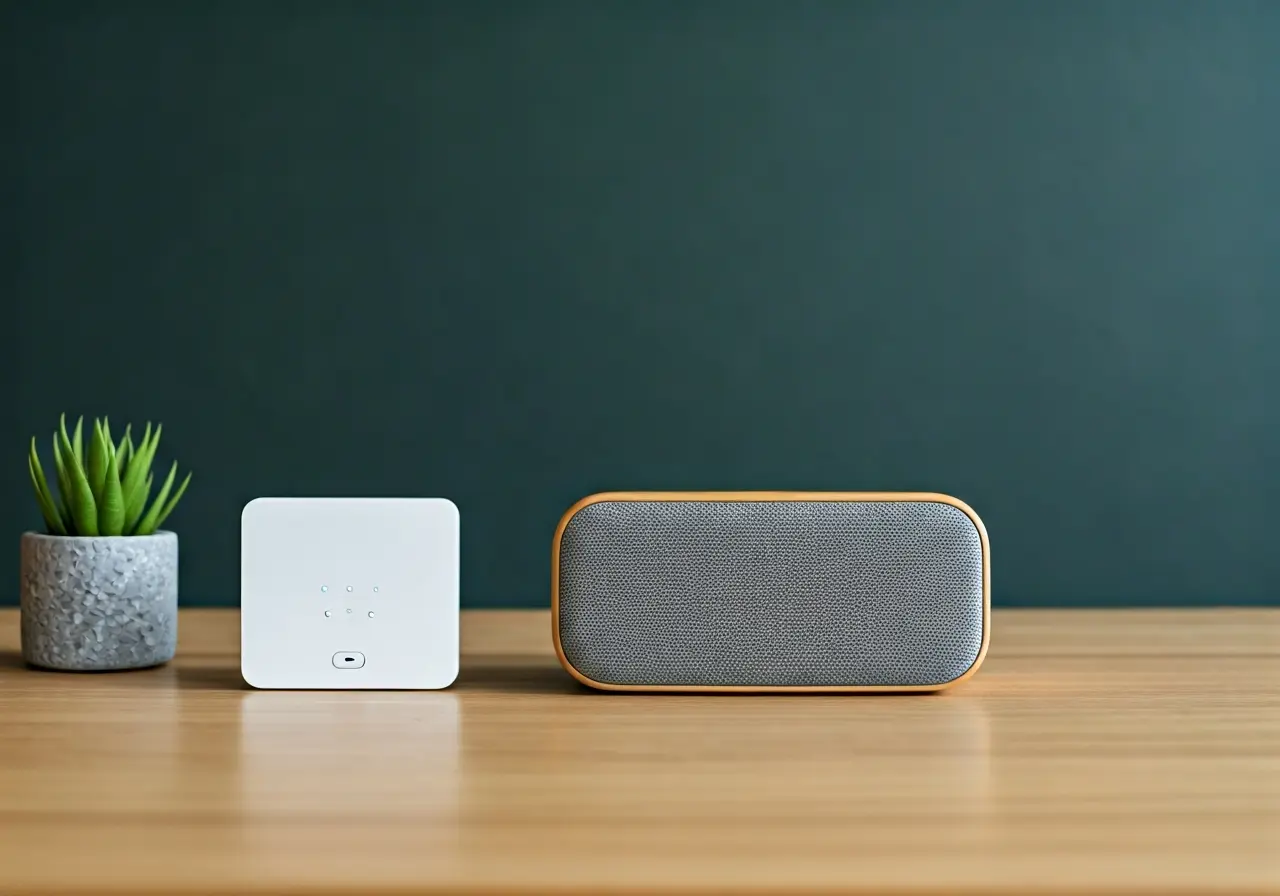
The Rise of Voice Assistants in Home Automation
Voice assistants like Amazon Alexa, Google Assistant, and Apple’s Siri have become household names, seamlessly integrating into our lives. Their ability to control smart devices with simple voice commands has revolutionized how we interact with technology at home.
The convenience of using voice to perform tasks cannot be overstated. With just one command, users can play music, set alarms, or even make grocery lists without lifting a finger. The rise of voice assistants began subtly, but today, these technologies are ubiquitous in modern households. Many of us can’t imagine everyday life without our trusty voice assistants close by. They’ve moved beyond simply providing information; they are now pivotal to optimizing daily productivity, from setting reminders to answering complex queries.
Moreover, the integration of voice technology with artificial intelligence allows these assistants to understand and learn from user behavior. This makes them distinctly different from traditional remote controls or buttons. For example, machine learning advancements in voice assistants enable these devices to become more natural and intuitive in recognizing speech, including accents and colloquialisms, thereby offering a personalized experience for each user.
How Voice Assistants Enhance Daily Living
From managing daily schedules to controlling lighting and thermostats, voice assistants simplify tasks that once required manual intervention. They perform actions instantly and can even adapt to our personal preferences over time.
Imagine waking up to the sound of your favorite playlist, the blinds adjusting to let in the perfect amount of sunlight, and the coffee maker brewing your morning cup—all initiated by a voice command the night before. This ability to automate routine tasks effectively enhances the simplicity and comfort of our daily lives. Voice assistants excel in personalizing experiences, a feature that is becoming increasingly vital in fast-paced lifestyles.
Integrating Voice Assistants with Smart Home Devices
Integration is key in home automation. Voice assistants serve as central hubs, connecting with various smart devices – lights, cameras, door locks – to create a cohesive and controlled environment. This interoperability is set to expand, offering even more personalized and automated experiences.
By connecting a wide array of devices, voice assistants provide a seamless experience that enhances the interconnectedness of our homes. For instance, voice-controlled hubs can manage everything from Smart Thermostats to security systems, ensuring a safer, more energy-efficient household. This integration facilitates a hands-free lifestyle, allowing users to focus on what truly matters rather than mundane tasks.
Privacy and Security Concerns
As voice assistants become more prevalent, so do concerns about privacy and security. Understanding how data is used and stored is crucial. Companies are working to enhance security measures to protect user information while providing transparency to gain consumer trust.
Users often worry about their privacy being compromised by these always-on devices. The concern is valid, as cases of data breaches have occurred in the past. However, companies like Amazon and Google have made significant strides in strengthening data encryption and offering users the ability to manage privacy settings. Transparency and trust in data management practices are essential to alleviating user anxieties.
The Future Potential of Voice Technology
Looking ahead, the future of voice assistants is promising. Advancements in AI and machine learning will enable these devices to become more intuitive, learning from user behavior and perhaps predicting needs before they are even vocalized.
The road ahead for voice technology is filled with possibilities. As AI becomes more sophisticated, voice assistants will not only react to commands but anticipate needs through predictive analytics. Imagine a home assistant that not only adjusts the temperature based on the weather forecast but also orders groceries as supplies run low based on historical data. Such advancements could paint a future where technology seamlessly blends into the backdrop of daily life, enhancing and not overwhelming it. The potential for natural language processing in this sphere further expands what voice assistants can achieve.
Embracing a Smarter Tomorrow with Voice Assistants
As we look to the future, it’s clear that voice assistants will continue to play a crucial role in advancing home automation. With the potential for limitless integrations and continuous advancements in AI, these assistants are set to make our homes more intuitive, efficient, and connected. Embracing these technologies today will undoubtedly prepare us for an even smarter tomorrow.