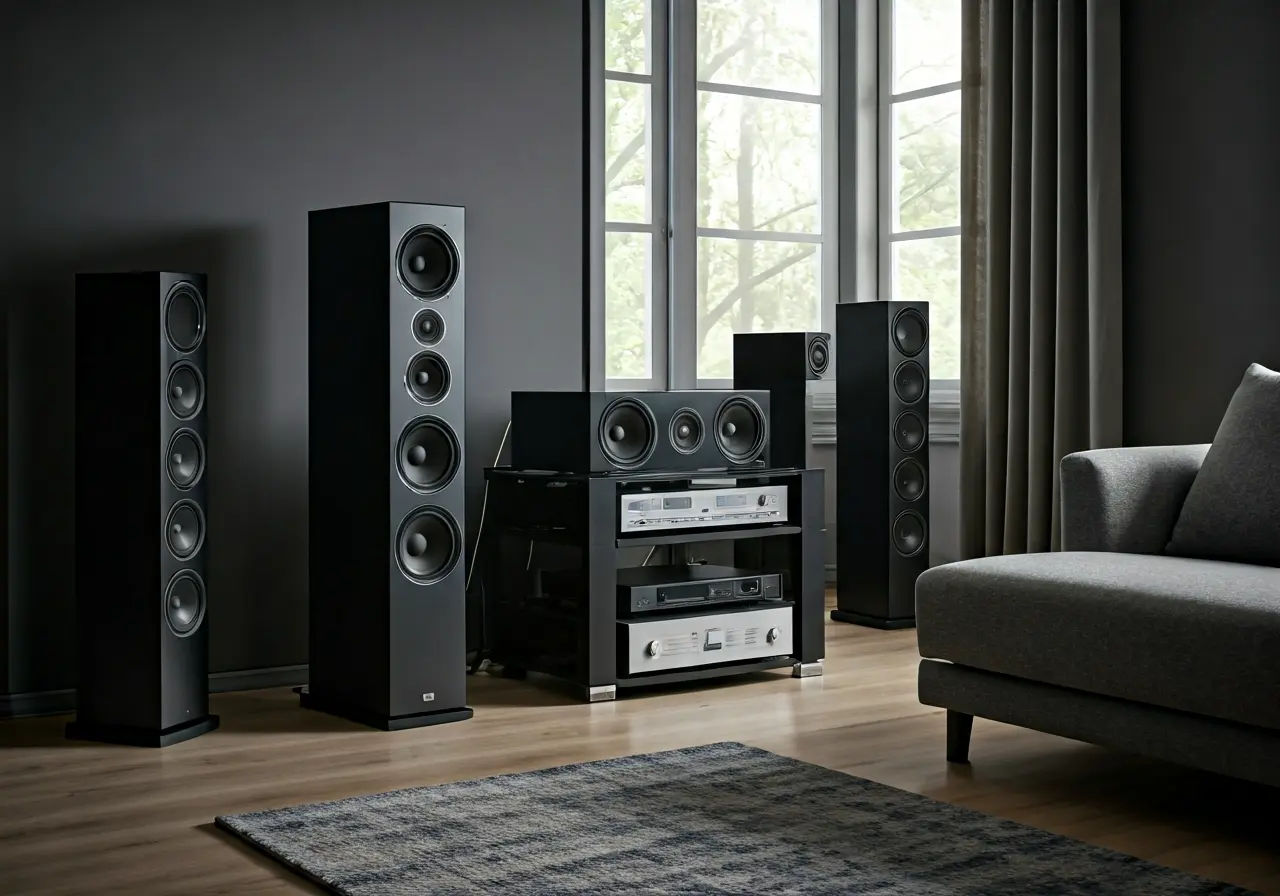
Can I Use Wireless Surround Speakers in Multi-Zone Audio Systems?
If you’re considering upgrading your home audio setup, you might be curious about integrating wireless surround speakers into multi-zone audio systems. These systems, which allow different audio sources to be played in different areas of your home, offer the ultimate flexibility. But can wireless speakers fit into this setup? Let’s explore.
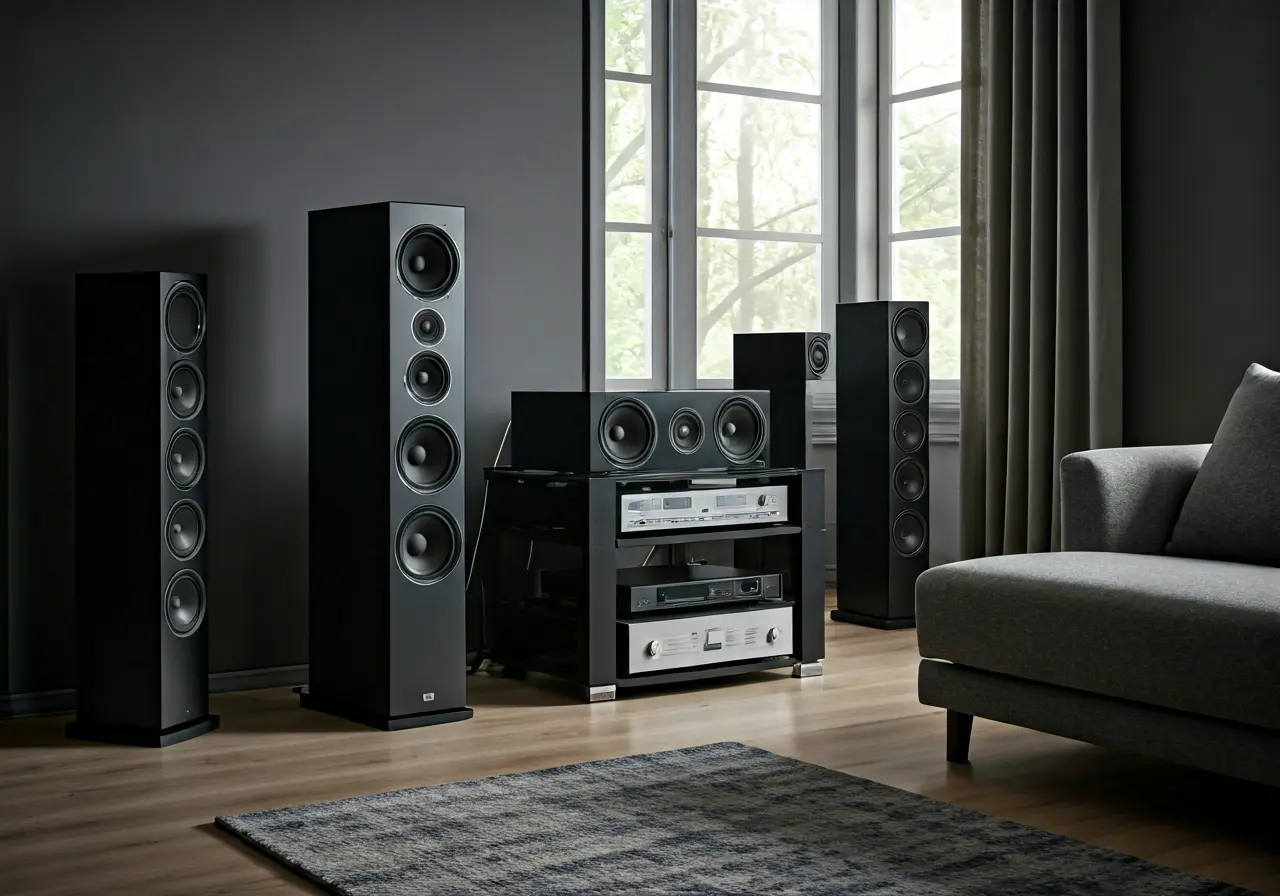
Understanding Multi-Zone Audio Systems
Multi-zone audio systems allow you to stream music or any audio content in different rooms independently. This setup usually requires zone amplifiers and a central controller.
One of the biggest advantages of a multi-zone system is its ability to cater to personalized experiences. Whether you’re hosting a party or enjoying a quiet evening, you can control the volume and sound source for each room. This level of customization gives users the freedom they need to create the perfect ambiance in every space.
Moreover, these systems can sometimes be integrated with smart home technology, enabling you to manage your musical preferences through voice commands or mobile apps. This integration makes it even easier to deliver a seamless experience regardless of where you are in your home.
The Role of Wireless Surround Speakers
Wireless surround speakers eliminate the need for extensive cabling, making them an attractive option for multi-zone systems. They connect via Wi-Fi or Bluetooth, providing spatial audio without the clutter.
These speakers come with the benefit of easy placement. Without the constraints of cords, you have the flexibility to position the speakers at the optimal locations for acoustics in each room. This not only enhances the sound quality but also ensures an immersive audio experience by balancing sound distribution effectively.
Additionally, modern wireless speakers often come with smart functionalities like auto-calibration. This feature allows them to adjust their sound output based on the room’s acoustics, ensuring the best possible performance regardless of environmental factors.
Compatibility Considerations
Before integrating wireless speakers, ensure that your existing multi-zone system supports wireless technology. Check the specifications of your audio components for compatibility.
It’s essential to verify that your wireless speakers can seamlessly connect with different audio sources and maintain the same quality and stability as their wired counterparts. Compatibility isn’t just about connection but also about ensuring that the wireless protocol, be it Wi-Fi or Bluetooth, is supported across all devices involved in your audio system.
While most modern multi-zone systems do allow the integration of wireless components, some older setups may require additional adapters or upgrades. These adjustments are critical to prevent interruptions or latency in your audio output, ensuring you enjoy an uninterrupted listening experience.
Setting Up Wireless Surround Speakers
Set up involves connecting the wireless speakers to your home network and ensuring they are within range of your primary audio source. Calibration might be needed for optimal sound quality.
Beginning with connecting your speakers to the home network, make sure that your Wi-Fi has sufficient bandwidth to support multiple devices running concurrently. This ensures that when your wireless speakers stream high-quality audio, there’s no noticeable drop in performance or quality.
Additionally, place the speakers strategically within your intended listening area. Keep the layout of your home in mind, as the presence of physical barriers can impact the effectiveness of wireless transmission. A thoughtful setup can significantly enhance your overall audio experience, filling every corner with rich, vibrant sound.
Potential Challenges and Solutions
Wireless setups can face challenges like signal interference and latency. Solutions include adjusting your Wi-Fi settings or using a dedicated wireless network for your audio system.
One of the most common issues is interference from other electronic devices. To mitigate this, it might be worth exploring dual-band Wi-Fi routers that separate your network traffic, prioritizing audio transmission and minimizing potential disruptions.
Another effective solution is to deploy a mesh network. These networks can extend Wi-Fi coverage across larger areas, ensuring a consistent and strong signal throughout your home. This approach not only supports your audio needs but also improves overall connectivity for all your devices.
Bringing It All Together
Incorporating wireless surround speakers into a multi-zone audio system is possible and offers flexibility and convenience. With the right components and careful setup, you can enjoy a seamless audio experience throughout your home. Just ensure your system’s compatibility and be prepared to make any necessary network adjustments. To explore further options and get professional advice, feel free to visit our homepage.