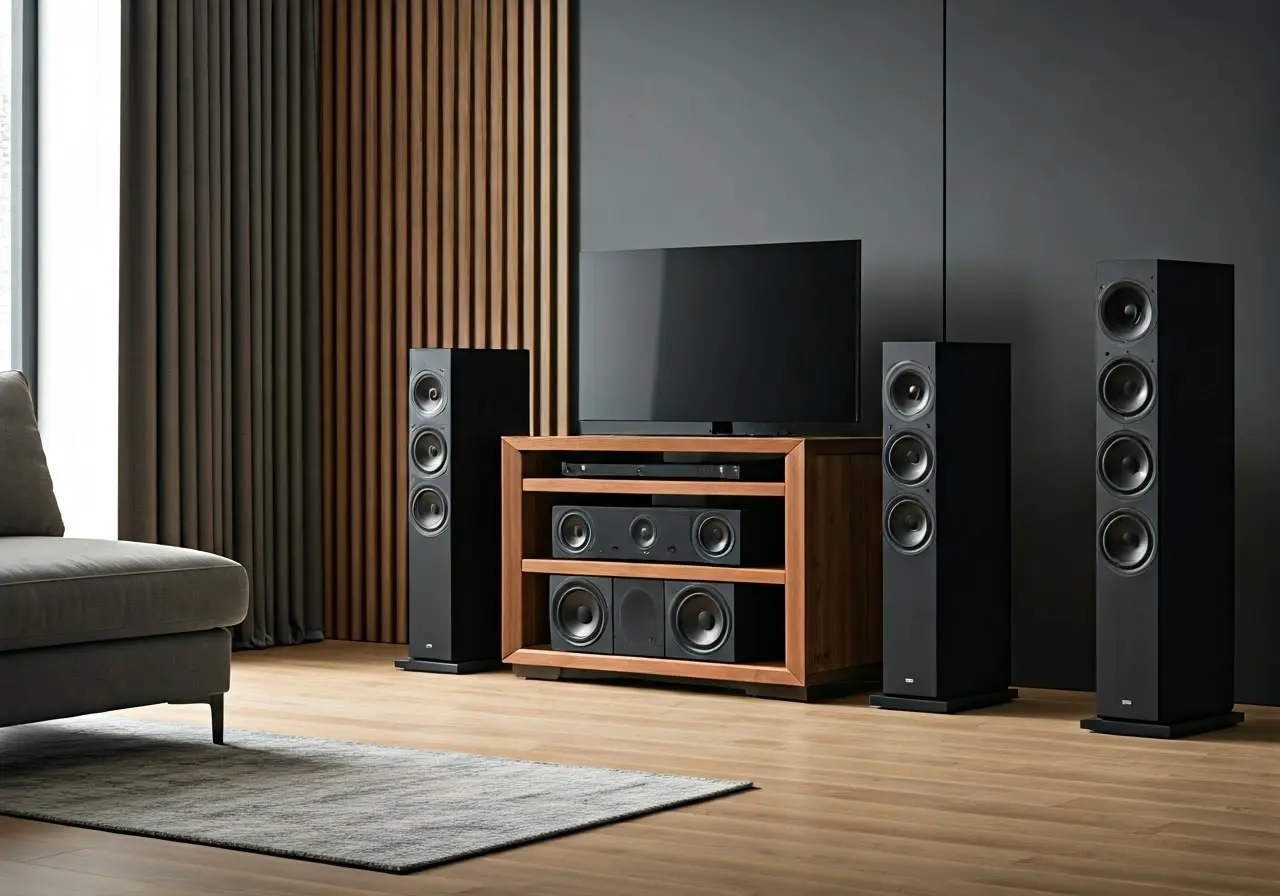
12 Tips for Choosing the Best Surround Sound System for Your Living Room
Choosing the best surround sound system for your living room can transform your home entertainment experience. With so many options available, it can be overwhelming to know where to start. In this guide, we’ll walk you through key tips to help you make an informed decision.

1. Understanding Your Space
Before diving into technical specifications, take a moment to evaluate your living room. Consider the size, shape, and layout, as these will impact acoustics and speaker placement. Use a tape measure to take accurate dimensions and note architectural features like windows and doors. Visualize speaker positions that will optimize sound travel and minimize distortion. Sometimes, just shifting furniture can vastly improve sound paths, making even a non-acoustic room ready for surround sound. For small or unconventional spaces, consider adaptable wireless systems to avoid clutter and maximize flexibility.
Moreover, think about how your living area functions on a daily basis. A room bustling with activity will require different audio solutions compared to a tranquil setup for evening movie sessions. Reflections from walls, flooring, and furniture also play a role in how sound travels. Carpeting can absorb excessive noise, while minimalistic spaces might create an echo that disrupts optimal sound delivery. Tailoring your system to your current living situation helps in crafting the perfect auditory landscape.
2. Setting a Realistic Budget
Establishing a sensible budget from the onset centers your purchasing decisions. With options ranging from extravagant high-fidelity setups to more affordable but capable systems, setting financial limits will help sift through choices. Remember, price often reflects quality, but there are impressive budget-friendly options that offer great sound and durability. It isn’t always necessary to splurge to enjoy a fulfilling soundscape. Allocate funds toward the features most important to you, be it sound clarity, wireless capability, or multi-room functionality.
3. Balancing Quality and Cost
While it’s tempting to go for the cheapest option, consider the long-term value. Investing in a higher-quality system can offer better sound and longevity, providing endless enjoyment. Look for systems with durable components and customer-friendly warranties. Cheaper systems may seem attractive initially, but frequent replacements or repairs can become costly in the long run. Evaluate user reviews and expert recommendations to make informed decisions. A high-quality system enhances your experience, making each sound clearer and every entertainment moment more immersive, giving you that cinematic delight.
4. Exploring Different Brands
Familiarize yourself with well-known brands and their reputations. Sonos, Bose, and Samsung often surface as reliable producers of quality audio equipment. Examining customer reviews and expert ratings can provide insights into reliability and performance, giving you the assurance of a trusted purchase. Each brand has its hallmark, such as crisp bass or immersive surround sound, so knowing their specialties can guide your decision. Some brands offer trade-in deals or discounts for upgrades to encourage customer loyalty, making it easier to find a solution that ticks all the boxes.
5. Speaker Configuration Options
Deciding between speaker setups like 5.1 or 7.1 can depend on your room size and desired audio experience. More speakers don’t always equate to better sound. A 5.1 setup consists of five speakers and a subwoofer, adequate for most living rooms and easily manageable within compact spaces. If your room and budget allow, a 7.1 system offers an added dimension, creating a more enveloping sound. Whether opting for an array of speakers or a sleek soundbar system, ensure your choice harmonizes with room dynamics and your lifestyle.
6. Importance of Receiver Features
A receiver is the heart of your system. Consider features like HDMI inputs, Bluetooth connectivity, and compatibility with other components. A good receiver should handle various audio formats, allowing you to play high-definition audio and visual content seamlessly. It should also offer easy connectivity for future expansions, like additional speakers or smart home integrations. Explore models with room calibration tools that adjust sound settings based on your living room’s architecture, ensuring optimal sound performance. Review the specifications against your current and future needs to select the right receiver that offers flexibility and robust performance.
7. Considering Wireless Systems
Wireless systems offer flexibility and a cleaner look. Evaluate the pros and cons of wireless versus wired systems to suit your preferences. While wired systems traditionally offer slightly better sound fidelity, advancements in wireless technology have closed the gap significantly. Installation is often easier with wireless systems, letting you avoid the hassle of wiring through walls or under carpets. Some systems like the Sony HT-A9 offer innovative features, such as spatial sound mapping to create a uniform soundfield without sacrificing furniture placement or aesthetics.
8. Evaluating Sound Quality
Visit stores to test different systems or watch online demos. Pay attention to clarity, bass response, and how immersive the sound feels. Each system will have a unique sound profile; what works for one ear might not work for another. Some consumers prioritize crystal-clear dialogue, while others desire thumping bass that resonates. Consider what’s most important for your viewing habits. Watching a broad array of genres will provide a comprehensive picture of each system’s strengths. A high-quality surround system can deliver cinema-like sound experiences at home, so thorough testing ensures you’re happy with your investment.
9. Room Acoustics and Treatments
Consider how acoustics can affect sound quality. Simple treatments like carpets and curtains can improve the audio experience significantly by absorbing excess echoes and reducing noise distortion. If your living room contains hard surfaces or open layouts, consider adding rugs or acoustic panels. These treatments can be both functional and stylish, complementing the existing interior design while optimizing sound reverberations. DIY solutions like rearranging bookshelves or using furniture strategically can also alter acoustics positively, allowing every whisper and bass line to resonate perfectly, enriching the overall atmosphere.
10. Future-Proofing Your System
Technology evolves quickly. Look for systems that can adapt to new technologies or allow easy upgrades in the future. Systems that support software updates are advantageous, keeping your sound gear synced with the latest features. Modular designs can offer flexibility for personal adjustments, allowing you to add upgraded components without replacing the entire system. As the audio industry introduces more innovations like advanced spatial audio or smart home integration, ensuring your system is not rendered obsolete by emerging trends is vital. Future-proofing your purchase results in added value down the line.
11. Professional Installation Benefits
While you can set up a system yourself, a professional installation can ensure optimal placement and calibration for the best sound. Professional installers bring expertise in acoustic harmonics and wiring configurations, tailoring your setup to excel in your particular living space. This expertise can be what transforms a satisfactory system into an utterly captivating audio experience. Professionals not only ensure all components are perfectly aligned but also address any technical hiccups or custom requests you may have. Thus, leveraging their knowledge can maximize your investment and home enjoyment significantly.
12. Value of Warranty and Support
A solid warranty and customer support can save you headaches down the road. It’s worth considering this factor when making your purchase. Look for brands that offer extensive protection periods and responsive customer service, which ease potential concerns about system malfunctions or defects. Some manufacturers provide generous return policies or troubleshooting services that ensure your satisfaction. Peace of mind is invaluable and often underestimated, so weighing this aspect will fortify your choice, ensuring both a carefree purchase process and a gratifying listening experience for years.