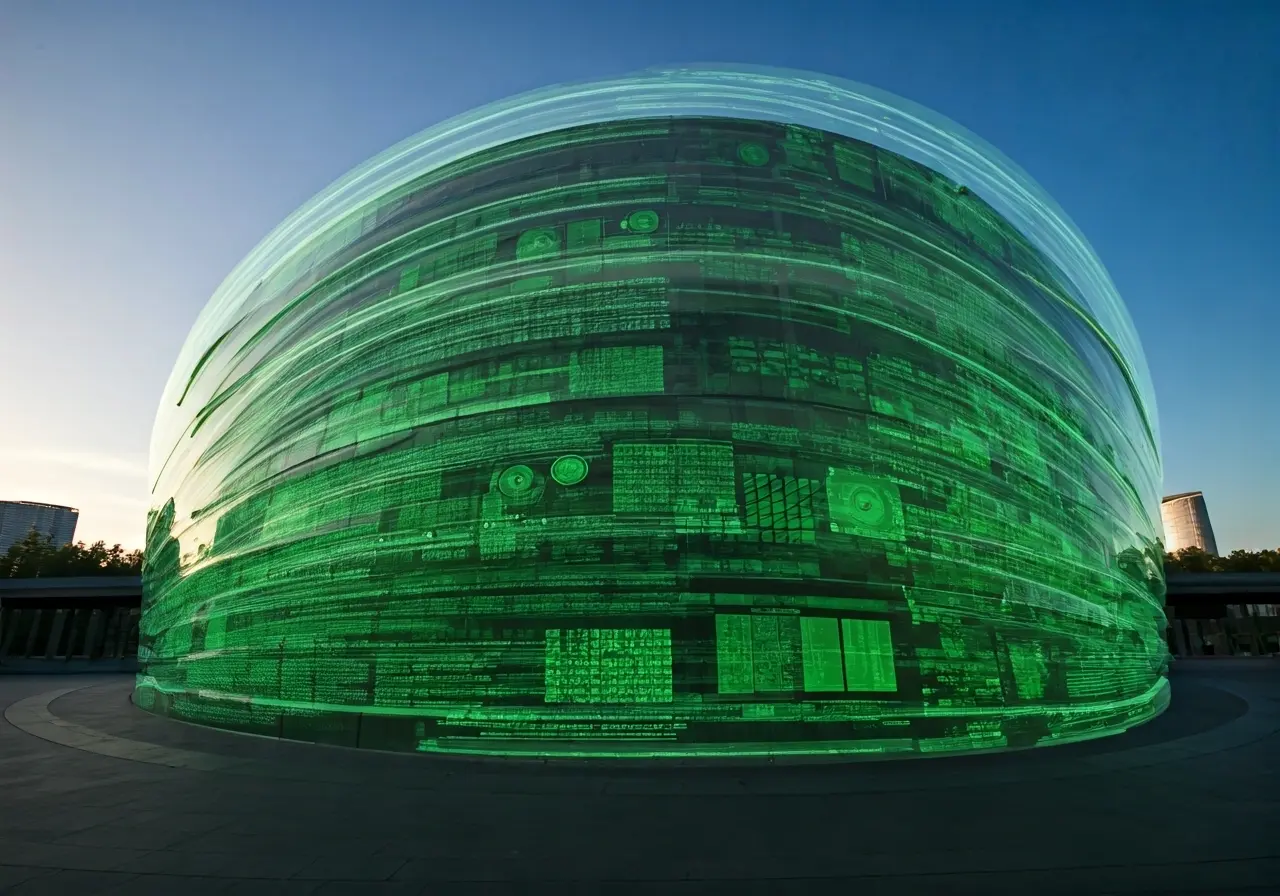
10 Essential Tips for Integrating Smart Buildings Technology
In today’s rapidly evolving technological landscape, integrating smart building technology is more important than ever. It’s not just about having the latest gadgets, but creating buildings that are efficient, user-friendly, and sustainable. If you’re new to this concept or are looking for ways to enhance your existing technology, these essential tips will guide you through the integration process, step by step.
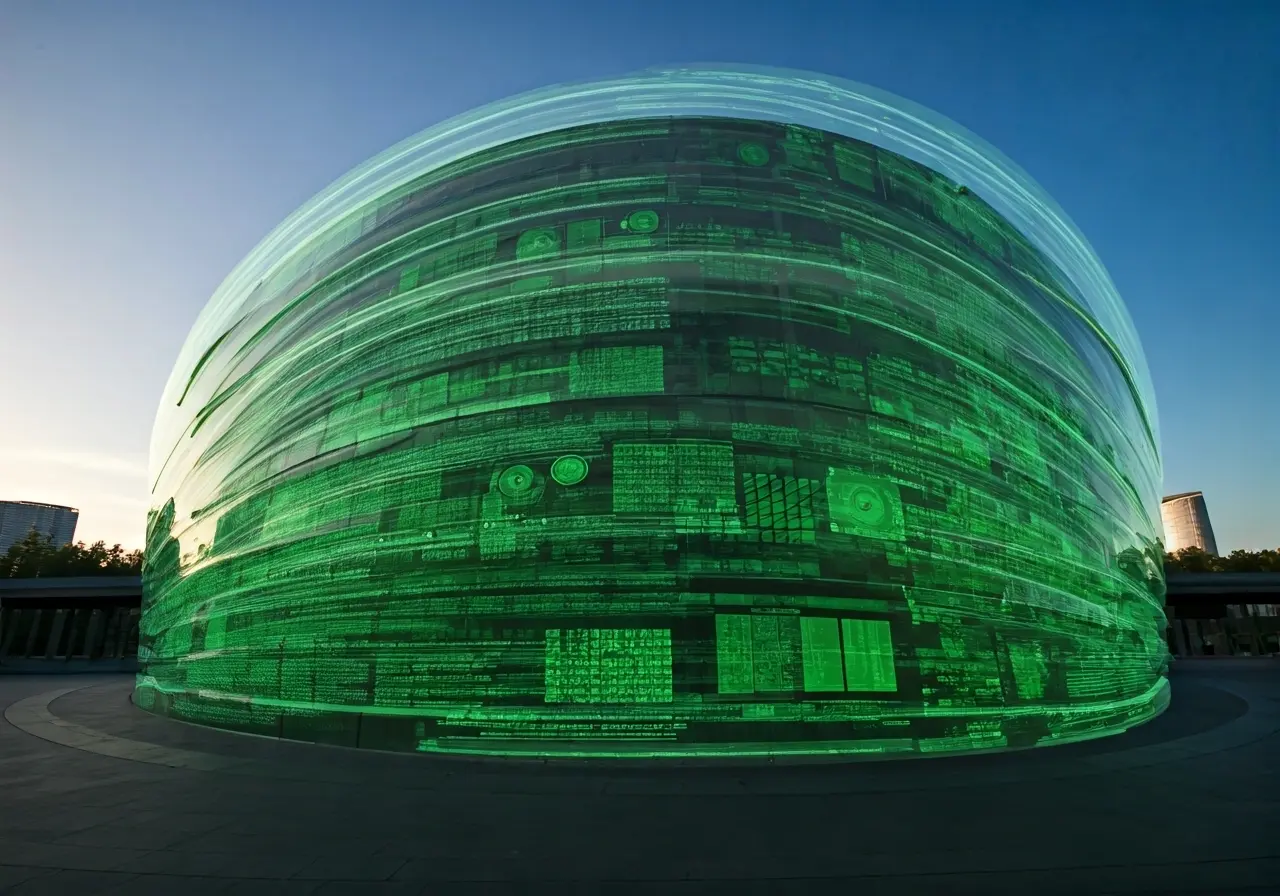
1. Understand Your Building’s Requirements
Before diving into smart technology, it’s crucial to assess your building’s specific needs. Each building is unique, and understanding its requirements will help you choose the right solutions that fit seamlessly into the infrastructure. Start by conducting a thorough evaluation of the current systems and the areas that would benefit most from technological enhancement. This foundational understanding sets the stage for a successful integration, ensuring that you aren’t simply adopting technology for technology’s sake but meeting real, identifiable needs.
Moreover, engaging with stakeholders, including facility managers and occupants, can provide valuable insights into the building’s day-to-day challenges and opportunities for improvement. These insights can illuminate areas where smart building technology can have the most impact. Ultimately, a clear understanding of your building’s requirements will guide you in making informed decisions, minimizing disruptions during the transition process.
2. Set Clear Goals for Smart Integration
Define what you want to achieve with smart technology. Whether it’s energy efficiency, enhanced security, or improved occupant experience, having clear objectives will guide the technology choices you make. Establishing these goals early on provides a roadmap for selecting appropriate technologies and helps evaluate the success of your implementation. For instance, if reducing energy costs is a priority, you might focus on technologies such as automated lighting systems.
Clear goals also assist in securing buy-in from stakeholders. When everyone understands the objectives and potential benefits, it’s easier to justify the investment in new technology. This clarity fosters collaboration and encourages stakeholders to actively participate in the integration process, ensuring that the technology supports the building’s objectives while aligning with broader organizational goals.
3. Choose the Right Technology
The market offers a plethora of options. Research and select technology that aligns with your goals and is compatible with existing systems. Consider factors such as scalability, ease of use, and support. In particular, focus on technologies that are known for their energy efficiency and sustainability.
It’s also beneficial to consult industry experts and participate in smart building technology forums. These resources can provide insights into the latest technological advancements and emerging trends. They can also offer recommendations for systems with proven success in similar applications. Employing technology that integrates easily with existing infrastructures avoids unnecessary expenses and streamlines the implementation process, allowing you to build on what’s already in place.
4. Invest in High-Quality Wireless Infrastructure
Strong wireless connectivity is the backbone of smart buildings. Ensure that your building has robust wireless infrastructure to facilitate communication between devices seamlessly. Investing in reliable wireless systems can prevent the connectivity issues that derail automation efforts. Consider the demands of various technologies, from IoT sensors to advanced security systems, and ensure your infrastructure can support this increased demand.
5. Focus on Energy Efficiency
Smart technology can significantly reduce energy consumption. Utilize smart meters, automated lighting, and HVAC systems to optimize energy usage and lower operational costs. For example, implementing a system that adjusts heating and cooling based on occupancy and weather forecasts can drastically reduce waste, as detailed in studies on sustainable building practices.
The impact of energy-efficient technology extends beyond cost savings. It contributes to sustainability goals and can enhance the comfort of the building’s occupants by maintaining optimal environmental conditions. Integrating advanced energy reporting tools helps track and manage consumption patterns, providing the data needed to make informed decisions about future enhancements.
6. Enhance Security Systems
Integrate advanced security features like smart locks, surveillance cameras, and access controls to ensure the safety of your building and its occupants. With the increase in smart security technologies, it’s easier than ever to customize systems that can flexibly manage access for staff and visitors alike. Embracing these technologies can deter unauthorized entry and enhance the responsiveness of your security measures.
7. Prioritize User Experience
A user-centric approach enhances the value of smart technology. Incorporate intuitive interfaces and seamless automation to ensure users have a positive experience. This means selecting systems that offer interoperability and user-friendly controls, reducing the learning curve for both occupants and maintenance personnel. By prioritizing the user experience, you can cultivate a positive atmosphere that encourages engagement and satisfaction.
8. Plan for Regular Maintenance and Updates
Technology evolves rapidly, and regular updates keep systems running smoothly. Schedule routine maintenance to ensure optimal performance and address potential issues before they escalate. Developing a comprehensive maintenance plan not only protects the investment but can significantly increase the lifespan and effectiveness of your smart technologies.
9. Train Your Staff
Empower your team with the knowledge to manage and troubleshoot new technology. Provide training and support to ensure everyone is comfortable using smart systems. Well-trained staff can enhance the operational efficiency of smart systems by quickly identifying and addressing malfunctions, thereby minimizing downtime and disruptions. Consider organizing periodic training sessions and workshops to keep the team abreast of the latest in smart building technologies.
10. Evaluate and Adapt
Once integrated, continuously assess the effectiveness of smart solutions. Be open to adapting and upgrading as technology advances and your building’s needs change. Engaging in regular evaluation helps pinpoint areas for improvement and guides future decisions on upgrades or expansions. This flexibility allows you to maximize the return on investment and keeps the building’s capabilities in line with the latest advancements.