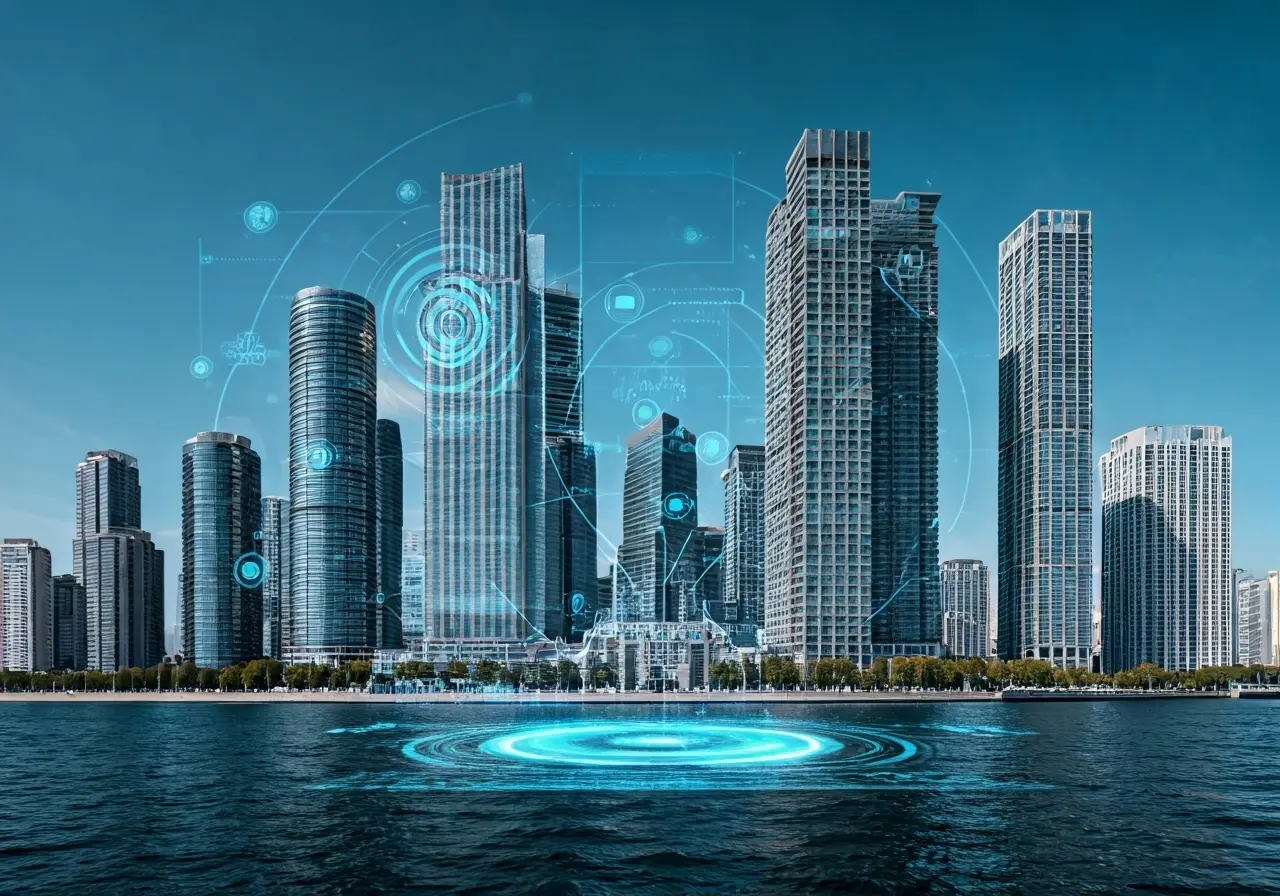
7 Reasons Smart Buildings Are the Future of Residential and Commercial Spaces
In today’s fast-paced world, the demand for smarter, more efficient spaces is growing rapidly. Whether it’s in our homes or workplaces, integrating technology into buildings is transforming the way we live and work. Smart buildings are no longer a distant dream—they’re becoming a central part of our lives. Here’s why they represent the future of residential and commercial spaces.
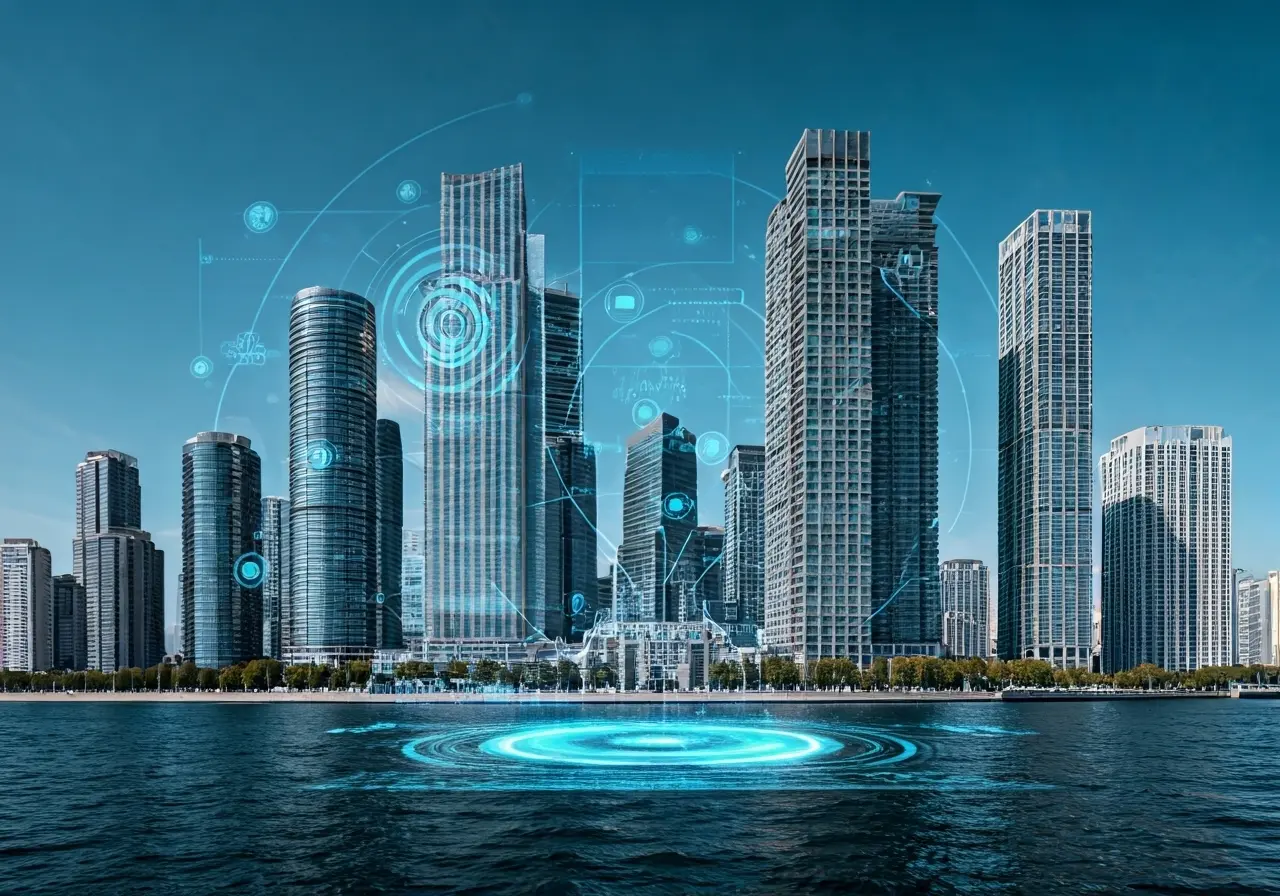
1. Energy Efficiency at its Best
One of the most significant advantages of smart buildings is their ability to drastically reduce energy consumption. Equipped with advanced systems that optimize energy usage, these buildings not only save money but also contribute to a more sustainable environment. With features like automated lighting and heating systems, smart buildings can adjust energy output in real time based on occupancy and time of day. This intelligent energy management not only minimizes waste but also lowers utility costs significantly.
The integration of technologies such as smart meters and IoT devices further enhances energy efficiency by providing detailed insights into energy use patterns. Property managers can harness this data to make informed decisions on energy consumption, identifying areas for improvement. Smart buildings also often utilize renewable energy sources, such as solar panels, which, when combined with energy storage solutions, reduce dependence on traditional power grids. This not only cuts costs but also makes a meaningful contribution to reducing the overall carbon footprint.
2. Enhancing Comfort and Convenience
Smart buildings are designed to make life easier and more comfortable for their inhabitants. With features like automated lighting, climate control, and integrated appliances, residents and employees can enjoy a seamless experience tailored to their individual preferences. Imagine coming home to a house that automatically adjusts the temperature to your liking and switches on the lights just as you walk through the door. This level of personalization is not just a luxury; it significantly boosts the quality of life for those who live or work in these buildings.
Beyond comfort, smart buildings extend convenience by integrating voice-activated systems and home assistants capable of controlling various devices. You can command everything from your coffee machine to your security system with a simple voice command or a few taps on your smartphone. Furthermore, many smart buildings incorporate features that cater to remote work environments, providing residents with high-speed internet and spaces optimized for productivity. This turns the conventional home or office space into a dynamic environment that adapts to ever-evolving needs.
3. Advanced Security Features
Safety is a top priority in smart buildings. These spaces are equipped with state-of-the-art security systems that include surveillance, smart locks, and real-time alerts, providing peace of mind to those who live and work within them. The integration of AI-powered cameras ensures constant monitoring and quick analysis of security threats. Smart locks eliminate the need for traditional keys, allowing access through biometric data or mobile apps, significantly reducing the risk of unauthorized entry.
Beyond the obvious security benefits, these systems seamlessly integrate with other building functions such as lighting and alarms to enhance safety. For instance, in the event of an unusual entry attempt, alerts can trigger ambient lighting changes to deter intruders. Additionally, smart systems enable remote monitoring, allowing property owners and residents to check on their premises from anywhere in the world. Incorporating these advanced security features makes smart buildings not only safeguarded but also proactive against potential security breaches.
4. Improving Space Utilization
Innovative design and technology enable smart buildings to maximize space usage efficiently. By implementing data-driven insights, these buildings can transform underutilized areas into productive and functional spaces. For instance, sensors and IoT devices can collect data on how space is used and identify peak usage times, guiding better space management strategies. These insights help in rearranging spaces to accommodate more activities without the need for physical expansion, making buildings more versatile.
The dynamic design of smart buildings allows for multi-purpose areas that can quickly adapt to changing needs. An office space might transform into a conference room with a few adjustments, or a home gym might become an entertainment area. This adaptability maximizes both residential and commercial property usefulness, catering to the varied demands of modern lifestyles. As real estate becomes more competitive and space more premium, smart buildings ensure every square foot is utilized to its fullest potential.
5. Contributing to a Greener Planet
Smart buildings are not just about technology—they’re also about sustainability. With features that reduce carbon footprints, such as eco-friendly materials and renewable energy sources, they play a critical role in promoting environmental responsibility. These buildings often incorporate green roofs, rainwater harvesting systems, and materials with low environmental impact to ensure that their construction and operation are as eco-friendly as possible.
Environmentally conscious design is at the core of smart building construction, with an emphasis on reducing waste and encouraging recycling. Many smart buildings utilize energy-efficient HVAC systems and passive solar design to minimize energy consumption. By leveraging natural light and ventilation, they can reduce reliance on artificial lighting and mechanical systems, further contributing to sustainability efforts. Together, these measures help mitigate the environmental impact of urban development and pave the way for a greener future.
6. Future-Proofing Real Estate Investments
Investing in smart building technology is a strategic move for the future. These buildings are adaptable, ensuring they remain relevant and valuable as technology continues to evolve, providing a secure and forward-thinking investment. As smart technology becomes the standard, properties equipped with these systems will likely see increased demand and higher resale values, offering a compelling proposition for investors.
Smart buildings provide not only immediate improvements but also long-term benefits as they can easily adapt to new technologies and regulations. This means less need for costly renovations or retrofits over time. Features like software upgradability and compatibility with new smart home devices ensure that these buildings remain at the cutting edge, appealing to tech-savvy renters and buyers. With the constant progression in technology, embracing smart building solutions is an intelligent step to future-proof real estate portfolios.
7. Enhancing Connectivity
In an increasingly digital world, connectivity is crucial. Smart buildings offer enhanced connectivity features that facilitate communication and operations, supporting a more integrated and networked lifestyle. These buildings are equipped with robust Wi-Fi infrastructure and smart devices that communicate seamlessly, ensuring that inhabitants stay connected at all times. This connectivity extends beyond the building itself, as many smart communities are being developed with interconnected systems and shared amenities.
In addition to facilitating digital communications, smart buildings also encourage collaboration and community interaction. Through integrated apps and digital platforms, residents and employees can interact, share resources, and participate in community activities. This fosters a sense of community and belonging, which is often lacking in traditional buildings. The amalgamation of technology with daily living creates environments where people can thrive personally and professionally, highlighting the invaluable role of connected living spaces in future urban development.