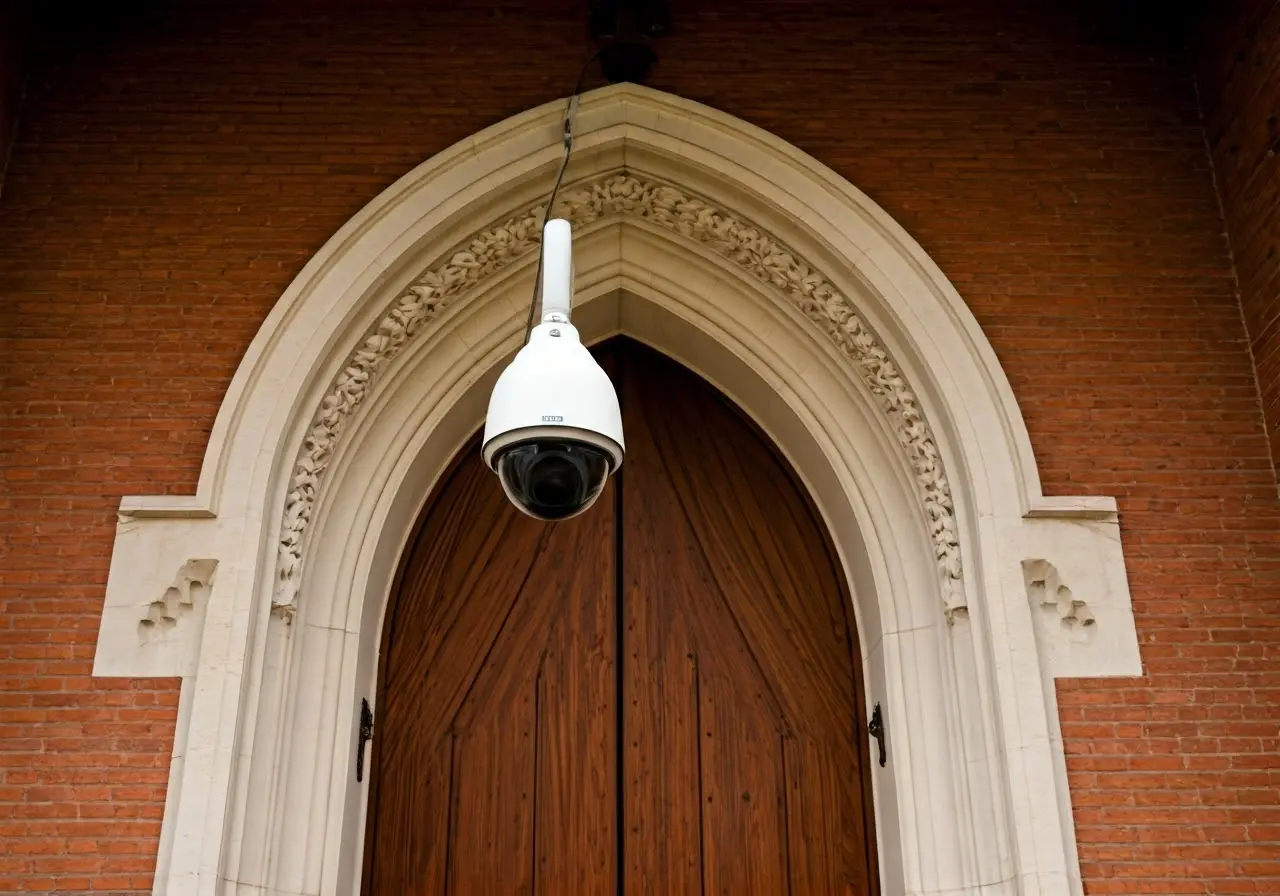
15 Reasons Why Every House of Worship Needs Security Systems
Houses of worship are sanctuaries for peace, reflection, and community gatherings. With the modern world presenting unique challenges, it becomes increasingly crucial to prioritize safety and security within these sacred spaces. In this listicle, we’ll explore why implementing security systems in places of worship is more important than ever.

1. Ensuring Safety for Congregants
A secure environment ensures that everyone who enters feels safe and can focus on their spiritual practices without fear or anxiety. In today’s world, where news of unfortunate incidents is more frequent, houses of worship must be proactive in creating a safe haven. This is where advanced security systems come into play. They act as silent guardians, watching over the premises and reassuring congregants of their safety. The mere presence of security cameras, for instance, can deter potential wrongdoers, creating a psychological barrier against crime.
By installing comprehensive security systems, congregants can immerse themselves in prayer and worship without distraction or concern over their personal safety. These systems not only protect individuals but also preserve the sanctity of religious practices by ensuring that all attendees are there for the right reasons. Moreover, feeling secure allows congregants to form deeper connections with their spiritual community, enhancing their overall worship experience.
2. Preventing Vandalism and Theft
Security systems act as a deterrent against potential vandals and thieves, protecting valuable religious artifacts and property. Often, these items carry significant historical and sentimental value, making them irreplaceable. Implementing surveillance technologies such as CCTV provides an extra layer of protection, deterring criminal activities and preserving sacred symbols and structures.
In addition to safeguarding physical items, having robust security solutions in place helps protect the financial assets of the congregation, which are crucial for the upkeep and mission work of the church. With the right measures, places of worship can reduce insurance costs by showcasing a commitment to preventing losses, thus redirecting funds towards other worthy causes.
3. Monitoring Against Unauthorized Access
Restricted access systems ensure that only authorized personnel can enter certain areas, maintaining the integrity of the sacred space. Churches are invariably busy places with constant comings and goings, which can make them vulnerable to unauthorized access. Access control systems can manage who enters specific areas, ensuring only vetted individuals can reach sensitive zones such as the financial or administrative offices or even certain parts of the sanctuary.
By incorporating sophisticated technologies like biometric scanners or key card systems, churches can seamlessly and securely manage access. This control helps church leaders keep accurate records of entry times and personnel, offering a layer of transparency and accountability that is often crucial for managing church resources and ensuring the safety of congregants.
4. Safeguarding Against Emergencies
During emergencies, security systems can provide critical support by quickly informing authorities and coordinating an effective response. Beyond monitoring criminal activities, a well-integrated security system can serve as an essential tool in case of medical emergencies, fire, or other crises. By installing alarms and communication systems, churches can alert emergency services promptly, reducing response times and potentially saving lives.
Furthermore, visible security components like cameras and attentive personnel equipped with panic buttons assure attendees that the organization prioritizes their well-being. This not only enhances the worship experience but also serves as a visible testament to the church’s dedication towards proactive safety measures. Through security system integration, houses of worship can quickly manage evacuations or lockdowns, ensuring the congregation’s safety even in unpredictable situations.
5. Building Community Trust
A well-protected environment fosters trust within the community, encouraging more people to engage with and participate in communal activities. When congregants know their place of worship is committed to safety, they are more likely to participate in events and services. Trust acts as a cornerstone for strong community bonds, crucial for any religious community.
With security measures in place, religious organizations can invite a wider audience to participate in spiritual activities, knowing they can provide a safe haven. This inclusive environment ensures a diverse representation within the community, promoting growth and fostering unity. As more individuals feel secure, they are more likely to involve themselves in church activities, enhance fellowship, and grow in their faith together. A safe space acts as a beacon, drawing people in and supporting them in their journey of faith.
6. Managing Large Gatherings
Security measures help manage crowd control during large events, ensuring smooth, safe, and orderly gatherings. Church events, whether regular services or significant celebrations, draw large crowds. Security systems play an essential role in organizing the movement of people, enhancing their overall experience while ensuring safety.
Surveillance cameras, metal detectors, and trained security personnel are pivotal in identifying potential hazards before they escalate into serious incidents. With detailed layouts and pre-planned emergency exits, security personnel can guide crowds in case of an emergency, ensuring everyone remains calm and orderly, minimizing panic.
7. Facilitating Modern Safety Standards
Integrating security systems helps places of worship align with current safety standards and protocols, staying updated with modern practices. As safety regulations evolve, it is crucial for churches to remain compliant with contemporary standards to ensure maximum protection.
By working with professional security consultants, churches can tailor their safety strategies to meet the latest guidelines, incorporating advanced technologies that ensure comprehensive protection. This proactive approach not only augments the safety of attendees but also aligns with insurance and governmental regulations, providing legal and financial benefits for the institution.