Exploring Smart Home Innovations through AV Design
Smart homes are no longer a thing of the future; they are very much a part of today’s reality. By understanding AV design, homeowners can seamlessly integrate technology and design to create spaces that are both functional and aesthetically pleasing. In this blog, we’ll dive into how AV design plays a crucial role in smart home innovations.
Understanding the Basics of AV Design
AV design, or audiovisual design, is all about creating systems that deliver audio and visual experiences tailored to a homeowner’s preferences. Whether it’s for home theaters, multi-room audio systems, or integrated speaker systems, understanding the basics of AV design is crucial for any smart home. At its core, AV design merges technology with artistry, creating an environment where each device functions harmoniously within the larger context of everyday living. This involves not just the selection of devices, but also understanding the acoustic and visual dynamics of the spaces they inhabit. A well-executed AV design can transform an ordinary room into a cinematic experience or a personalized concert hall, dependent on the needs of the user.
Furthermore, AV design incorporates elements like soundproofing and proper lighting to enhance the user experience. These elements might seem secondary, but their impact is significant, often making the difference between a good and a great audiovisual setup. With a comprehensive understanding of AV principles, homeowners can ensure that every element, from screen resolutions to speaker placement, contributes to an immersive experience that is both enjoyable and efficient. Attention to these details paves the way for innovations that push the boundaries of what a smart home can achieve, effectively bridging functionality and style.
The Evolution of Smart Home Technology
Smart home technology has evolved rapidly over the past few years. From automated lighting and climate control to voice-activated assistants, the integration of these technologies within the home environment has become more intuitive and user-friendly, thanks to advances in AV design. This evolution is in part driven by a desire for convenience and efficiency, with connected devices that interact seamlessly to anticipate the needs and routines of homeowners. For instance, lighting systems can now sync with the day’s natural light values and adjust accordingly for optimal comfort and energy efficiency.
As smart homes continue to evolve, they become testaments to how AV design can adapt and respond to changing technologies. With constant advancements in this space, the capabilities of smart homes expand, offering possibilities once thought only achievable in science fiction. The smart home of today is dynamic, with features such as remote management and customization that allow homeowners to optimize their environment from anywhere in the world. This continuous progression is a testament to the role of AV design in not just adapting to, but also driving the future of smart home innovation.
Integrating AV Design with Smart Devices
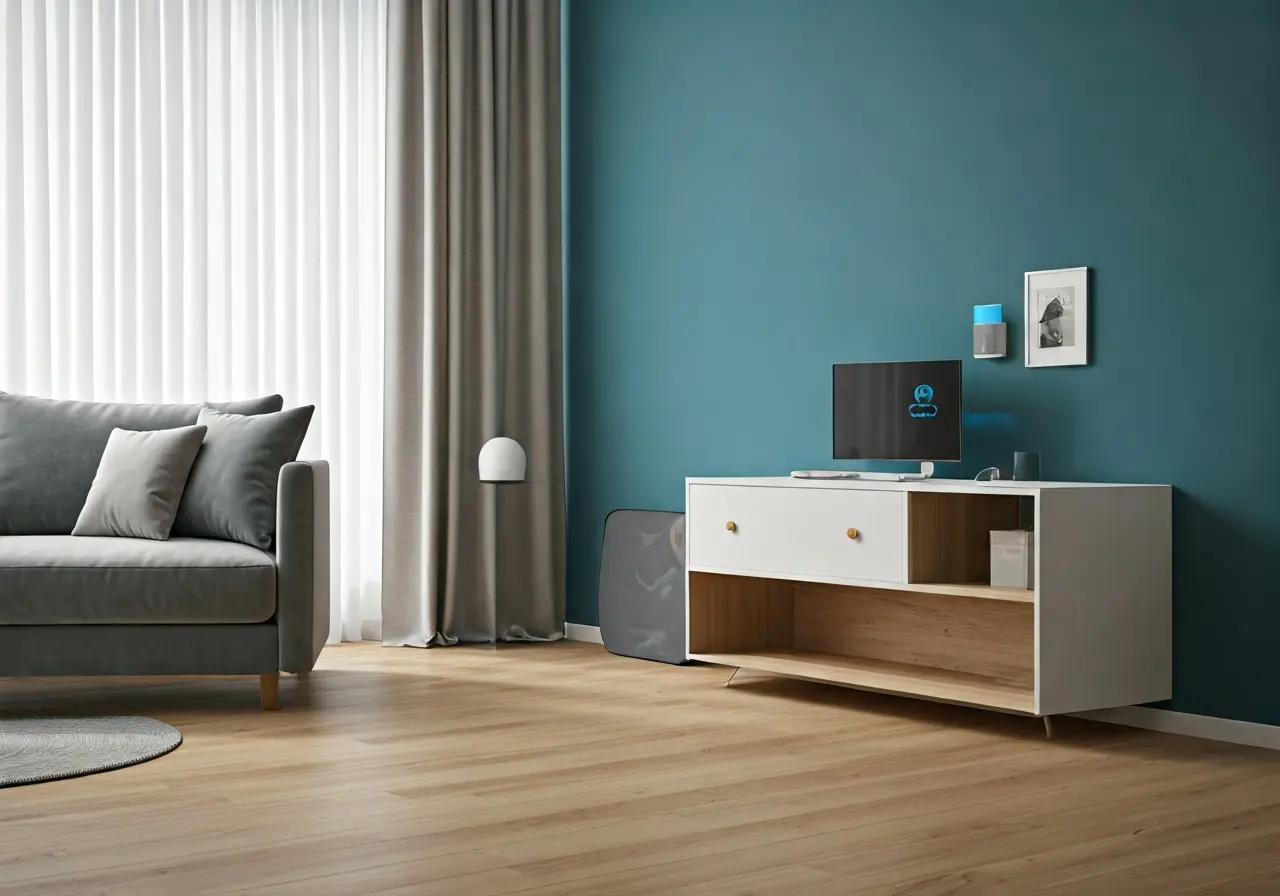
The key to a successful smart home is the seamless integration of various smart devices through effective AV design. This involves ensuring compatibility and connectivity between devices, leading to a smooth user experience across the home network. A cohesive setup allows devices to communicate and collaborate, enabling smarter automation and more intuitive control. For instance, integrating a smart TV with a smart speaker system can enable voice command functionalities that enhance both entertainment and accessibility.
Smart home integration is truly an interdisciplinary task, requiring an understanding of technology, design, and user behavior to create systems that respond naturally to needs. This includes everything from connecting smart locks and security cameras to integrating household appliances like smart fridges and washing machines. Effective AV design ensures that these components work in concert to improve home functionality, offering convenience without compromising aesthetic appeal. With the right design approaches, homes can evolve into intelligent environments that adapt to their inhabitants’ lifestyles.
Designing Aesthetically Pleasing Smart Spaces
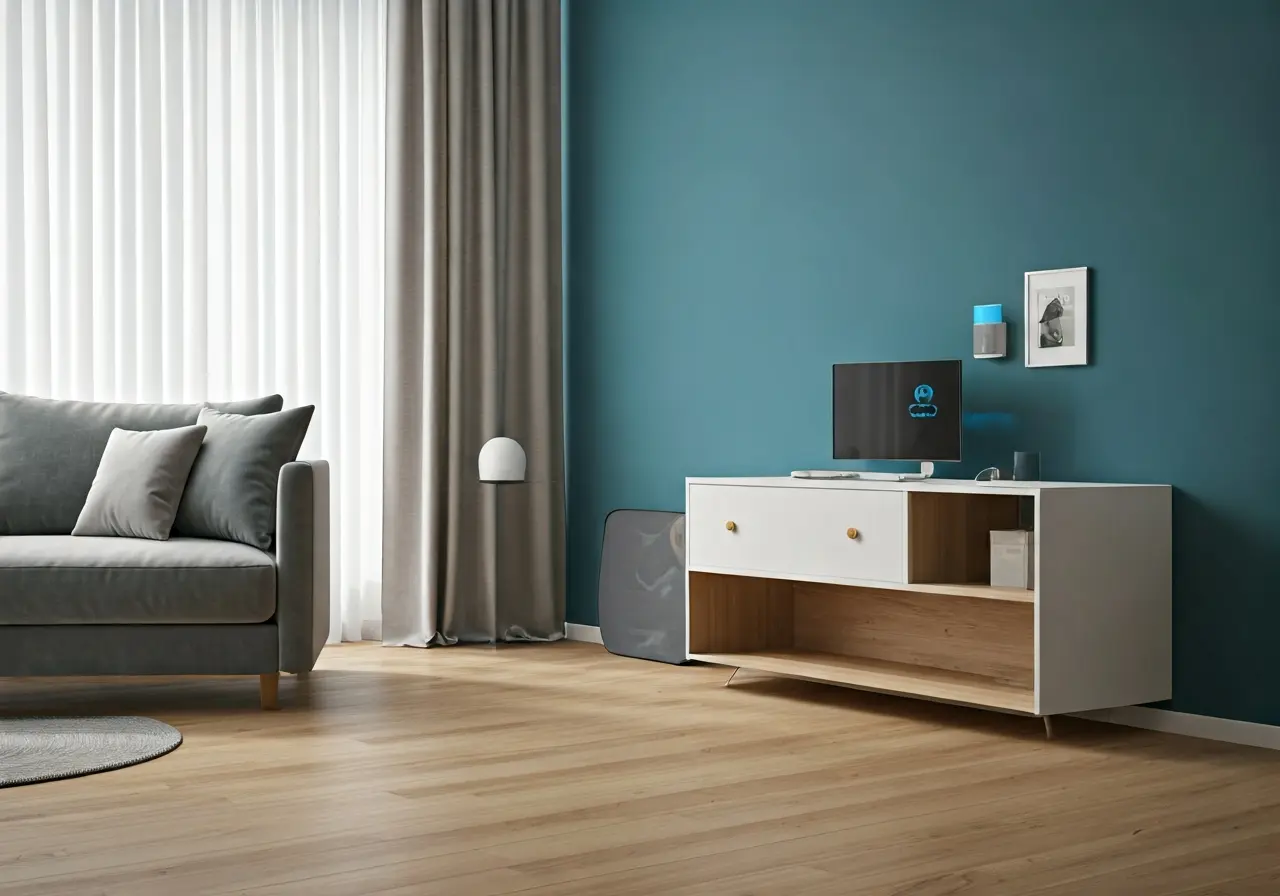
AV design also focuses on maintaining the aesthetic integrity of a home. By carefully selecting and installing devices that complement the home’s decor, homeowners can enjoy the benefits of technology without sacrificing style. Modern AV equipment often comes in sleek designs that unite form and function, enhancing living spaces by integrating seamlessly into the existing decor. This symbiotic relationship between technology and design is pivotal in creating smart homes that are visually engaging as well as technologically advanced.
Incorporating AV design thoughtfully can help mask the presence of technology, creating visually relaxing spaces. For instance, hidden speakers and discreet wiring keep the focus on decor rather than technology, maintaining a clean and cohesive look throughout the home. Flexibility in design choices, such as opting for equipment that complements your home’s palette or furniture style, is crucial. This allows the technology to serve its purpose without standing out in an obtrusive or unsightly manner, ensuring that the space remains welcoming and harmonious.
Challenges and Solutions in Modern AV Design
While integrating AV technology presents numerous benefits, it also poses certain challenges, such as technical complexities and maintaining interoperability between devices. However, solutions like standardized protocols and professional installation services are available to address these issues effectively. Professional services ensure that the intricacies of device connectivity and sound or image quality are optimized, providing an enhanced performance that the average DIY setup might not achieve.
Another common challenge in AV design within smart homes is keeping up with rapidly evolving technology. As new gadgets and systems enter the market, maintaining compatibility within existing setups can be daunting. To counteract this, embracing modular designs that allow for incremental upgrades without overhauling the whole system proves beneficial. Staying informed about technological advancements and approaching AV design with flexibility can help homeowners adapt and evolve their smart home systems to incorporate new features and improvements efficiently.
The Future of Smart Homes Lies in Thoughtful AV Design
Embracing AV design in smart homes is increasingly becoming essential for a seamless blend of functionality and style. By understanding the latest technological innovations and how they integrate into our living spaces, we can create homes that are not only smart but also uniquely ours. For more information on creating your ideal smart home, visit Co-da.