What is System Monitoring in Home Automation?
In the era of smart homes, system monitoring plays a crucial role in ensuring everything runs smoothly. But what exactly does it entail? In this blog, we’ll explore the ins and outs of system monitoring and how it integrates into home automation to make life more convenient.
Understanding System Monitoring
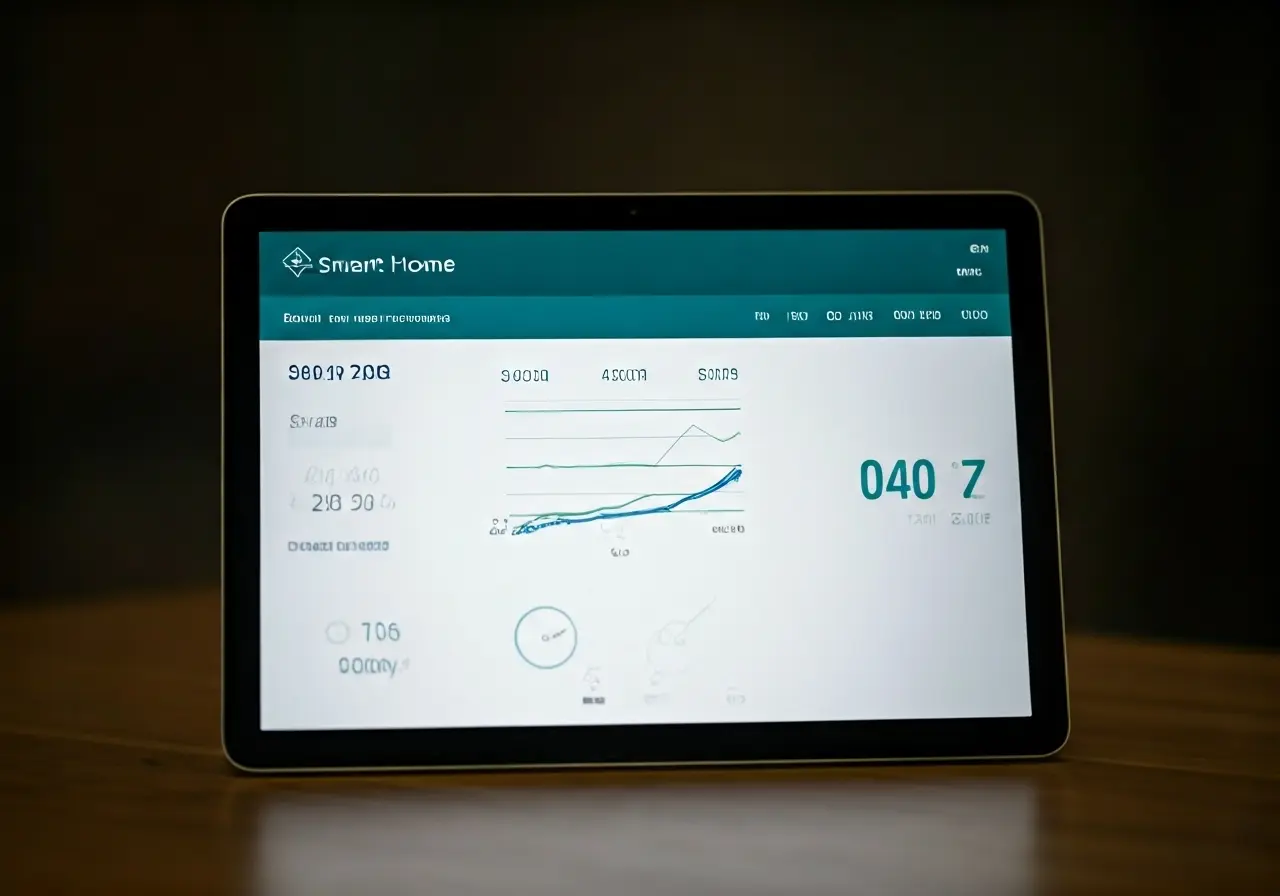
System monitoring involves keeping track of the various smart devices and processes within your home automation system. It helps ensure everything is functioning correctly and efficiently.
At its core, system monitoring acts as the eyes and ears of your smart home setup. It continuously verifies the status and performance of all connected devices, making sure that they operate harmoniously. Imagine it as the conductor of an orchestra, where each device is an instrument playing its part in the symphony of home automation.
Not only does it monitor, but it also anticipates. By analyzing patterns and usage, system monitoring can even predict potential problems before they occur, saving you time, money, and stress.
Why Is System Monitoring Important?
Monitoring is essential for maintaining operational efficiency, preventing issues, and enhancing the security of your home automation system. It provides real-time data and insights.
In a world where energy efficiency and security are prioritized, system monitoring stands out as a pivotal element in achieving these goals. Continuous monitoring ensures that every device performs at optimal levels, reducing wastage and ensuring security measures are in place.
Additionally, as the number of smart devices in homes grows, having a robust monitoring system becomes crucial. Without it, managing these devices individually would be akin to juggling without hands.
Components of System Monitoring
Key components include sensors, cameras, and software that collect and analyze data. These elements work together to oversee the operations of your smart home.
Think of sensors as the sensory organs of your home, detecting everything from movement to temperature changes. Cameras work in tandem with sensors to provide a visual confirmation of events and activities happening within your domain.
The brains of the system lie in its software, which processes data from these devices, painting a comprehensive picture of your home’s health. Advanced algorithms within this software can identify anomalies and flag potential threats, enhancing security and efficiency.
How Does System Monitoring Work?
System monitoring works by constantly gathering data from your devices, analyzing that data for irregularities, and sending alerts if any issues are detected.
Whenever there is a deviation from the norm, such as unexpected movement or temperature spikes, the system promptly sends an alert, enabling you to take timely action. It’s like having an on-call virtual assistant 24⁄7, ensuring everything in your home is just as it should be.
Moreover, with remote access capabilities, you can monitor and control your system from anywhere in the world. This convenience is a game-changer, especially for frequent travelers or those with extensive property.
Benefits of System Monitoring
The benefits include enhanced security, improved energy efficiency, reduced downtime, and peace of mind, knowing your home is being monitored around the clock.
By ensuring your devices are always functioning optimally, system monitoring contributes massively to energy conservation, saving both the planet and your wallet.
The security advantage cannot be overstated. With real-time alerts on potential intrusions or technical failures, you’re always one step ahead, ready to act swiftly and decisively.
Wrapping Up: Mastering System Monitoring in Home Automation
System monitoring is the backbone of a seamless home automation experience. By keeping an eye on your devices and processes, you can enjoy a more efficient, safe, and cost-effective smart home. Understanding the components and benefits of system monitoring empowers you to make the most of your home automation system.