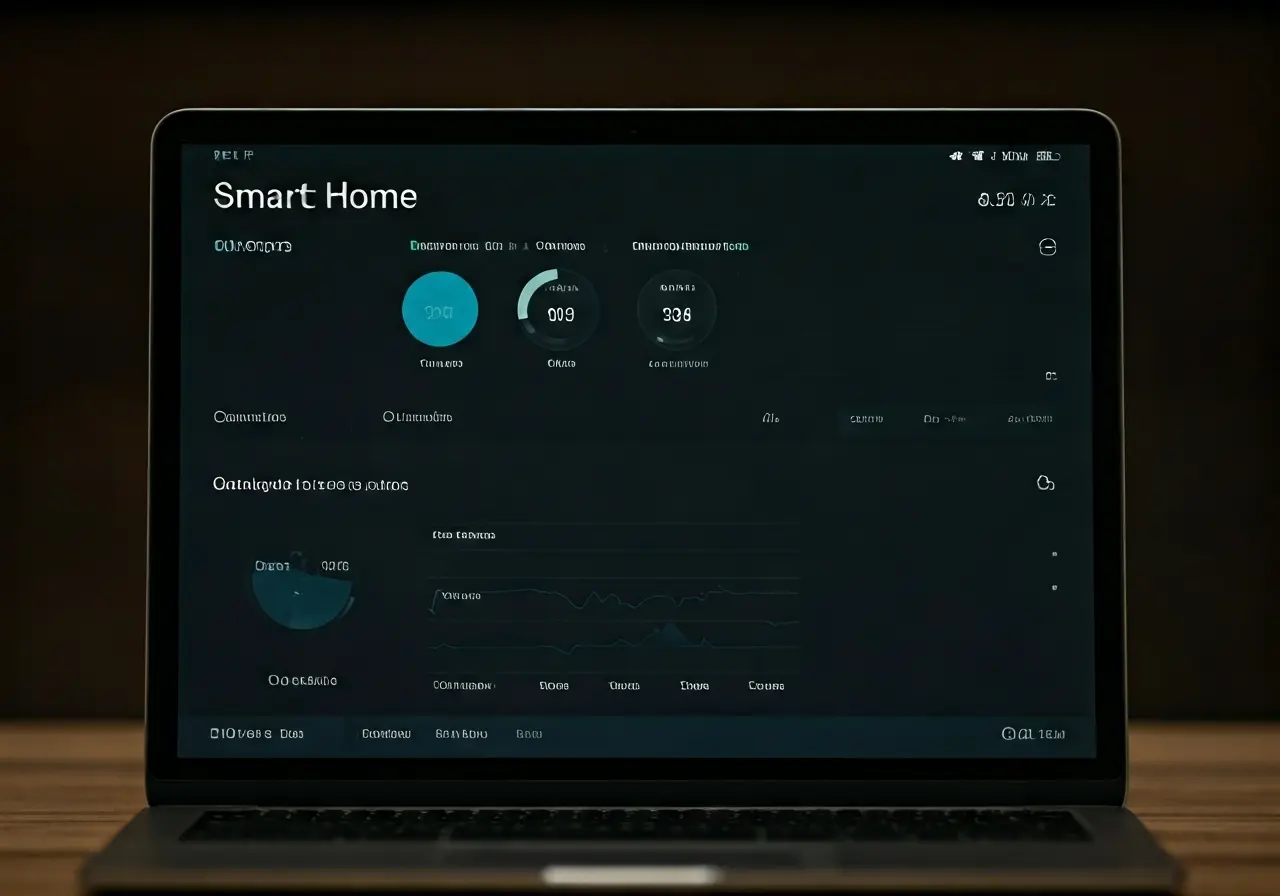
Understanding System Monitoring for Smart Homes
In the rapidly evolving world of smart homes, understanding system monitoring can make the difference between a seamless experience and a frustrating one. Whether you’re new to the concept or looking to deepen your knowledge, this guide will help you get acquainted with the essentials of system monitoring in smart homes.
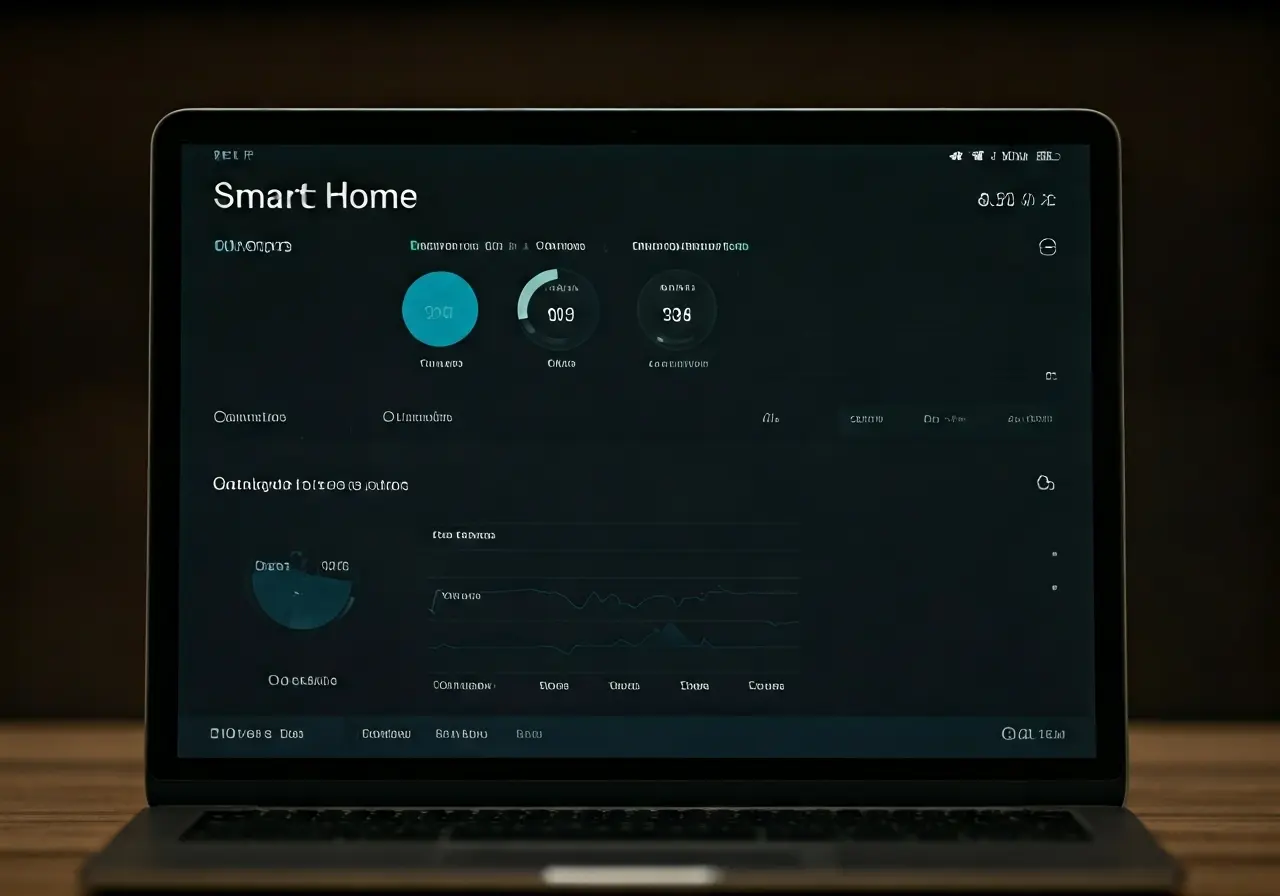
What is System Monitoring in Smart Homes?
System monitoring involves keeping track of the various devices and processes in a smart home. This includes monitoring energy usage, network activity, and the status of appliances, sensors, and security systems. Understanding these components allows homeowners to optimize performance and detect issues before they become problems.
Imagine a world where your smart home behaves as a meticulously managed ecosystem. At the heart of this world lies system monitoring, a vital function that ensures each element operates in harmony. By continuously supervising device communications, energy consumption, and security protocols, system monitoring forms the backbone of an efficient smart home. For everyday tasks like adjusting thermostats or managing lighting to become seamless, the integration of system monitoring is indispensable. Not only does it provide insights into daily operations, but it also differentiates between typical and atypical usage patterns, thus offering a holistic understanding of your home’s functionalities.
Importance of Monitoring Your Smart Home
Monitoring your smart home is essential for ensuring everything runs smoothly. It helps detect anomalies, protect against security threats, and provides insights into operational efficiency. This can lead to cost savings on energy and resources and ensures your smart home is always functioning at its best.
In the smart home realm, prevention is undeniably better than cure. This is where the profound importance of systematic monitoring comes into play. Consider the potential of thwarting a cyber threat early with a robust monitoring system in place. An anomaly detected today could potentially obstruct a security breach tomorrow. By actively participating in your home’s operation through monitoring energy usage, you can anticipate and implement measures that enhance sustainability. Furthermore, monitoring offers the advantage of alerts and notifications that ensure you are always informed about what’s happening under your roof.
Monitoring isn’t just about identifying problems; it’s also a doorway to improved living standards. By understanding your home’s data, you can uncover areas where efficiency can be improved. This could mean tweaking your heating habits during winter or understanding peak times for electricity use to make informed decisions. Ultimately, monitoring allows you to live smarter, with a heightened sense of control and security over your home environment.
Key Components of a Monitoring System
A smart home monitoring system typically includes software, sensors, and a central hub or app to control and analyze data. Sensors track different parameters such as temperature, motion, and energy consumption, while the software processes this data to provide actionable insights.
Consider the central hub as the brain of your smart home monitoring setup. This is where all data collected by sensors converge to be analyzed and turned into actionable insights. Key to this system are the various sensors deployed across the home. They come in many forms: motion sensors that alert you to unexpected movement, contact sensors on doors and windows that enhance security, and climate sensors that ensure optimal comfort levels. When paired with efficient software, these components collaborate to form a reliable solution that not only keeps you informed but also empowers you to make significant improvements to your living environment.
A comprehensive understanding of a monitoring system requires more than just recognizing its components. It demands an appreciation for how each element contributes to the system’s overall efficacy. For instance, the software not only aggregates data but also offers you a customizable view of your home, making it intuitive to navigate complex information at a glance. Whether you seek energy graphs or security alerts, the right monitoring software provides a user-friendly interface that can be accessed via mobile apps—putting the power of your smart home in your pocket.
How to Choose the Right Monitoring Solution
Selecting the right monitoring solution involves considering the size of your home, the devices you use, and your specific needs. Look for solutions that offer compatibility with your existing devices, provide user-friendly interfaces, and come with robust security features.
Embarking on finding the perfect monitoring solution might feel daunting, given the plethora of options available. Yet, by starting with a checklist of must-haves, the process becomes considerably manageable. When evaluating potential systems, it’s prudent to prioritize solutions that offer robust security features, ensuring protection against potential vulnerabilities. Compatibility is the next factor—ensure the system you’re considering seamlessly integrates with your existing devices. Another significant consideration is the simplicity of use; a system with a steep learning curve may hinder your ability to fully harness its advantages.
To fully benefit from your monitoring system, consider products that offer scalability. Opt for solutions that can expand as your technological needs grow. This ensures your investment today remains relevant tomorrow. You must also explore customer reviews and testimonials to confirm claims made by manufacturers about reliability and efficiency are indeed authentic. Remember, choosing the right monitoring solution isn’t about compromising; it’s about finding a perfect balance that aligns with your specific lifestyle and goals.
Best Practices for Effective System Monitoring
Maintain your smart home devices by regularly updating software and firmware. Set up alerts for unusual activities and schedule routine checks to ensure everything is functioning properly. Constant vigilance and proactive maintenance can help prevent potential issues and keep your smart home running smoothly.
Consistency is key when it comes to enjoying the full potential of smart home monitoring. Regular updates to software and firmware not only enhance security but also improve device performance. It’s advisable to schedule routine checks that can preemptively identify potential mishaps before they escalate. By establishing an alerts system for irregular behavior patterns, you create a safety buffer that keeps your home’s operations flowing seamlessly.
In addition, proactive measures like battery optimization for wireless devices can significantly extend their life span, ensuring continuous monitoring. It’s worthwhile to maintain a log of system diagnostics and incident analytics; this data serves as a valuable reference that can inform future upgrades or modifications. Remember, a well-maintained system is more resilient, empowering you to enjoy a worry-free smart home experience while benefiting from all that contemporary technology offers.
Embracing Smart Home Monitoring for a Better Future
System monitoring is a crucial part of any smart home setup. It not only ensures the smooth running of your devices but also enhances security and efficiency. By choosing the right solutions and staying informed, you can enjoy all the benefits your smart home has to offer with peace of mind.