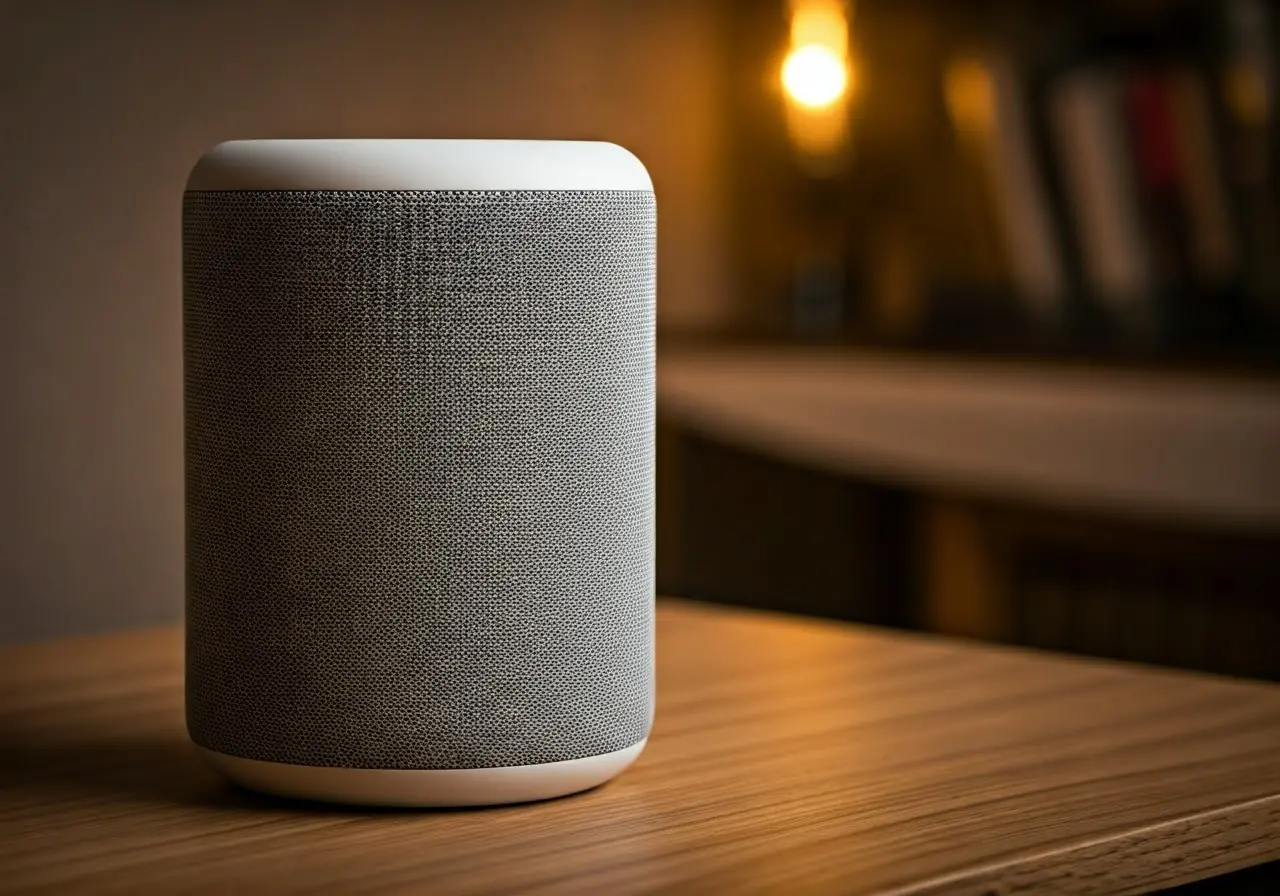
How Does Voice Control Work with Smart Devices?
Imagine walking into a room and simply speaking commands to turn on lights, play music, or even brew coffee. Welcome to the world of voice control with smart devices! In this guide, we’ll explore exactly how these systems understand and execute your spoken commands. Let’s unravel the magic behind voice-controlled smart technology.
Understanding Voice Recognition Technology
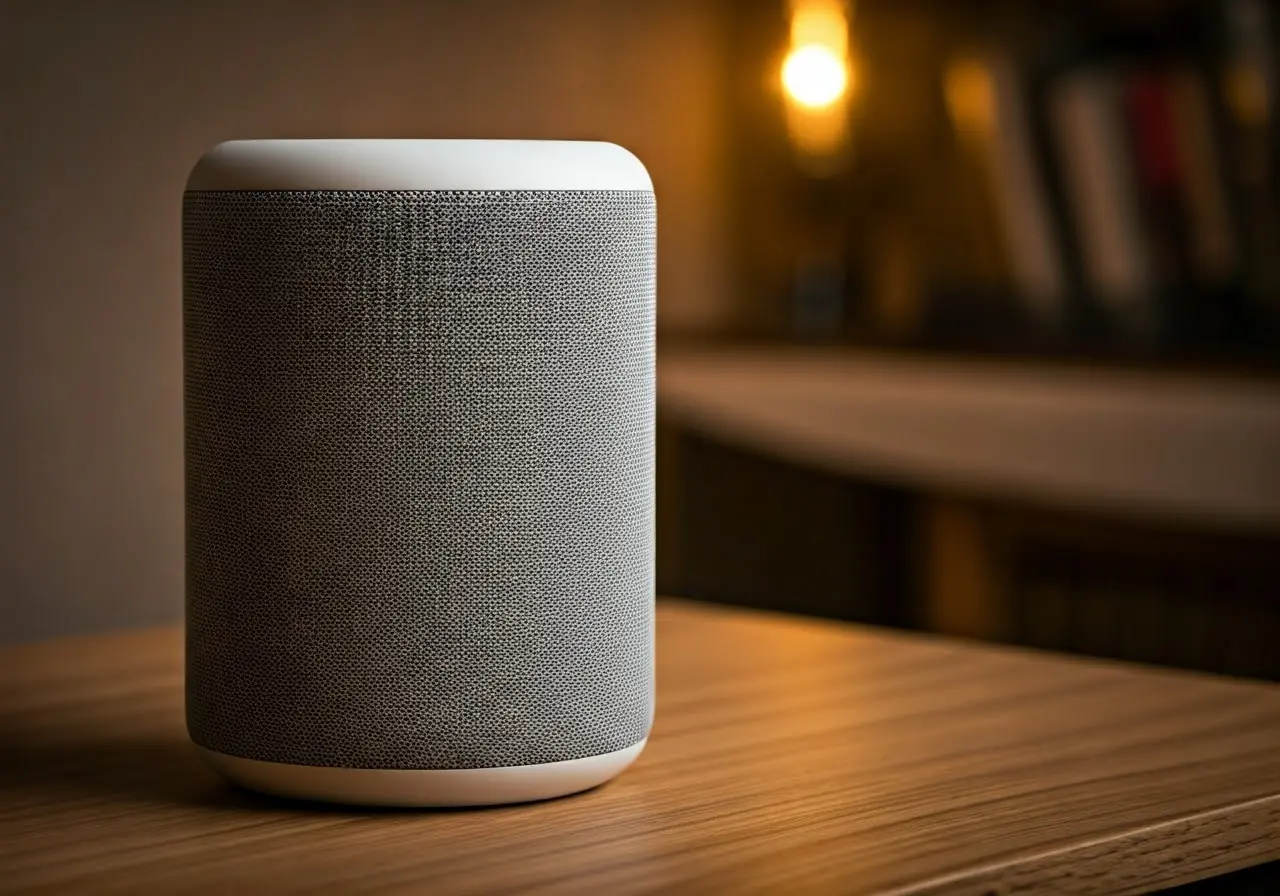
Voice recognition technology is at the core of how smart devices interpret spoken commands. This process begins with microphones capturing audio input from the user’s voice, recording the speech patterns and tones. Advanced algorithms then convert these patterns into digital data that represents words or phrases. The success of voice recognition relies heavily on the quality of this first step, which requires precise audio processing to differentiate between the distinct nuances of human speech.
Modern voice recognition systems utilize sophisticated machine learning models to improve over time. These models train using vast databases of voice samples to understand and adapt to a wide variety of accents and languages. As noted by Thomas Logan, such systems also consider how accessibility plays a critical role in the design of effective voice-controlled interfaces, particularly for individuals who are blind or visually impaired.
The Role of Natural Language Processing (NLP)
Once the voice recognition system identifies the words, Natural Language Processing (NLP) takes over to interpret the meaning behind these words. NLP deals not only with understanding vocabulary and grammar but also with deciphering context, intent, and sentiment. This is crucial for executing nuanced commands like ‘turn the lights brighter’ or ‘play my evening jazz playlist.’ Through such comprehension, smart devices can respond accurately to complex instructions.
NLP’s effectiveness is further enhanced by integrating context-aware computing, which adds an additional layer of intelligence. By remembering past interactions and preferences, NLP allows devices to predict and anticipate user needs. Imagine adjusting a thermostat not only based on a verbal command but also considering the time of day or the user’s typical routines. This is the bridge that connects everyday communication with artificial intelligence in smart devices.
How Smart Devices Execute Commands
After interpreting the spoken command through voice recognition and NLP, the device initiates the execution phase. This involves sending electronic signals to the appropriate modules within the device or network to perform the desired action. For instance, a command to ‘turn on the living room lights’ translates into the smart hub activating the connected smart bulbs via wireless signals like Zigbee or Z-Wave, triggering the physical action.
The efficiency of this execution is enhanced by integrating Internet of Things (IoT) technologies. IoT introduces a level of interconnectivity that allows different smart devices to communicate and cooperate seamlessly within a network. For example, setting a scene ‘movie night’ could simultaneously adjust the lighting, close blinds, and lower the thermostat, showcasing the synergy of smart technology in real-world applications.
Enhancing Accuracy and Reducing Errors
Voice control systems are continuously evolving to minimize misunderstandings and improve accuracy. Machine learning plays a key role, enabling devices to learn from previous mistakes and refine their responses. With algorithms that adapt and improve through usage, systems become more adept at understanding accented speech and recognizing patterns in language use.
Moreover, frequent updates and data training allow voice control technology to accommodate changes in user behavior and vernacular. By leveraging real-time data and user feedback, developers fine-tune these algorithms, as detailed by Graham McLaughlin, to ensure robust performance under diverse conditions.
Integrating Voice Control in Daily Life
In the contemporary smart home, voice control serves as a gateway to hands-free living. From managing daily routines to enhancing entertainment experiences, the integration of voice assistants like Alexa or Josh.ai is transforming everyday interactions. Devices like smart speakers have become household staples, acting as central hubs that control everything from smart TVs to connected kitchen appliances.
The ability to manage home systems with simple voice commands significantly increases accessibility, particularly for individuals with mobility or vision impairments. Voice control empowers users with independence and comfort, aligning technology with the goal of creating more inclusive living environments. By exploring a history of smart home automation, it becomes clear how far we’ve come in realizing a responsive, convenient lifestyle.
Embracing the Future of Voice-Controlled Technology
Voice control with smart devices has revolutionized the way we interact with technology, making it more intuitive and accessible. By converting spoken language into digital commands, smart devices seamlessly integrate into our daily lives, enhancing convenience and efficiency. As technology advances, the sophistication and capabilities of voice control continue to expand, promising an exciting future for smart home innovation.